Fangren
Biology
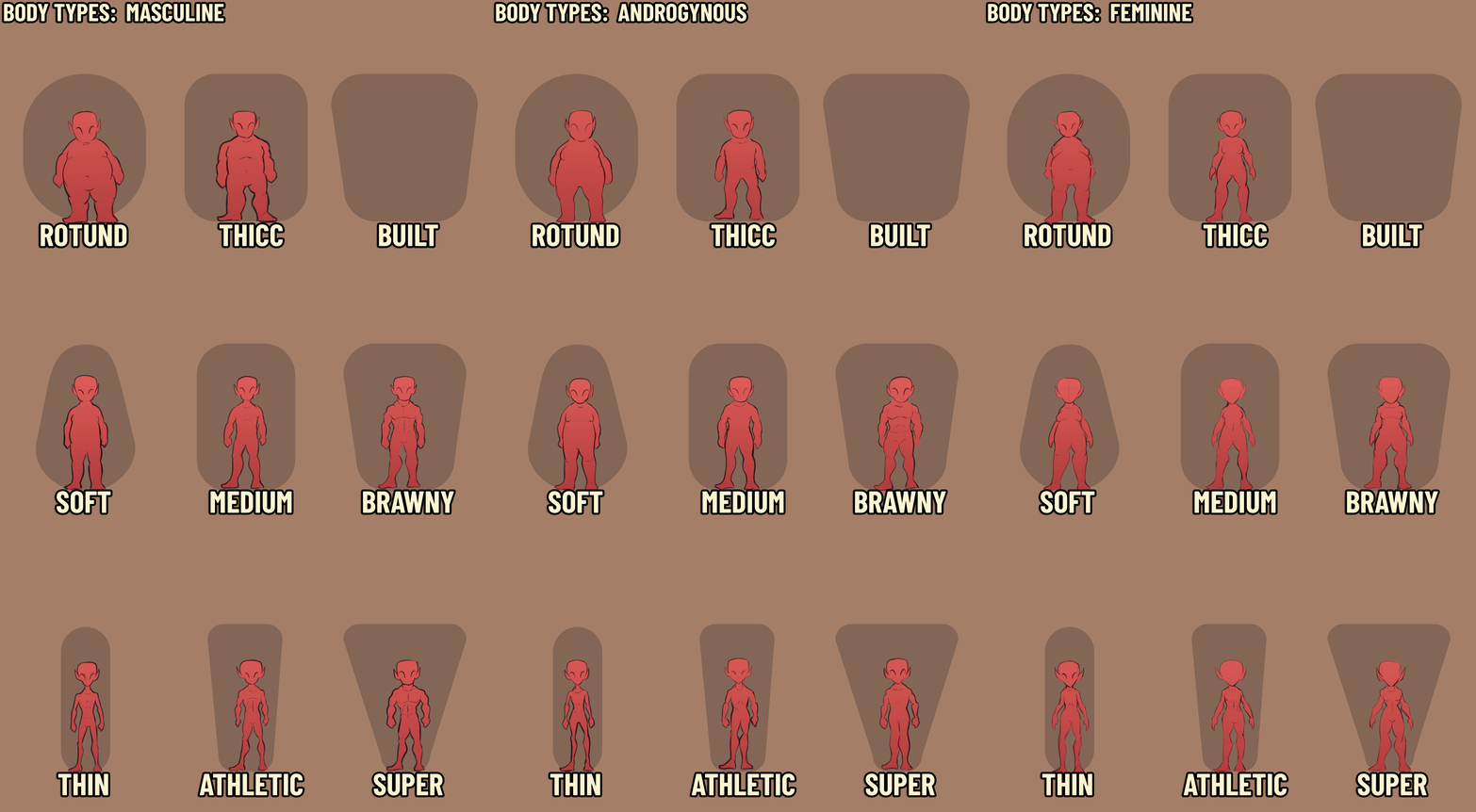
Stature and Build
Molded by the challenges of the diverse ecosystems of their homeland in the deep forest, the Fangren have evolved to harness their body’s potential for environmental adaptation.
Most Fangren are between 4′ and 5′ tall (~122 – 152cm)
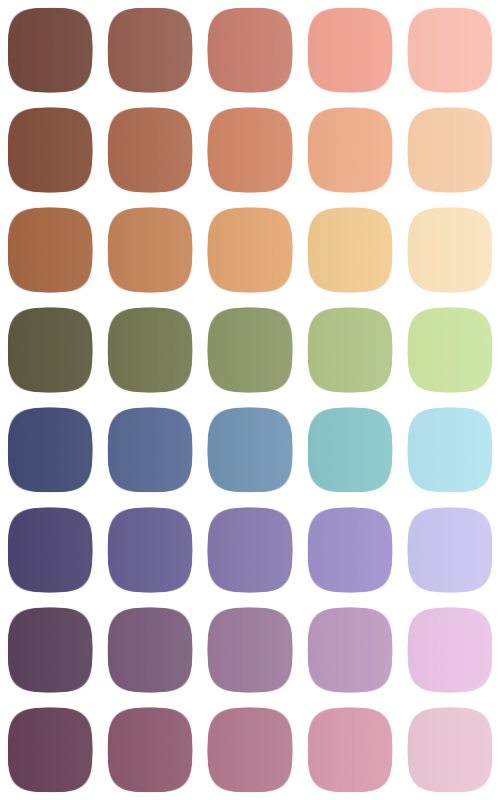
Skin & Complexions
While they are very different from their Primal Sylvan ancestors, the Fangren have never lost their deep connection to those natural, auric energies. Similar to the Faekin, this has allowed them to have one of the most diverse skin complexion spectrums. However, they have evolved to be more muted or neutral versions of these colors, preserving their survival through camouflage without sacrificing their expressive nature.
Almer
Occarine
Princepruce
Greenwillow
Wispwood
Viperbark
Viorchid
Pichi
Crittershift
For ages and ages, all of the Sylvan people have cultivated a native ability to alter their bodies, but none so bold and dramatic as the Fangren. Instead of simply altering the colors and markings of their bodies, Fangren often take on the properties of creatures native to their home environments. This is most often done to take on the characteristics of a beloved or respected animal, but the properties of plants and interesting natural phenomena inspire the Fangren people, as well as ones that just make them feel really cool.
Hair
Similar to their complexions, Fangren hair comes in all colors of the rainbow, but in more neutral and muted tones. Likewise, they may have any potential hair type and texture, making it impossible to categorize any common Fangren hair type.
Eyes
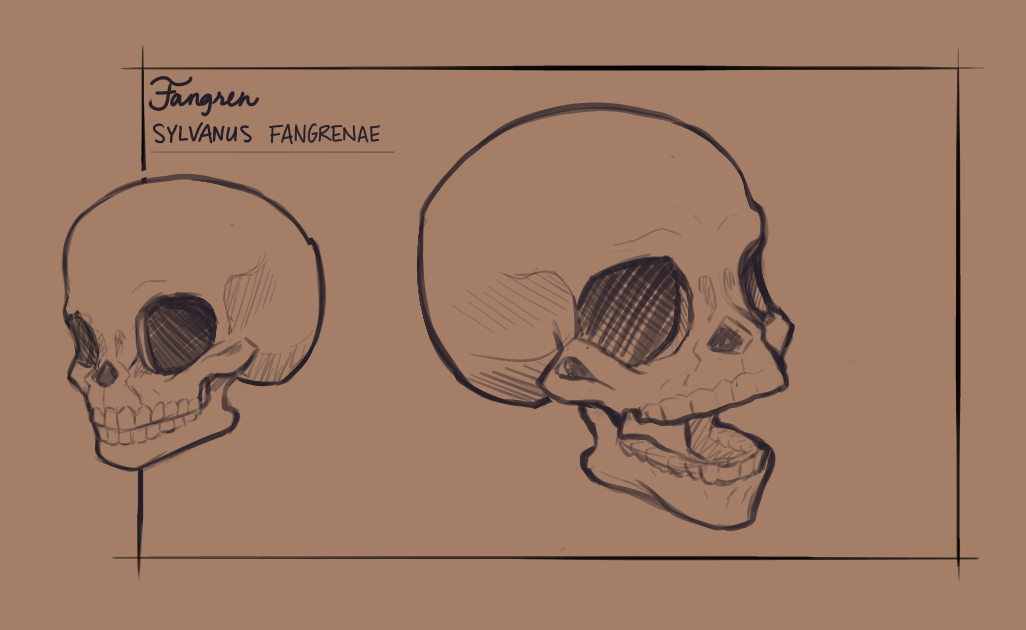
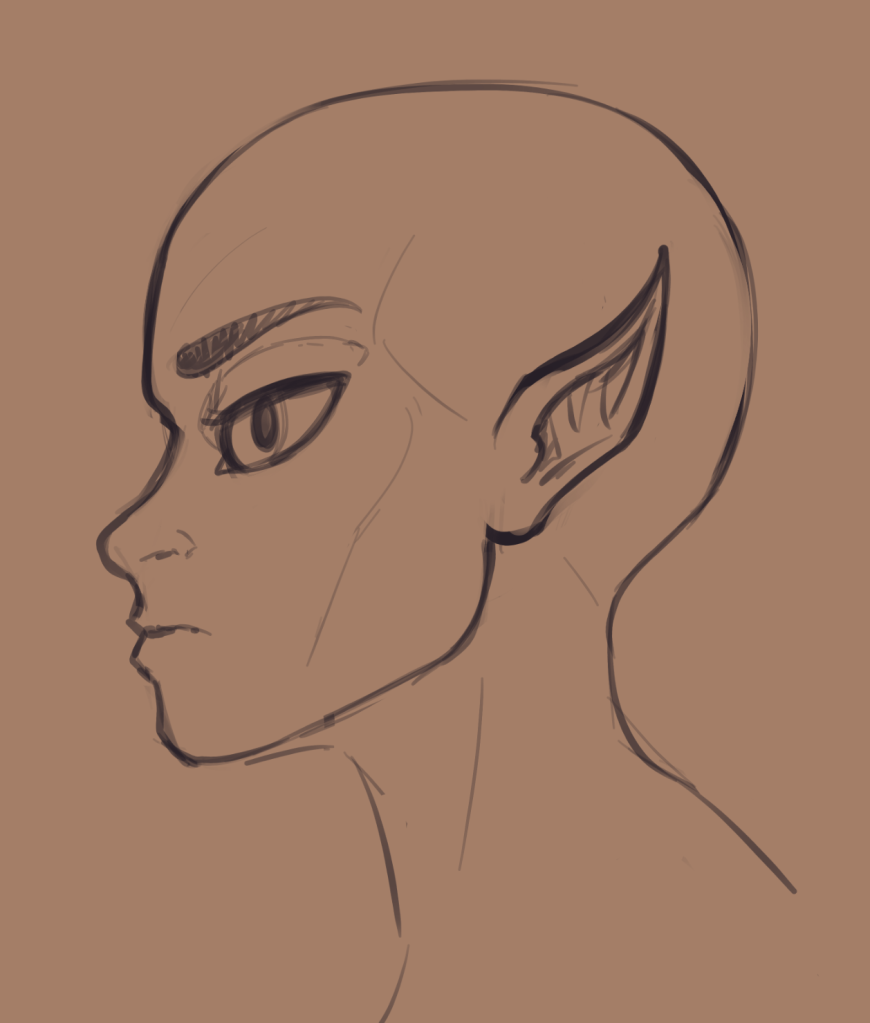
Like most Sylvan people, Fangren’s eyes are typically large and exaggerated in their small craniums, commonly with a pointed look, accentuated on the outer corners.
Fangren eye colors are light, bright and saturated, and shine vividly in the sun. Some Fangren may have deeper eye colors, but these are more specific to certain heritage groups.
Ears
Fangren have elongated, pointed ears that curve upward at a sharp angle, usually close to the head. The size of a Fangren’s ears is usually influenced by their heritage.
Noses
Fangren commonly have small, pointed noses that resemble those of other small woodland creatures, but other shapes are not unseen. Fangren are often known to have fairly expressive noses, contorting when smelling or making certain facial expressions.
Reproduction
Traditional Reproduction
The Beanut Lands does not have half-species for mechanical clarity, but it is possible for some inter-species relations to produce offspring. A person with mixed-species parentage may exhibit physical traits from a parent of another species. If you are interested in this level of customization for your image and story, please be sure to examine the Heritage subgroups to determine which groups your parents come from. You may also use Growth Features during character creation to adjust your mechanics to fit your narrative decisions if you are inclined.
Fangren can procreate through traditional 2-partner reproduction with any other Sylvan species. This includes Faekin and Bodren. They are unable to produce children with Tok or Varian people, and will not exemplify unique traits from those species, unless otherwise noted in a Heritage subgroup.
For inter-species parentage, the following biological rules will always apply:
Fangren+ Fangren: child will always be Fangren with a 50% chance to take either parent’s Heritage
Fangren + Faekin: child will always be Fangren
Fangren + Bodren: child will be the same species as its female parent
Sylvan Aurogenesis
In addition to traditional two-parent procreation, the people of the Sylvan supergroup (Faekin, Bodren, and Fangren) have a unique connection with the Auric nature of magic in the world. This has given their people the ability to produce offspring through the use of naturally Auric objects. To perform this ritual, known as Aurogenesis, requires at least one Sylvan parent and an appropriate Auric resource with high enough magic to complete the ritual.
For Fangren, the most accepted resources come from the rarest of magical flowers, seeds, herbs, and fungi, but may also be unique auric items from legendary-level magical creatures that are native to the Nettle Forest.
 The Beanut Lands