This page references content from the Dungeons & Dragons 5th Edition Player Handbook. We do not claim the rights to any D&D content.
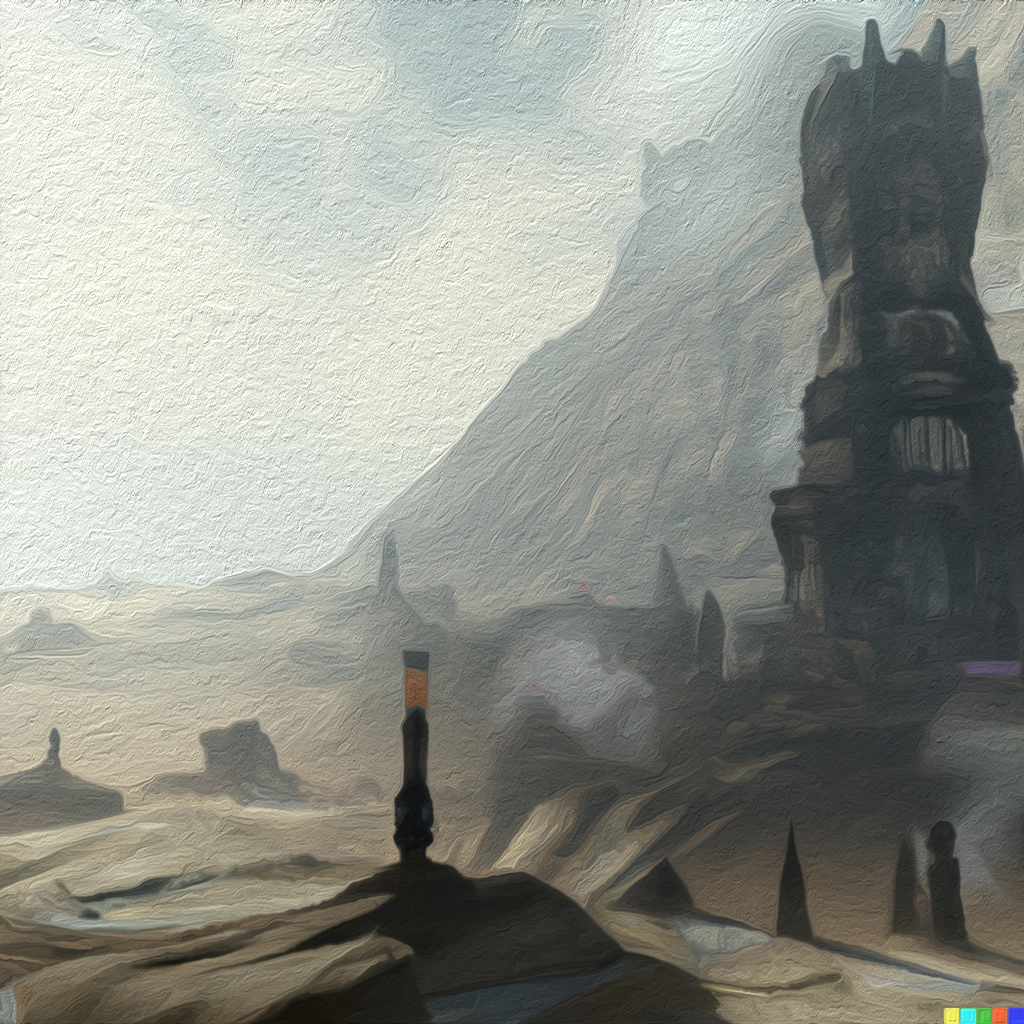
CLERIC

Clerics are intermediaries between the mortal world and the distant planes of the gods. As varied as the gods they serve, clerics strive to embody the handiwork of their deities. No ordinary priest, a cleric is imbued with divine magic.

Starting Proficiencies
Skill Proficiencies (choose two)
History

Medicine & Herbology

Religion & Culture

Profession

Spellcraft

Insight
Perception: Vibe

Persuasion
Armor Proficiencies
Light armor,
Medium armor,
Shields
Weapon Proficiencies
All simple weapons
Tool Proficiencies
<none>
Saving Throws

Wisdom

Charisma
Cleric Specializations
These are some of the special features you will experience as a Cleric.
Channel Divinity
You can channel divine energy directly from your deity, using that energy to fuel magical effects.
This ability will be influenced by your Divine Doman, and includes effects such as Turn Undead, regaining used spell slots, and more.
Spellcasting
As a conduit for divine power, you can cast cleric spells.
Starting at 2nd level, Clerics gain access to their class’ list of spells.
Divine Domain
At 1st level, you choose a domain shaped by your choice of deity and the gifts they grant you. Your choice grants you domain spells and other features when you choose it at 1st level. It also grants you additional ways to use Channel Divinity when you gain that feature at 2nd level, and additional benefits at 6th, 8th, and 17th levels. You commit to your Divine Domain for life. The seven Domains of the Beanut Lands are outlined below:
Grave Domain
Followers of the Gods of the grave uphold the sanctity of life and death, working to calm restless spirits, eliminate undead, and offer solace to the dying, utilizing their magic to postpone the inevitable but refusing to manipulate the boundaries of mortality.
Knowledge Domain
The gods of knowledge hold learning and understanding in high regard. Followers of these deities are avid learners, studying esoteric lore, collecting ancient tomes, and exploring hidden realms in search of wisdom.
Life Domain
The Life domain centers around the vital force of positive energy that sustains all living beings. Whether they are devoted to agricultural gods, sun gods, healers, or patrons of community, these Clerics focus on healing the sick, caring for the needy, and combating the forces of death and undeath.
Light Domain
The gods of light embody ideals of rebirth, truth, vigilance, and beauty, often represented by the symbol of the sun. Some emphasize the pursuit of truth and the dispelling of darkness, while others inspire artistic expression as a means of soulful improvement.
Nature Domain
The gods of nature encompass a vast array of deities, ranging from enigmatic forest gods to benevolent deities associated with specific springs and groves. These clerics may undertake quests to vanquish malevolent creatures that threaten the forests, bestow blessings upon the faithful during harvests, or bring blight upon those who incur the wrath of their gods.
Tempest Domain
The gods of the Tempest domain hold dominion over storms, the sea, and the sky. Clerics of the Tempest domain are sent by their gods to instill fear in the common folk, either as a means to steer them towards righteousness or to prompt them to offer sacrifices to appease divine wrath.
Trickery Domain
The gods of trickery embody mischief and rebellion, constantly challenging the established order among gods and mortals alike. Clerics devoted to these deities serve as disruptive forces in the world, deflating egos, mocking tyrants, redistributing wealth, freeing the oppressed, and defying empty customs.
Class Stats
Primary Attributes
Wisdom
Charisma
Spellcasting Attribute
Wisdom
Hit Die
1 d8 per cleric level
Starting HP
8 + CON Modifier
HP at Higher Levels
1d8 (or 5) + your Constitution modifier per cleric level after 1st
Starting Equipment
– a rapier, a longsword, or any simple weapon
– a diplomat’s pack or an entertainer’s pack
– a lute, or any other musical instrument
– leather armor
– a dagger
 The Beanut Lands