














HINFOLK
Cultural Liaisons
The diminutive Hinfolk survive in a world full of larger creatures by avoiding notice or, barring that, avoiding offense. They are widely accepted around the world and are often jokingly called every race’s “best friends”. Masters of trade and commerce, the Hin have seen every corner of the continent and have set up communities in any place deemed worthy of trade, even going as far as developing a shared language for all people to aid in trade deals.
They like to wear simple, comfortable, and practical clothes, favoring bright colors. Hinfolk practicality extends beyond their clothing. They’re concerned with basic needs and simple pleasures and have little use for ostentation. Even the wealthiest of Hinfolk keep their treasures locked in a chest rather than on display for all to see. They have a knack for finding the most straightforward solution to a problem, and have little patience for dithering.
Hinfolk are an affable and cheerful people. They cherish the bonds of family and friendship as well as the comforts of hearth and home, harboring few dreams of gold or glory. Even adventurers among them usually venture into the world for reasons of community, friendship, wanderlust, or curiosity. They love discovering new things, even simple things, such as an exotic food or an unfamiliar style of clothing. They are easily moved to pity and hate to see any living thing suffer. They are generous, happily sharing what they have even in lean times.
Preferred Classes
Bard

Sorcerer
Paladin

Rogue
Alignment
Most Hinfolk are lawful good. As a rule, they are good-hearted and kind, hate to see others in pain, and have no tolerance for oppression. They are also very orderly and traditional, leaning heavily on the support of their community and the comfort of their old ways.
Syntax
pronunciation
noun
plural
adjective
variants
(HINN-folk)
That Hin is strong.
There are many Hinfolk.
That is a Hin artifact.
Attributes
Base Speed
25 feet
Attribute Modifiers

+2 Dexterity

+1 Charisma
Unique Racial Features & Abilities
Lucky
flavor
When you roll a 1 on the d20 for an attack roll, ability check, or saving throw, you can reroll the die and must use the new roll.
Brave
flavor
You have advantage on saving throws against being frightened.
Nimble
flavor
You can move through the space of any creature that is of a size larger than yours.
Naturally Stealthy
flavor
You can attempt to hide even when you are obscured only by a creature that is at least one size larger than you.
PHYSICALITY
Hinfolk appear relatively harmless and so have managed to survive for centuries in the shadow of grander cultures, and on the edges of wars and political strife. Often underestimated, as they are the smallest on average of all the people of the Beanut Lands, the Hinfolk are not to be taken lightly, for many historical figures of influence wereof Hinfolk lineage.
Physical Traits
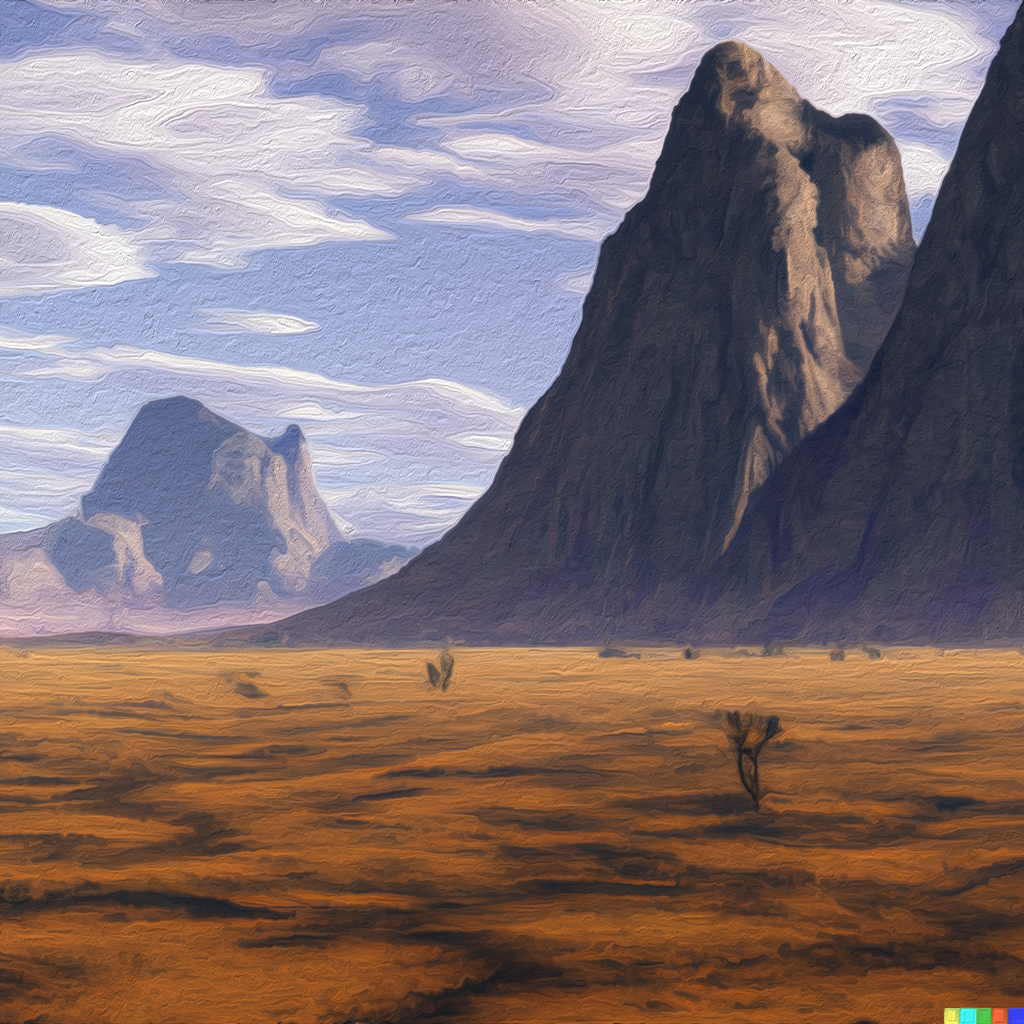
The Hinfolk native homeland is the stretch of sunny grasslands between Willonia and the Desert of Canzia, and it has greatly affected their hair and skin tones. The Hinfolk generally have darker skin tones of olive, cocoa, and onyx. Most Hinfolk are adorned with patterns and patches of freckles, birthmarks, and vitiligo, ranging from darker browns, brighter reds and oranges, and occasionally more pale tones.
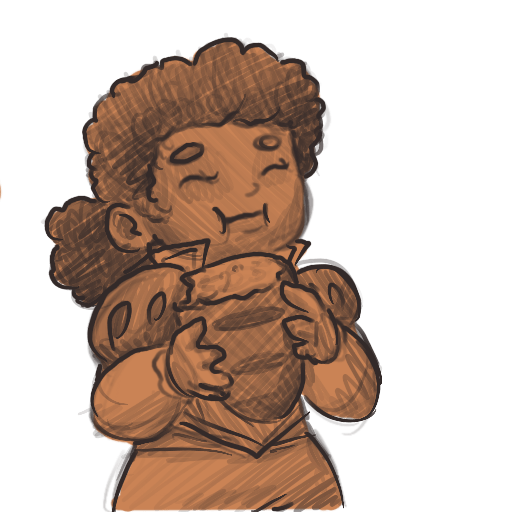
Hinfolk hair is typically thick and textured, often wavy or growing in very dense curls. It grows in colors of all natural, warmer tones and is predominantly darker. Those who have lighter hair more often develop a red or orange tones, rather than leaning towards blonde.
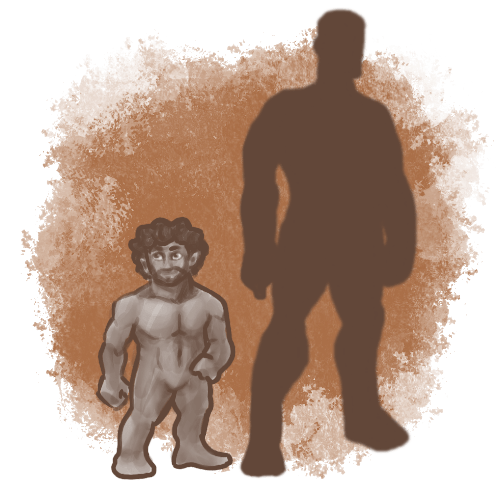
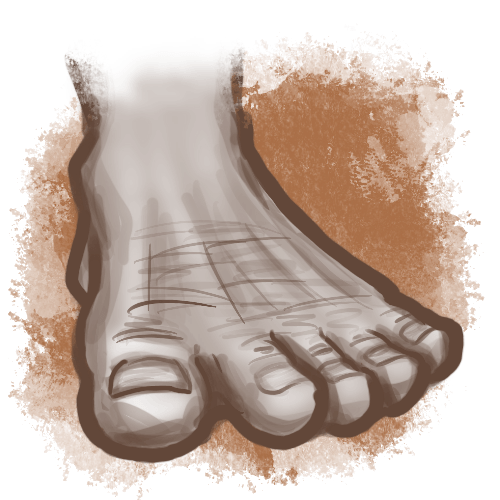
Though the Hinfolk are very tiny in stature, they still possess relatively large hands and feet in proportion to their body sizes, often even wearing the same size shoes as a smaller Colonian, who stand several feet taller – though admittedly, many Hinfolk (especially those who live in the warmer regions of the Hinlands) often forgo footwear entirely. These Hinfolk will develop thicker callouses on the soles of their feet, as well as thicker patches of hair on the tops. Those who do more road traveling, however, are less likely to be seen shoe-less, as most cultures find this tradition bizarre.
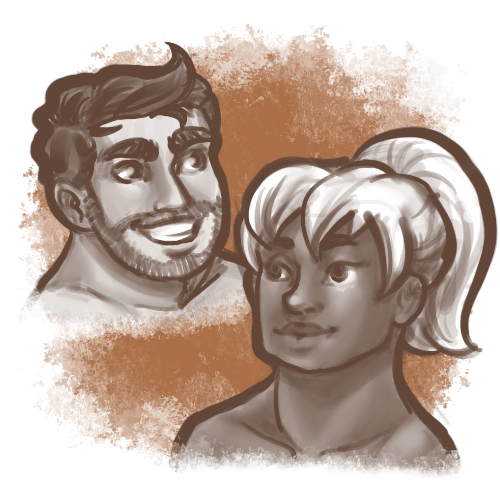
As far as other physical features go, the Hinfolk are infamous for absorbing the practices of other people in order to express themselves. Though they aren’t as biologically diverse as Colonians, the Hinfolk are known to take on many of the cultural norms of the lands they visit such as Lovalian avaari tattooing, Grimkin hair dyeing, Dawin piercing, Faekin and Fangren body modification, and even Torgali scarification. Because of their historical knack for bringing cultures together, they have such a deeply-rooted compulsion to experience these social self-expressions of people all around the world. The Hinfolk are often the most welcome to participate in sacred physical traditions, and are rarely ostracized for expressing themselves in these ways.
Stature
Size
SMALL VARIAN (Humanoid)
2′ 8″ – 3′ 4″ (81 – 102 cm)
Body Types
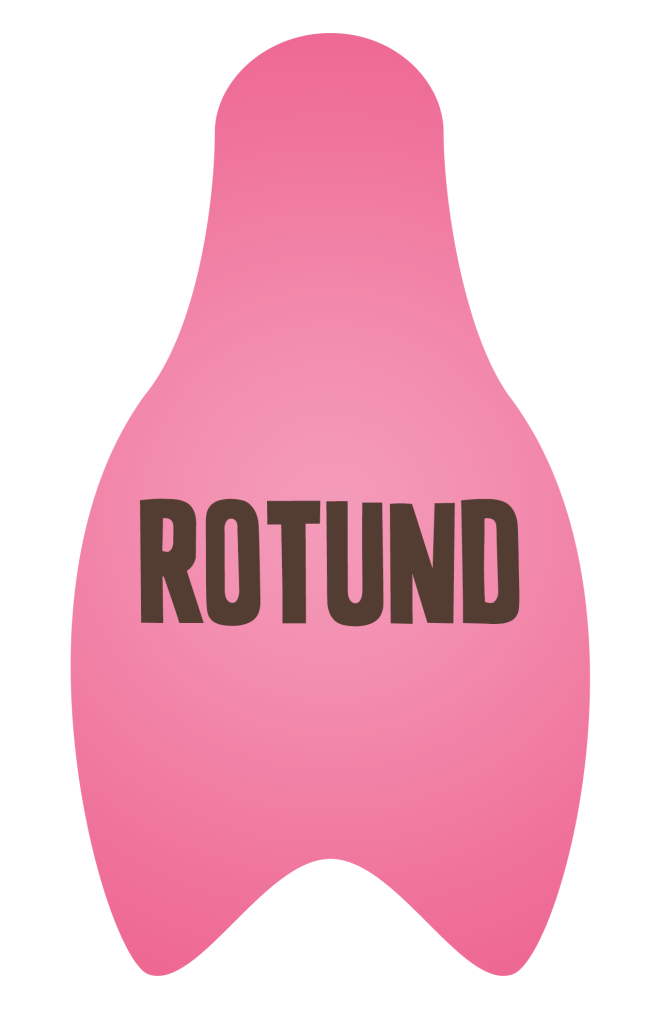
50+ lbs
(23+ kg)
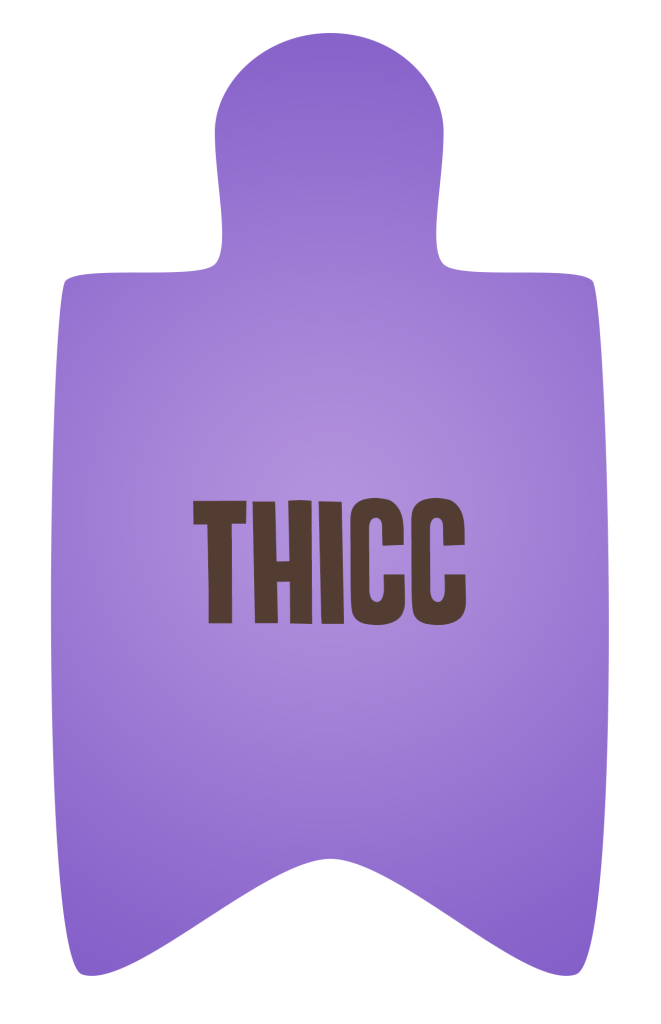
40 – 50 lbs
(18 – 23 kg)
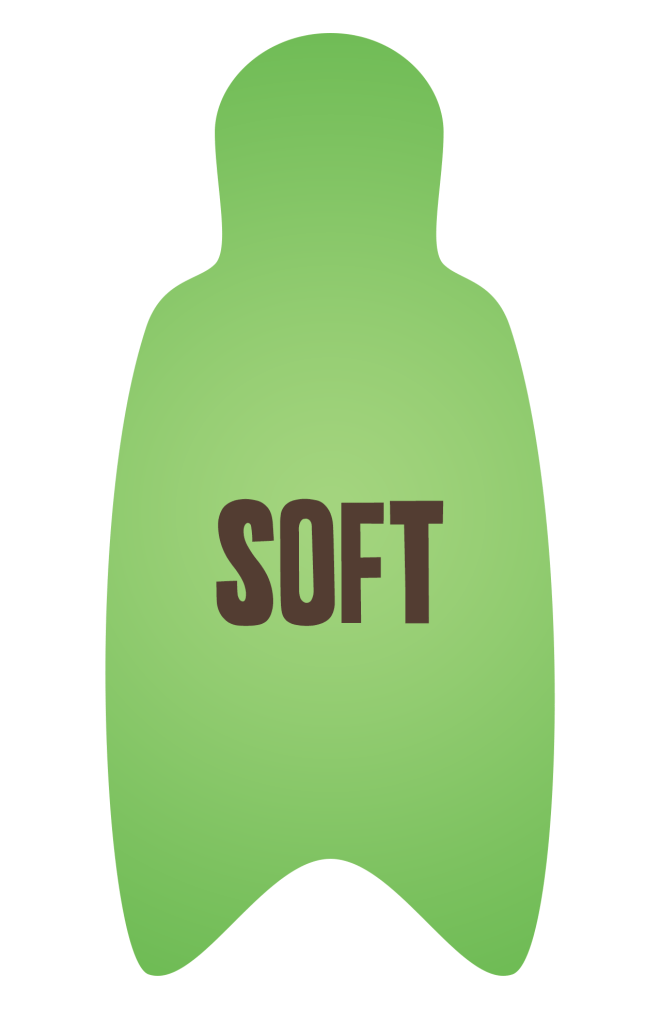
35 – 45 lbs
(16 – 20 kg)
30 – 45 lbs
(14 – 20 kg)
(unusual)

(unusual)

(unusual)
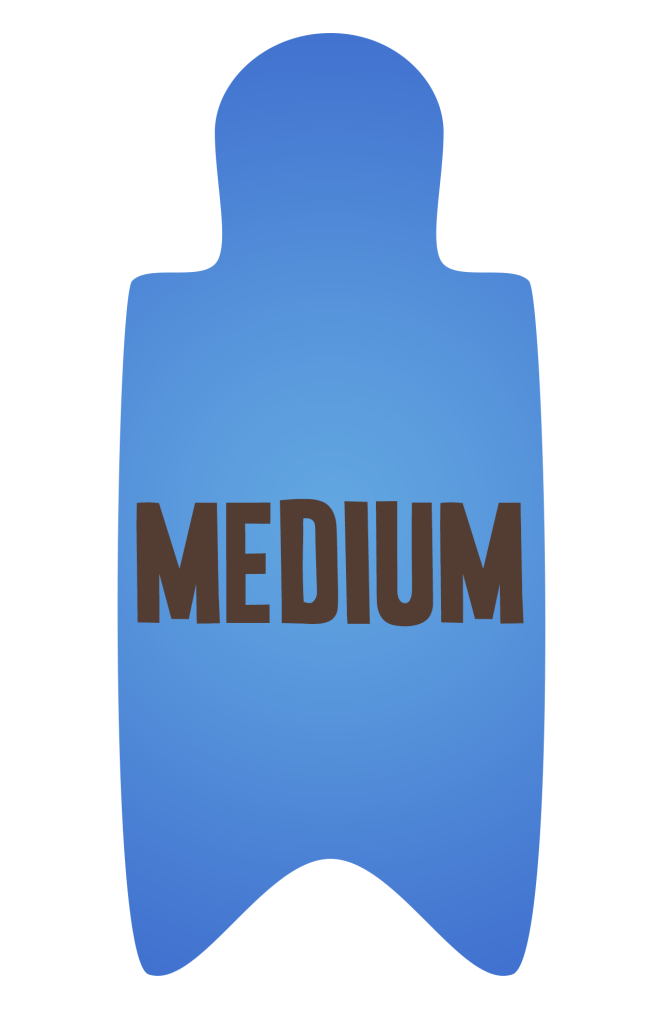
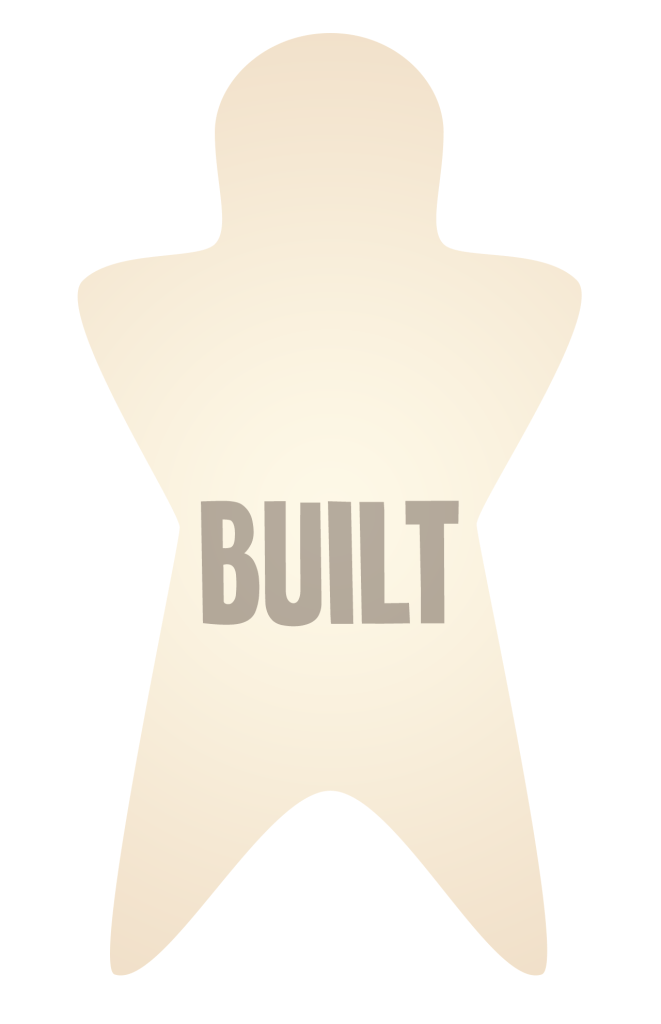
A character’s stature is not purely for roleplaying. In many instances, your height and weight can and will have mechanical implications. The character’s body type, however, is mainly for visual storytelling and narrative purposes.
Age
A Hin reaches adulthood at the age of 20 and generally lives into the middle of their second century, however the Hinfolk remain fertile for the majority of their lives and frequently sire many children over many decades. This leads to less strict delineations of generations, and families often intermingle deeply with each other. The Hinfolk have a greater sense of communal wholeness than most other people, and the concept of family often extends well beyond blood relation.
Adulthood
20 years
Lifespan
250 years
HOME LAND
The Hinlands
On the threshold between the fertile fields of Willonia to the north, and the sweltering Desert of Canzia to the south, this strip of grasslands in the central Beanut Lands is warm and sunny for most of the year, leading to a greater deal of commerce throughout the territory. Home to many grazing herds of livestock and the unusual Salt Plains in the eastern portion of the territory, the Hinlands is an important trade center for the Imperial Beanut Lands.
Historically, the Steppes was only a smaller part of the old Land of Willory, but with the mass migration of the Hinfolk many thousands of years ago into the southern grasslands where they live today, the northern regions of Old Willory now belong to Willonia: the Willory Plains and Willory Daughton (more commonly referred to as Daughton Province).
Miniopolis
The smallest region in the entire Beanut Lands, Miniopolis is essentially a separate region because of its density, and drastic cultural differences from the surrounding Hinlands. Considerably the most densely populated urban environment in the entire Beanut Lands, this city-region is essentially split between the above-ground trading hub for people of all kinds, and the underground network of Hinfolk who have lived in their subterranean homes for many ages.
Willory Steppes
As it surrounds the city of Miniopolis, many people simply refer to this region as “The Hinlands”, never distinguishing between the grasslands and the city, and usually ignoring the Poshan region entirely. This region is primarily made up of the Heavyheft Hinfolk, who prefer a mixture of travel and a quiet home life.
Poshan
More colloquially referred to as “The Salt Plains”, Poshan is the eastern-most region of the Hinlands, and is hardly populated. A few, very wealthy salt merchants practically run the economy, centered around mining and processing the natural salt deposits from the plains, which they export all around the Lands.
CULTURE GROUPS
Hardheels
The most widely seen type of Hinfolk are the Hardheels – those who love to travel, trade, and experience the world for all of its wonder.
Heavyhefts
While the Heavyhefts have much in common the Hardheels, they often only travel at certain times of the year, and many prefer to dedicate some of their lifetimes to raising families.
Hearthhearts
These Hinfolk have decided to put down roots in one place, and they rarely leave whatever home they find themselves in. Most Hearthhearts are located in Miniopolis.
Hardheels
Physical Distinctions:
Locale: Various
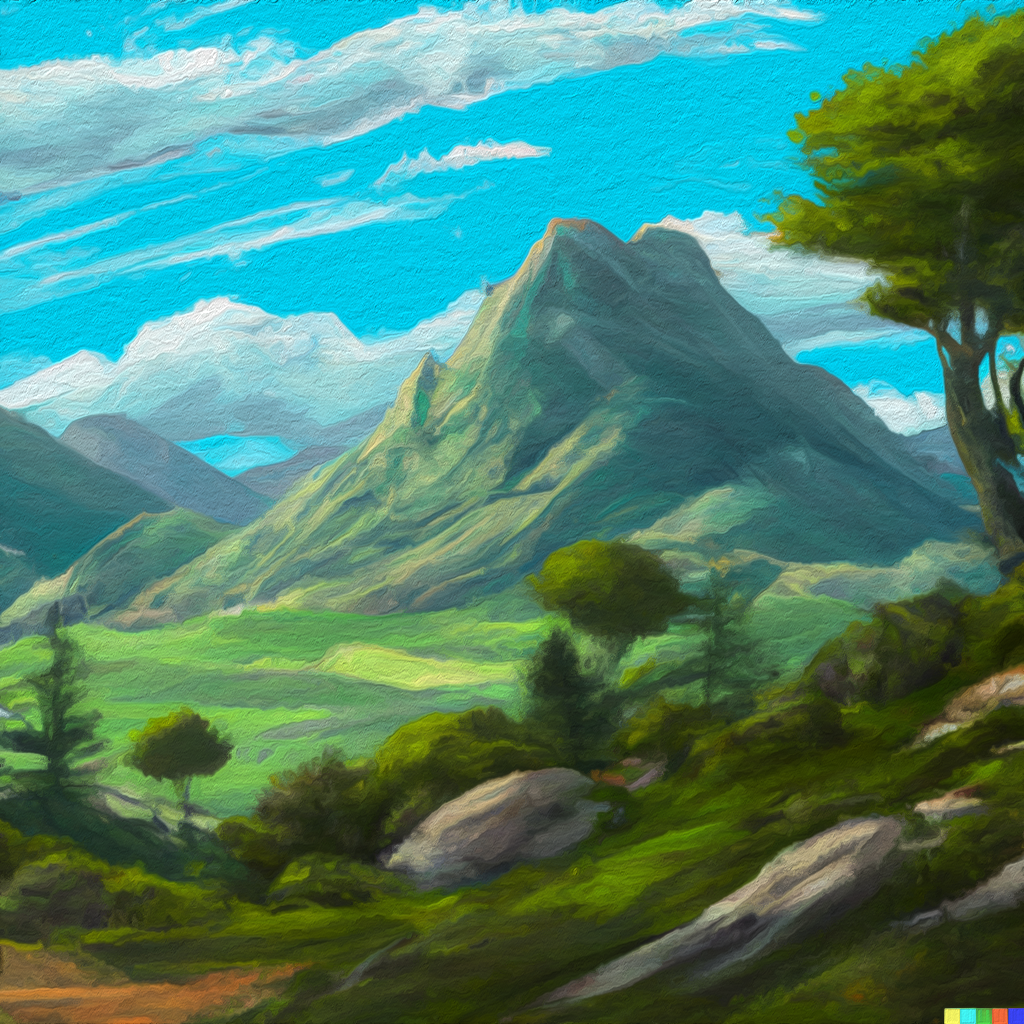
The Hardheel Hin are those that feel the ancestral wanderlust of their people the strongest, many take to the road not quite clear as to the purpose or destination, they just know that their skills and desires lead them out on the open road to meet and experience all of the wonders of the world, and to sample all the exquisite delights of foreign peoples.
Clothing and Style
Hardheel Stats
Preferred Classes
Bard
Sorcerer
Hardheel Languages
Known
Hardheels are experienced in the art of communication, and often learn two or three languages. Common is your native language. Additionally, as a Hardheel, you also begin with 2 Language Points, which you may spend upon character creation to learn or improve your knowledge in a language.
[3] Native:
Common
[2] Studied:
<none>
[1] Oral:
<none>
Learnable
Familiar:
Trader’s Cant, Sylvan, AeroSylvan, VerdiSylvan, MerSylvan
Foreign:
Grim-Tongue, Grim-Hand, Old Værian, Dawin, Tok, Loval
Exclusive:
<none>
Hardheel Unique Feature
Polyglot
Hardheels have seen and experienced many parts of this world.
You gain 2 Language Points, which you may spend upon character creation to learn or improve your knowledge in a language.
Heavyhefts
Physical Distinctions:
Locale: Willory Steppes and neighboring Lands
Much like the Hardheels, the Heavyheft Hin long for the freedom and openness of the road, but aren’t as freely floating about the world. As their name implies their people are usually caravanners, delivering good, songs, magics, and pilgrims from all corners of the world. With a much more driven purpose than the Hardheels they usually stick to regulated schedules and seasons. Some will settle down for a time to raise a family, grow a business, or accomplish some other task, but they will usually pass that endeavor on to their children before their latest year, in which they will take back to the road in some way or another.

Clothing and Style
Heavyheft Stats
Preferred Classes
Bard
Paladin
Heavyheft Languages
Known
In the less populated Hinlands, Common is the only language that you are regularly exposed to. Common is your native language.
[3] Native:
Common
[2] Studied:
<none>
[1] Oral:
<none>
Learnable
Familiar:
Trader’s Cant, Sylvan
Foreign:
Grim-Tongue, Dawin, Tok, Loval, Grim-Hand, Old Værian, AeroSylvan, VerdiSylvan, MerSylvan
Exclusive:
<none>
Heavyheft Unique Feature
Keen Read
flavor

Insight Proficiency+
Always having to read peoples intentions, you gain proficiency in the Insight skill, and may double your proficiency bonus on all Insight skill checks.
Hearthhearts
Physical Distinctions:
Locale: Miniopolis, The Hinlands
The smallest but fastest growing population of Hin are the Hearthhearts; consisting of those rare Hin that lack the characteristics wanderlust, those unfit or weary from a previous existence on the road, and those whose work just isn’t suitable for a travelling lifestyle, all these Hin are just as gregarious, hardworking, and friendly as the others but prefer the stable existence of settling down for generation.
Clothing and Style
Hearthheart Stats
Preferred Classes
Bard
Rogue
Hearthheart Languages
Known
In the Hinlands, Common is the only language that you are regularly exposed to. Common is your native language.
[3] Native:
Common
[2] Studied:
<none>
[1] Oral:
<none>
Learnable
Familiar:
Trader’s Cant
Foreign:
Grim-Tongue, Dawin, Tok, Loval, Sylvan, Grim-Hand, Old Værian, AeroSylvan, VerdiSylvan, MerSylvan
Exclusive:
<none>
Hearthheart Unique Feature
Polyglot
The Hearthhearts take up playing instruments with the family from a very young age.
You gain a proficiency in any instrument [Speak with DM], and may roll with advantage on all associated skill checks.
NAMING TRADITIONS
Hin names are very melodic and can range from short to fairly long, their family names are compound names most frequently evoking their wares of trade or traditional family mythos and values.
Traditional Feminine Names
Adelinda, Arileigh, Bellamy, Bredove, Celandine, Darula, Daffodil, Emmeline, Fernleaf, Gwendolyn, Hazelwood, Idafira, Isolde, Juniper, Kallista, Kithlienne, Larkspur, Martina, Marigold, Nettlethorn, Olive, Periwinkle, Prula, Quinella, Ribyn, Rosabelle, Sunfleur, Tansy, Violetta, Xanthea, Yarrow, Yoyola, Zefdove, Zinnia
Traditional Masculine Names
Alric, Ander, Barlim, Barras, Bartleby, Diggory, Elden, Elbin, Erwin, Faldo, Finmin, Flyn, Garret, Hadley, Ingleby, Jasper, Kelby, Korzin, Larkin, Marpos, Meriwether, Nolin, Norvon, Orson, Perrin, Quillen, Rafferty, Tavin, Ulfred, Virgil, Wildon, Weylin
Traditional Family Names
Amberkask, Arrowblaze, Bigbrace, Boulderblast, Bridgemaster, Brightbottle, Bronzevale, Commonbridge, Earthsplitter, Fastmantle, Fetterfoot, Fieldmouse, Highkite, Hillhouse, Redberry, Rosebottle, Silverheart, Silversong, Stoutfeet, Stonebraid, Swiftsteed, Thornwillow, Thistledance
 The Beanut Lands