















COLONIAN
Pioneers of Industry and Exploration
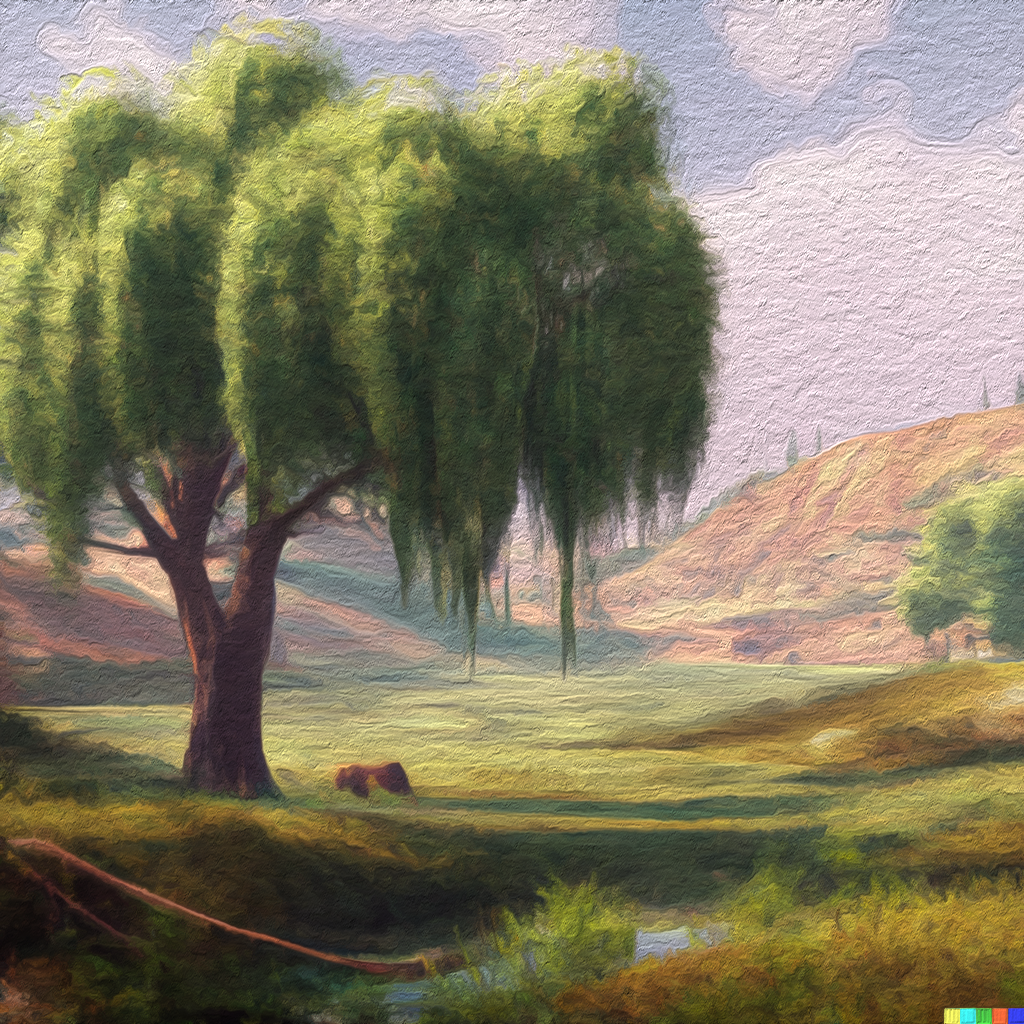
Arriving in the Beanut Lands with a fearless bravado that is scarcely seen in other races, the Colonians are a force to be reckoned with; their ambition, adaptability, and virility have led them to excel wherever they settle. Where other races have traditionally connected with the land and made the best of what their environments provided, Colonians instead look to the potential and push the boundaries of what is possible. Their innovation and determination have catapulted the expansion of Colonians into all corners of the continent, but it has also earned Colonians a reputation for being reckless and volatile. Indeed, the first great feat achieved by the Colonians upon their arrival was to hunt, tame, and drive back the deadly wild beasts of the central plains. In the span of a decade, the wild plains that had only been inhabited by the smaller Hinfolk (who did quite a lot of living inside hollowed hills) became the forefront of the agricultural industry, and still thrives as the breadbasket of the Beanut Lands to this day.
With adaptability and ambition comes widely varying tastes, morals, and customs in the many different lands where they have settled. When they settle, though, they stay: they build cities to last for the ages, and great kingdoms that can persist for long centuries. An individual Colonian might have a relatively short lifespan, but a nation or culture preserves traditions with origins far beyond the reach of any single Colonian’s memory. They live fully in the present—making them well suited to the adventuring life—but also plan for the future, striving to leave a lasting legacy. Individually and as a group, they are adaptable opportunists, and they stay alert to changing political and social dynamics.
Colonians who seek adventure are the most daring and ambitious members of a daring and ambitious race. They seek to earn glory in the eyes of their fellows by amassing power, wealth, and fame. More than other people, Colonians champion causes rather than territories or groups.
Preferred Classes
Fighter
Paladin

Cleric

Barbarian
Alignment
Colonians tend toward no particular Alignment. The best and the worst are found among them and they can be found at all extremes of the alignment chart.
Syntax
pronunciation
noun
plural
adjective
variants
(kə-LOW-nee-en)
That Colonian is strong.
There are many Colonians.
That is a Colonian artifact.
Willonian, Colonizer
Racial Attributes, Features & Abilities
Attributes
Base Speed
30 feet
Attribute Modifiers
+1 Strength

+1 Dexterity

+1 Constitution
+1 Intelligence

+1 Wisdom

+1 Charisma
Adaptable
Colonians focus in many differing fields and their skill sets are the widest of any race —”a jack of all trades yet a master of none.”
You gain proficiency in one skill of your choice, and gain one feat of your choice.

Physicality
Most scholars agree that the Colonians evolved from the ancient Varian people, who are also the ancestors of the smaller Hinfolk and Grimkin. Over many generations surviving on the stormy waters beyond the Beanut Lands, their average size grew much larger than their predecessors. However, the few consistent traits that Colonians possess are undeniably common in the other Varian races: rounded ears, warm-hued skin tones, and their hunger for enriching their social communities within their own groups, as well as learning from and influencing others.
Physical Traits
With their penchant for migration and conquest, Colonians are more physically diverse than other common races. There is no typical Colonian, they are an amalgamation of many different peoples from many regions, seasons, and walks of life, and their unique trait of adapting en masse to an environment in just a few short generations would take other races many hundreds of years.
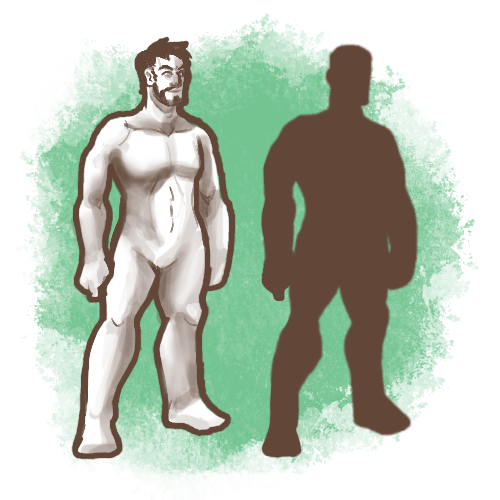
Though there are countless outliers as far as size go, the average Colonian will stand from 5 feet to a little over 6 feet tall. Male Colonians are usually a few inches taller than their female counterparts. Their body shapes and weight can vary drastically, even for one person. A single adult Colonian can weigh anywhere from 80 to 300 pounds, though most fall within the range of 125 to 250 lbs.
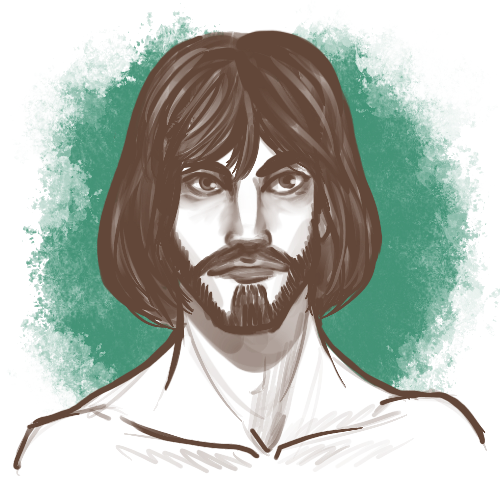
Their complexions are most often warmer hues, and range from darker tones (like warm black, velvety browns, sun-kissed reds, and deep olives) to very light ones (such as pale pinks, soft peach, and creamy yellows). The complexion of a Colonian’s skin is highly dependent on their exposure to the elements— meaning within the span of a few years a single Colonian can become much lighter or darker, their skin could toughen or soften, and they can develop freckles or pockmarks. Though they adapt to their environment quickly, their skin’s coloring generally remains similar in tone, just lighter or darker .
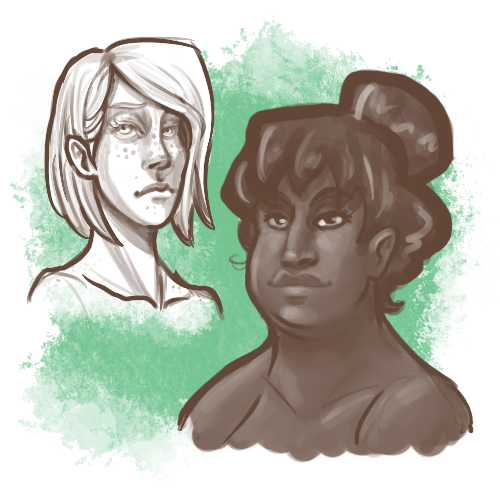
Colonian hair colors and textures are similarly diverse. While their natural coloring is warm-hued, like their skin, Colonians share a love for bodily self-expression as many other cultures of the Beanut Lands. They love dyeing and styling their hair in ways to change their appearance, as well as marking their skin with decorative artforms like tattoos. However, unlike most other peoples, these expressions are generally susceptible to the Colonians’ dramatic, society-wide trends and fads that fall in and out of favor very quickly. This makes a great deal of Colonian society very unusual for the other people of the world, as they can completely change their entire identities on a whim. Rather than sticking to traditional looks of their culture, Colonians are always attempting to innovate their fashions.
Stature
Size
MEDIUM VARIAN (Humanoid)
5′ 1″ – 6′ 6″ (155 – 198 cm)
Body Types
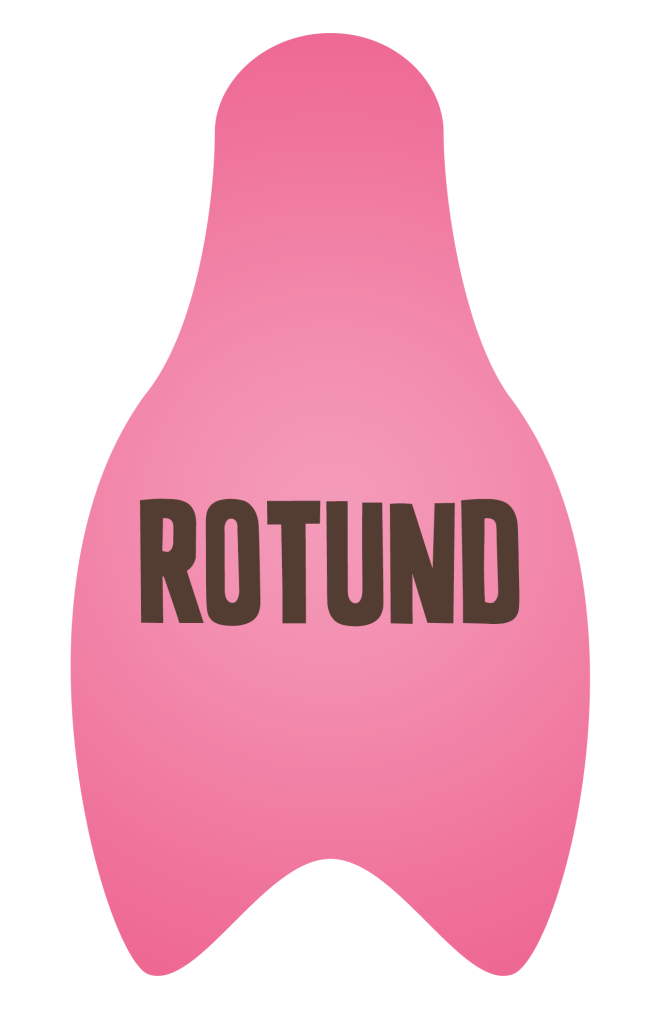
225+ lbs
(102+ kg)
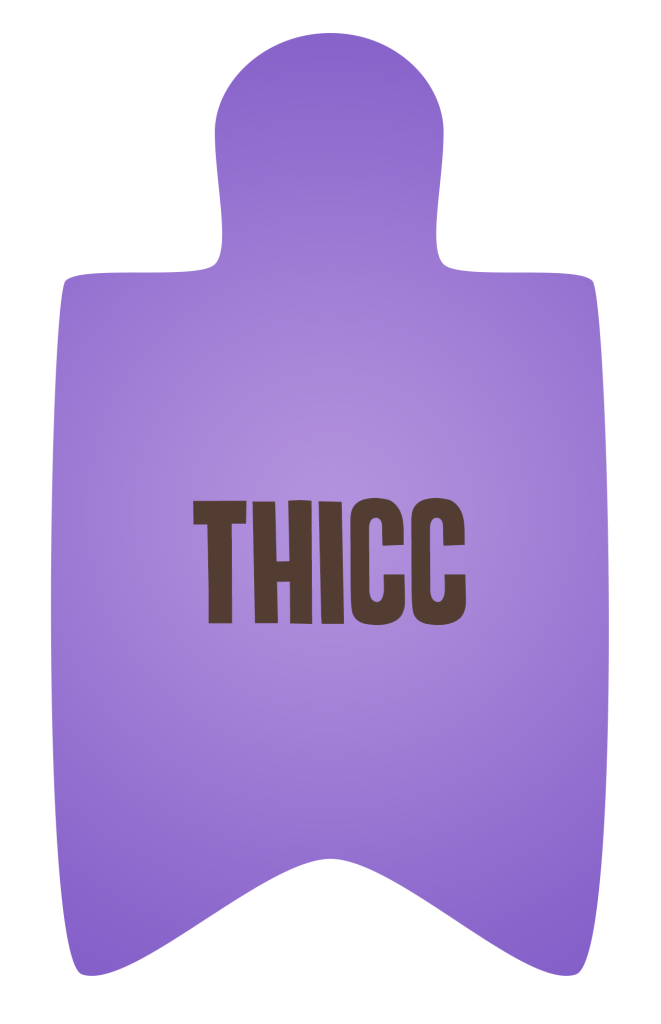
225+ lbs
(102+ kg)
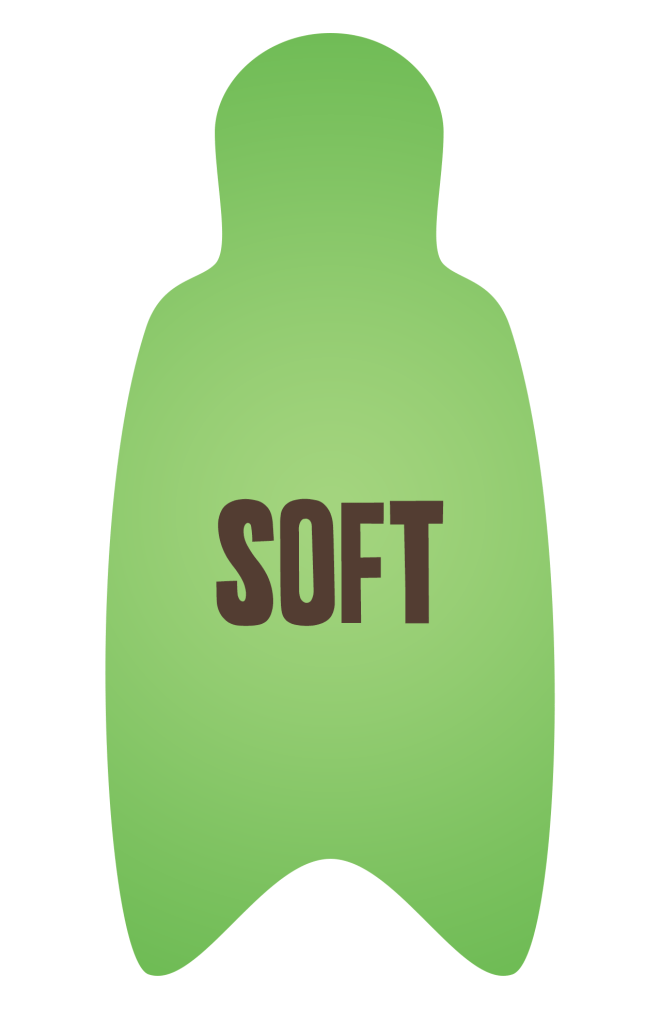
180 – 200 lbs
(82 – 91 kg)
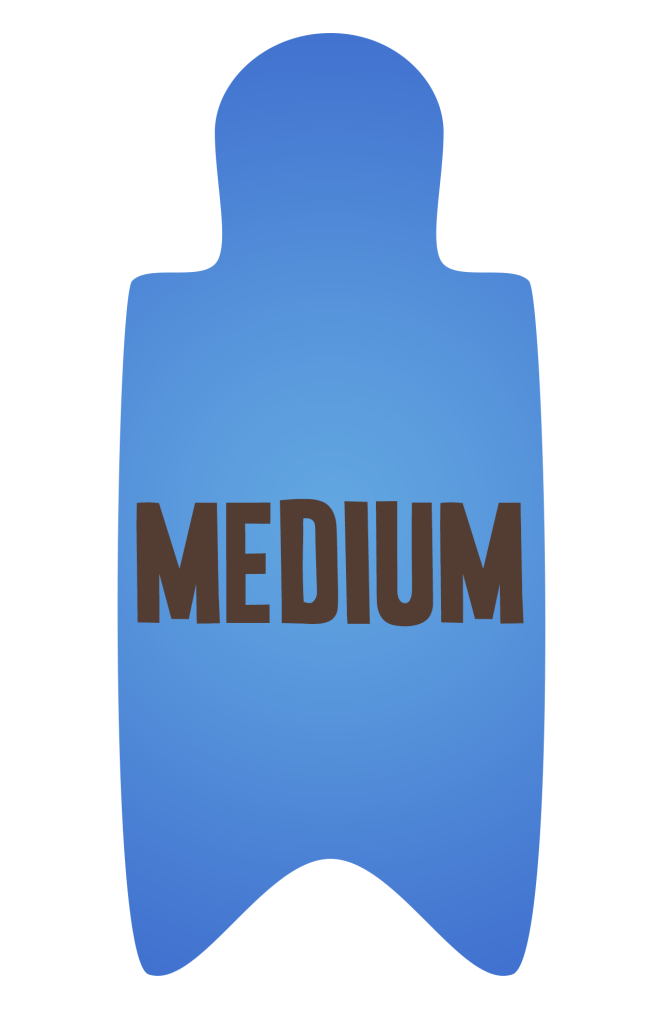
150 – 180 lbs
(68 – 82 kg)
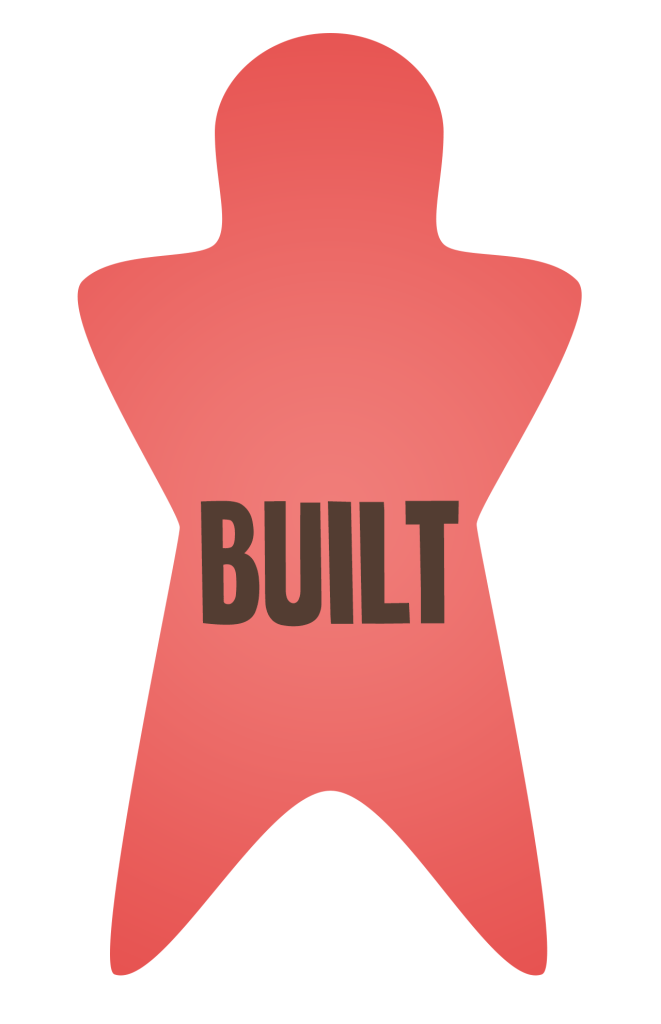
180 – 225 lbs
(82 – 102 kg)

80 – 125 lbs
(36 – 57 kg)

150 – 180 lbs
(68 – 82 kg)
A character’s stature is not purely for roleplaying. In many instances, your height and weight can and will have mechanical implications. The character’s body type, however, is mainly for visual storytelling and narrative purposes.
Age
Living hard and fast, Colonians have a reputation for being the most “efficient” at getting things done in what time they have in the Lands. Though they may not live as long as other peoples, they make their mark by establishing legacies and constructing lasting monuments that will keep them in memory for future generations.
Adulthood
16 – 22 years
Lifespan
80 years
Homeland
Willonia
Pleasant enough most of the year, Willonia experiences the best each season has to offer: Bountiful rainfall and the greenest grasslands in the Spring, warm and sunny Summers, crisp and cool Autumn winds and colorful changing of the leaves, and pure sparkling snowfields in the Winter time.
The Province of Willory Daughton
Originally known as Willory Woods by the Hinfolk centuries ago, the Imperial Highway travels into this province from the Hinlands to the south, bringing wealth from both imports and exports.
The Province of Baodethia
Known for its industrial community based in Baodet, the City of the Great Bridge, this province is the northern world’s gateway into the more modern developed Imperial lands. A great deal of trade goods make their way through this province.
The Shepfields Province
While the majority of this region is known for its high quality livestock products, Shepfields has become one of the most influential political provinces in Willonia, as this is where the first Bird Leaf Bank was established.
The Province of Willory Plains
Similar to the capitol province, Willory Plains was once the northern part of the ancestral homeland of the Hin people before they were driven south by vicious creatures. Today is it primarily populated by a peaceful Willow Folk farmers.
Ginty Nor’lands Province
While it is a smaller region in both size and population, Ginty is one of the most important regions for its large coastline, allowing sea transport of bulk goods to the more distant locations like the western regions of Port Province, Westland, and the Stormlands and Frostlands to the north.
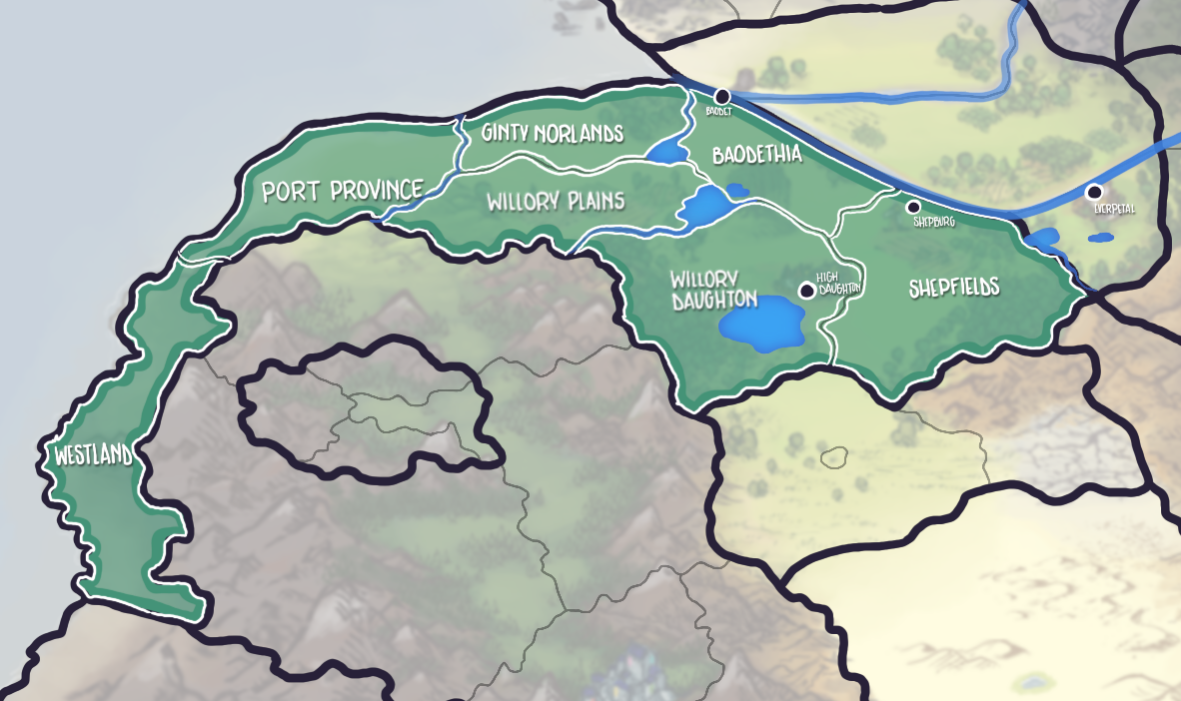
Port Province
Within this region lies the historical landing spot of the Colonians around 500 years ago. Port Province may be less modern than the other Willonian territories, but it still draws many travelers in for its cultural importance.
Westland Province
This region is remote and almost entirely split from the majority of Willonia by the Crownlands. Its people may technically fall under command of the Willonian government, but they harbor their own cultural traditions that are starkly different from the rest of society.
Culture Groups Overview
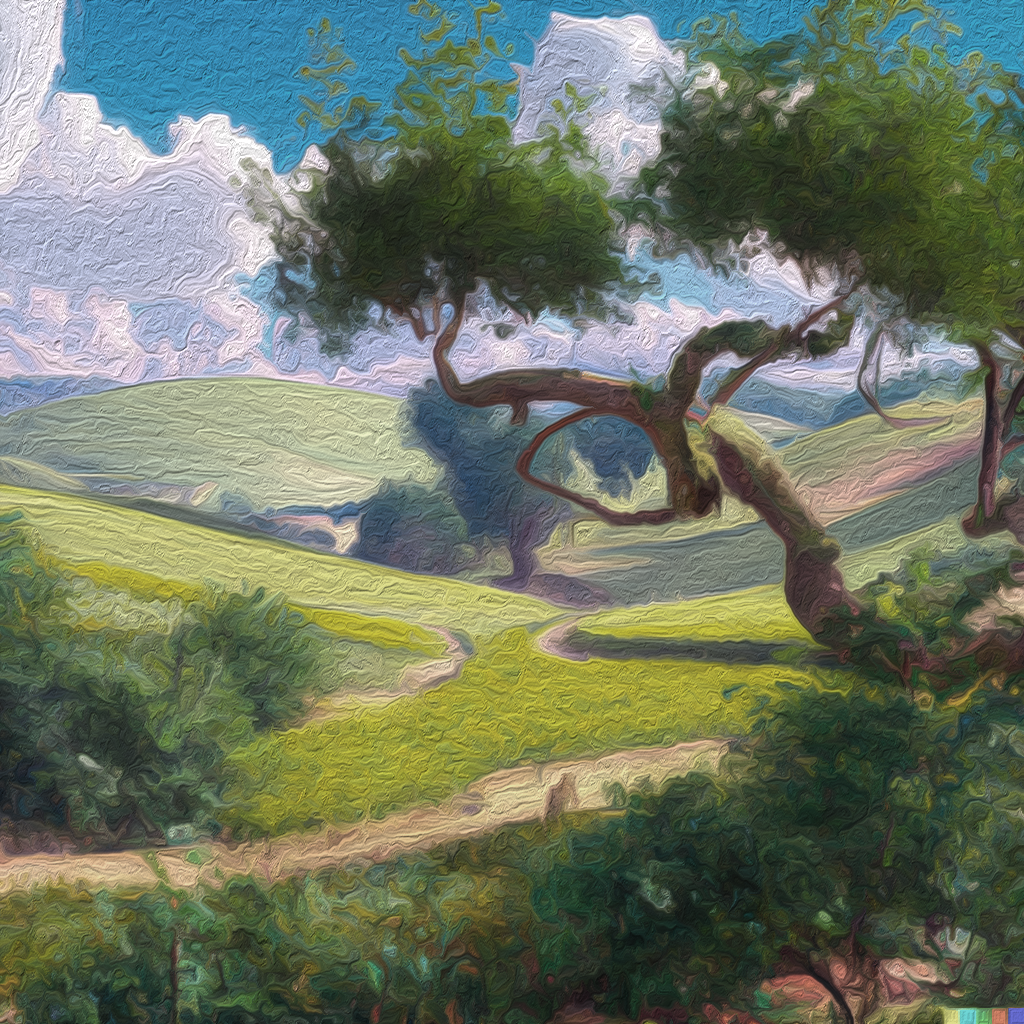
Willonians
The Willonians are those Colonians who predominantly populate Willonia itself, the greatest fertile agricultural center on the continent. Their short life span and ambitious temperament have led them to multiple population booms, so the Willonians make up one of the largest populations of people within the Beanut Lands.
Wattlers
When people think of a Willonian, they are likely to envision a Wattler. These people are the most visible and political members of Willonia, who make themselves and their values known across the world.
Willow Folk
Though these folks are less influential than the Wattlers, these people make up the majority of Willonian populace, and are the backbone of society. They provide most of the trade, labor, and services to the people of their Land, and more often than not, benefit heavily from the bounty of Willonian culture regardless of their social standing.
Newlanders
These people occupy the small strip of fertile land on the northern most coast of Willonia, historically the location the first Colonian fleets landed on their rediscovery of the continent.
Bēnovians
Colonians adapted to the diverse cultures and ways of the Beanut Lands quicker than any other peoples, namely as the system of advancement within the societal and political spheres suits their natural ambitious culture. These people who generally consider themselves as a citizen of their current home, whether it be in the Crown City or the northern reaches of the Snowpines, are most often called Bēnovians.
Imperials
With their historical homeland neighboring the Crown Mountains, large populations have migrated to the Crownlands and Crown City of Altakai with thoughts of a better future.
Heartlanders
In the neighboring fertile lands to the east of Willonia live the community of people who live outside the formulated Imperial lands, but maintain a classic Colonian existence.
Armadians
The Armadians are comprised of the small communities, sporadic towns and villages that dot the northern and western coasts of the Willonia’s fringe territories. Much less industrialized and developed than the surrounding lands, these people lack the interregional influence and government that most other Colonians communities have adopted, but they keep stronger ties to their traditions and culture from a previously seafaring lifestyle.
Westlanders
These people live in the western extremes of the Coastal Crown Mountains, and have maintained the historical governments and traditions of the ancestral Colonians.
Discovery Islanders
These Armadians remain culturally tied to their seafaring lifestyle, significantly more tribal and bellicose than the Colonian cultures of the east.
More information on the gameplay elements of
Culture Groups can be found in the sidebar below.
Willonians
Within the first few generations of returning to the continent, Colonians began their destined reconquest of the fertile and wild heartlands of the continent. Those with enough power, influence, or wealth assembled terrifying hunting parties with the express purpose of taming the wildlife and establishing nascent communities in their name. Many of these parties would meet their ends battling the wildlife, but those that survived were made much richer in the process. With access to plentiful resources and the profitable sales of their natural plunder, these small hunting villages quickly expanded, paying for large populations and additional warriors to join in their ever rapid expansion. Similarly as swiftly, these new massively powerful landowners now found their borders abutting their adventuring companions and with no intentions to start an all out war for sole control of the area, these people, now differentiating themselves as Willonians needed to find a new path. Quickly sheer prowess and might fell to the wayside, and assuring infrastructural, commercial, or quantitative population became the new scheme. Domination of one’s opponent now came from absorbing or subsuming their lesser lands, slowly forcing them to acknowledge their inferior status.
Now the Willonians live in one of the most fertile agricultural centers on the continent, providing basic foods for populations all throughout the empire. Likewise the ever growing population of Willonia will soon have it as the most populated region of the empire, with no signs of slowing down in growth. Their short life span and ambitious temperament have led them to multiple population booms following times of turmoil or strife, Willonians deep interest in their familial dynasties, means that there is almost nothing a Willonian won’t do to ensure their family’s survival. This population and cultural influence is even strong enough to cross regional divides. Just to the east are the likewise fertile lands of the Heartlands; while outside of direct imperial jurisdiction and easily the most diverse region of the continent, the region shows a distinct influence from Willonian culture.
Physical Distinctions:
description
Wattlers
Locale: Willonia, central and southern provinces
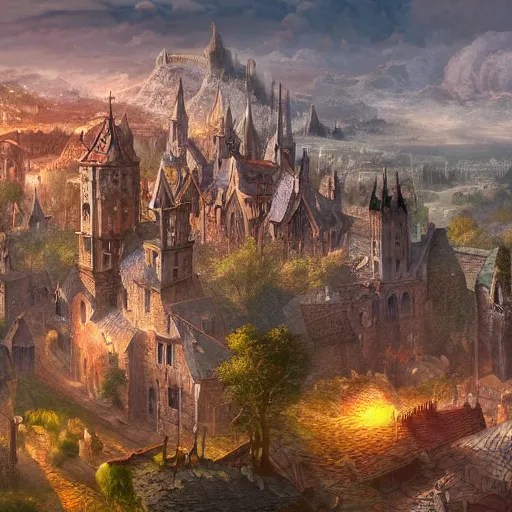
Taking their name from the great founder and first governor of Shepburg, Wattlebee Reginald Shepsheer IV, the Wattlers represent the incredibly thin slice of Willonian society that controls and dictates the future of the Willonian people as a whole. This slice of society must be able to trace their lineage back to the conquering champion landowners of the past age, this process ensures that the Wattlers themselves may control who has access to their namesake, both through legitimate and unsavory means. Wattlers are still the predominant land owners of Willonia, however they rarely occupy the entirety of their lands, renting out the majority of their urban holding to businesses and institutes, and their rural lands to the multitude of Willonian farmers and ranchers that are looking to improve their own station. Outside of their often multiple properties they own within urban centers, Wattlers typically keep one or more ranch properties centrally located to manage their expansive rented properties. Of course these ranch properties are far from simple, often including a plethora of foreign pleasures and wonders, ensuring that the Wattlers can maintain their expected levels of comfort and luxury even when outside the city.
The means and machinations of the Wattlers is unknown and foreign to the average Willonian, save for seeing their names on road indicators, public building marquees, pay stubs, and the occasional festival or wedding banner. For those of Tok and Sylvan heritage, the lives of the Wattlers is even more confusing and potentially frustrating, as many of the things they hold true are of no importance or interest to the Wattlers. Moreover, their often exclusive and secretive positions amongst government and influential institutions make it even harder to understand what their intentions truly are as they dictate the patterns of the common folk.
Clothing and Style
description
Notable Figures
Benvolio Parnassus
Governor of the Sheplands Province, Willonia. A group of thieves recently stole a treasured artifact from his home in the dead of night.
Physical Distinctions:
description
Willowfolk
Locale: Willonia, central and southern provinces
… for everything else there are the Willowfolk. In truth, Willonia would fail to function at all without the hard work and determination of the Willowfolk. While the Wattlers may have paid for the towns, roads, and aqueducts, it is the Willowfolk that harvested the materials, designed the engineering, built them, and still fervently maintain them, and continue to make them better. Behind every successful Wattler is a throng of Willowfolk families ensuring that everything is moving smoothly. While others may look upon their blind obedience to authority with doubt, the Willowfolk have flourished for generation upon generation under this system and they rarely if ever challenge the norm. This does however keep Willowfolk ambitions smaller in scale and often accomplishable in a single lifetime. Willowfolk don’t generally make plans for later generations as the nature of who may control their descendant’s fates is not always clear.
The Willowfolk mostly live in the endless tapestry of farms and facilities that stretch from town center to town center. While some do own property within the cities, and in the rarest of cases out in the farmlands, the heavy majority of Willowfolk rent their lands, maintaining and profiting off the land, for both themselves and the land owners. While there is no instituted law, Willowfolk can often find it difficult purchasing land from the Wattlers, as they seem to prefer to only sell to each other; however from time to time a Willowfolk may distinguish themselves amongst society and be proffered bids of land as reward for their service to the Willonian people everywhere.
Clothing and Style
description
Physical Distinctions:
description
Newlanders
Locale: Willonia northern Provinces
Split somewhat between two worlds, the Newlanders live in the oldest of continental Colonian towns and villages, those settled long before later generations would tame what is now called Willonia. While they yearn for a developed and lavish life, there is something in their soul that stops them from leaving the coastal regions entirely. Where they certainly differ from their Armadian brethren is in their need and desire for permanence. Like any other Willonian, Newlanders set down roots; they make grand plans for the future, and wouldn’t so easily throw everything they are and own behind the cause of a charismatic stranger. Newlander cities and settlements endlessly dot the coastline, and rarely stray any deeper into the continent; occasionally settlements may be set at major river intersections inland, but only if it likewise offers easy access to the open ocean for those moments when one just needs to escape to the waves.
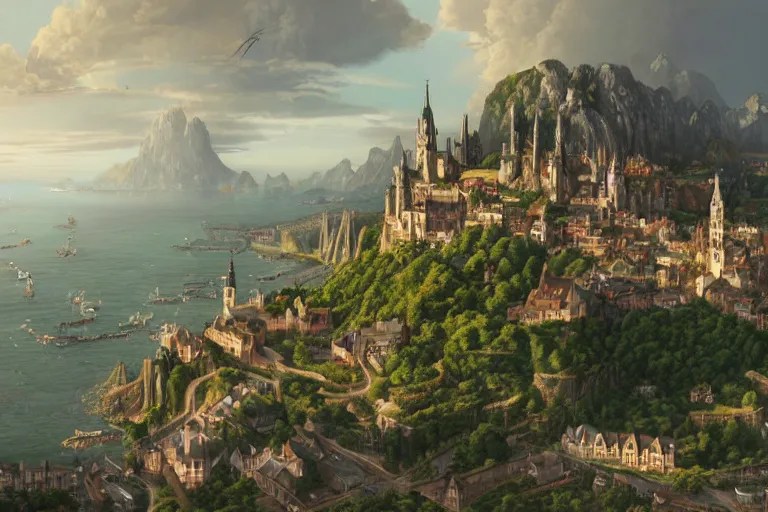
Unlike Willonian cities, which sprawl endlessly toward the horizon, Newlander cities find their variety in elevational differences. Often tucked into naturally formed gulfs, bays, or fjords, Newlander cities are an expression of diligent city planning. Seamlessly integrating the briny industries of the sea and the daunting infrastructure requirements of a thriving Colonian population, each structure is meticulously located and constructed to ensure its protection from the wear of the water but likewise strengthen the coastline it occupies. Approaching a Newlander city by water is a sight to see, as it appears ribbons of the city have been split over the coastal hills and cliffs as they plunge directly into the water.
Clothing and Style
description
Willonian Stats

Sub-groups
Wattlers
Willowfolk
Newlanders
Preferred Classes
Fighter
Paladin
Willonian Languages
Known
Willonians find themselves living amongst and doing business with people from all reaches of the world, often leading them to learn more than one language. Common is your primary language. You are also exposed to enough Old Værian to reach basic levels of communication, though you can not read or write in it. Additionally, as a Willonian, you also begin with 1 Language Point, which you may spend upon character creation to learn or improve your knowledge in a language.
[3] Native:
[2] Studied:
<none>
[1] Oral:
<none>
Learnable
Familiar:
Tok, Loval, Sylvan
Foreign:
Grim-Tongue, Grim-Hand, Trader’s Cant, AeroSylvan, VerdiSylvan, MerSylvan
Exclusive:
<none>
Willonian Unique Feature
Born with a Silver Spoon
Though not all Willonians are rich, they benefit from a collective society of capital gain and commerce, meaning Willonians’ average amount of plumage is higher than any major group of people elsewhere in the Beanut Lands.
You gain 1d3 Silver Bird Leaves.
Bēnovians
Long before the consolidation of the Beanut Queendom, Colonians have been exploring the continent and settling in with strange communities everywhere. Identifying more with the consolidated lands of the Beanut Queendom than their Colonian homelands, these people have come to be known as the Bēnovian. The largest of the Bēnovian communities is located in the Heartlands and the Crown Mountain Valley.
Physical Distinctions:
description
Imperials
Locale: Various
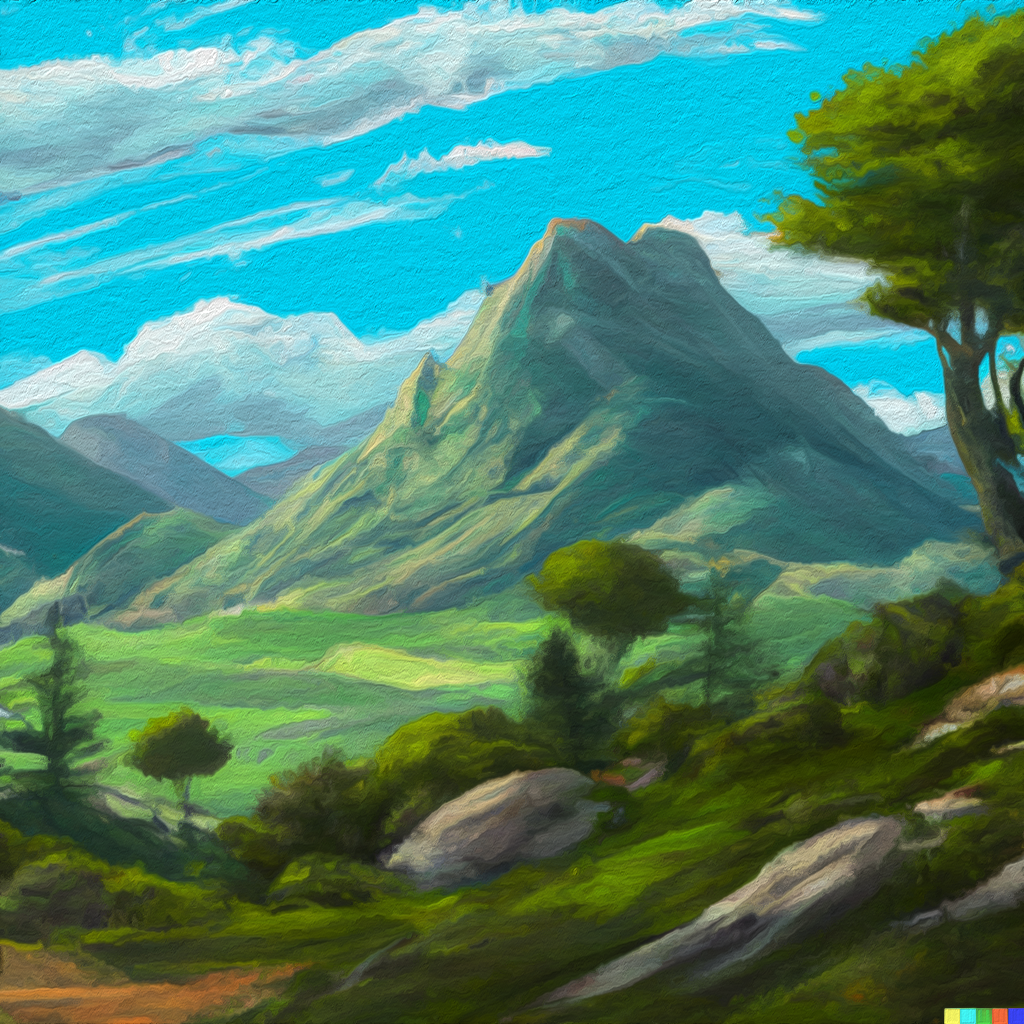
The Crown Mountain Valley has for many centuries been a mixed region; Faekin, Torgali, Lovalians, and Hin have called this region home for generations, living at times in isolated communities but more frequently in thriving mixed towns. These cities, while typically small in scale, usually contained all the amenities needed for the surrounding population, but typically only housing a small percentage. Centuries later when the Colonians arrived, the valley saw a historic influx of new citizens interested in the city center itself. Except at the northernmost regions of the Valley, where Colonians came into dominance for a time, these new people adopted the valley culture with ease. With them came a new influx of ideas, that at first were viewed as folly by locals, but slowly proved their worth and found integration amongst the old ways. With the founding of the Beanut Queendom, the region saw another historic influx of strange peoples from all reaches of the continent, once again filling the city centers with new ideas and populace.
That is not to say that Imperial Bēnovians are only present in the Crown Valley, but most Bēnovians who would be considered “Imperials” elsewhere in the world often consider themselves a citizen of the groups that they live with, rather than subscribing to an “Imperial” label.
Clothing and Style
description
Notable Figures
Jennsen “The Lady” Smoothcoat
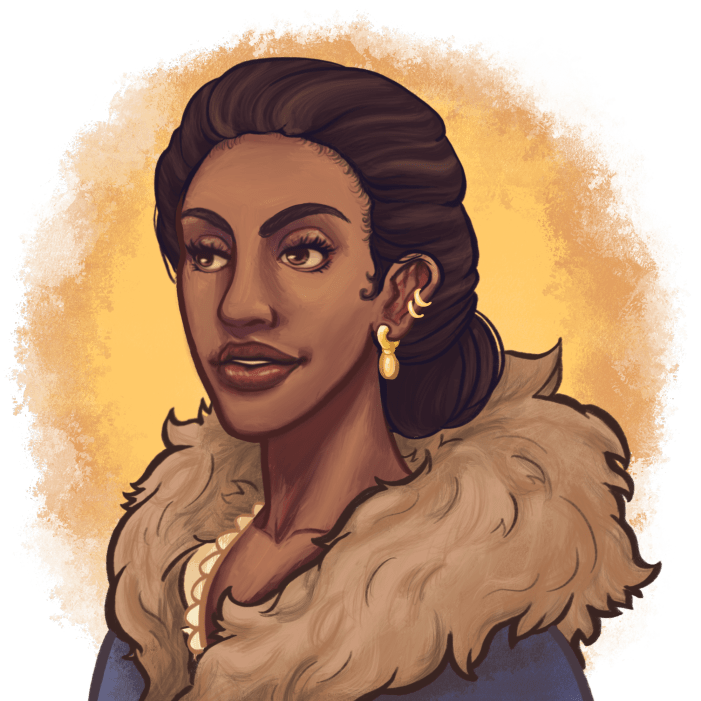
A renowned guide in the Nettle Forest; makes a living as a hunter/trapper of unique game with her husband, Oxo “The Scamp”
Physical Distinctions:
description
Heartlanders
Locale: Various
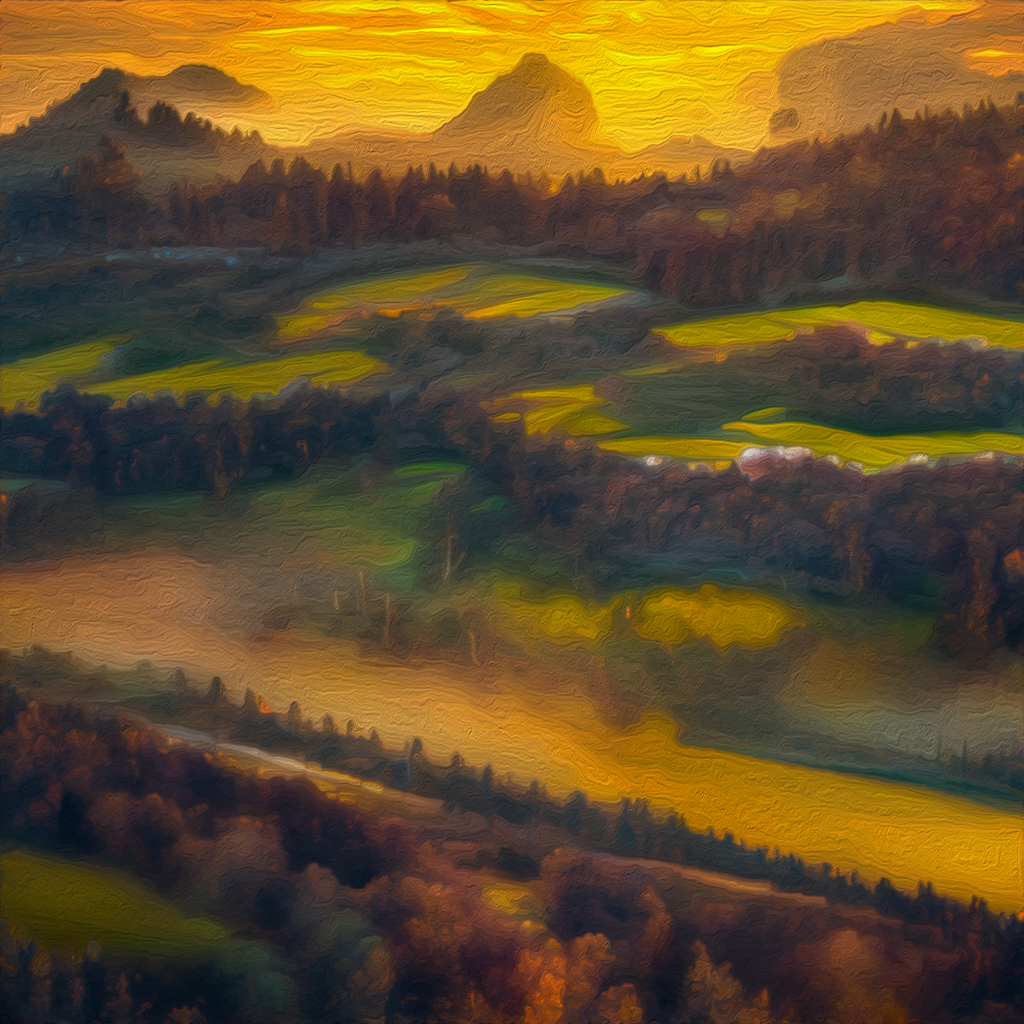
The neighboring Heartlands, in contrast to Willonia, has historically maintained smaller Sylvan-style towns and villages scattered throughout the region. As Willonia grew and developed, trade interest in the Heartlands increased. Flocks of Willonians moved to the area, filling in the many infrastructural needs they considered missing. Within a century, the new Colonian residents of the area built numerous trade shops, public services, and even constructed the Everpetal Academy and Forum near the already-established Sylvan communities. Suddenly cities began to arise, however in strange ways; almost as if they were placed perfectly between all the old Sylvan settlements, these cities quickly subsumed and dominated the smaller local communities. These new Willonian inspired cities have attracted the most ambitious and eager Sylvans. Here though, in contrast to the Crown mountains, it was the best and brightest ideas of other locals that would face the test of functioning within Willonian design. What is left today, is the most diverse and uniquely cultured people of the Queendom, the Bēnovians of the Heartlands not only dabble in the ways of Sylvans, but many truly live a life inspired by the Sylvan ways.
Clothing and Style
description
Notable Figures
Mattis Argyle
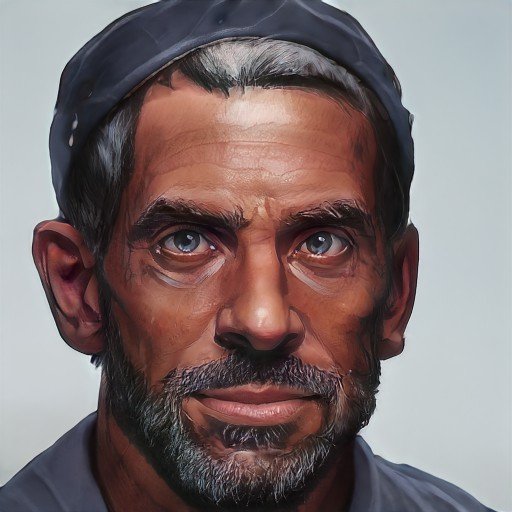
A well-respected trader in Everpetal who employed the Adventures campaign party to work as security detail to deliver a Brittle Beanut to the Sidren Reliquary.
(spoilers)
It did not go well.
The Cartwell Family
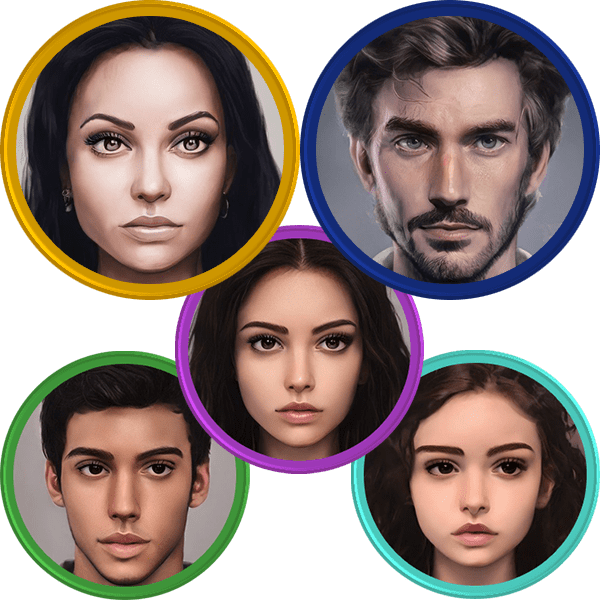
An influential and ambitious family who runs a wagon-manufacturing company in Everpetal.
Bēnovian Stats
Sub-groups
Imperials
Heartlanders
Preferred Classes
Fighter
Cleric
Bēnovian Languages
Known
Bēnovians live in some of the most diverse lands and most grow up learning at least two languages. Common is your native language. Additionally, as a Benovian, you also begin with 2 Language Points, which you may spend upon character creation to learn or improve your knowledge in a language.
[3] Native:
[2] Studied:
<none>
[1] Oral:
<none>
Learnable
Familiar:
Tok, Loval, Sylvan, Trader’s Cant
Foreign:
Grim-Tongue, Grim-Hand, Old Værian, Dawin, AeroSylvan, VerdiSylvan, MerSylvan
Exclusive:
<none>
Bēnovian Unique Feature
Born with a Silver Spoon
Though not all Willonians are rich, they benefit from a collective society of capital gain and commerce, meaning Willonians’ average amount of plumage is higher than any major group of people elsewhere in the Beanut Lands.
You gain 1d3 Silver Bird Leaves.
Armadians
Still holding true to their ancestral ways, some Armadians spend up to half of their lives out on the waves; chasing adventure, hunting dangerous game, and plundering the bountiful waters for whatever they offer. The Armadians live simply and scarcely compared to their Colonian brethren, settling in small coastal towns on the westermost coasts of the Crown Mountains and the scattered islands that dot the waters surrounding. These small communities aren’t structured like the grand cities of Willonia; leaders come and go as daring adventures, destined navigators, and charismatic champions write a new history with each passing day. These communities rarely owe greater allegiances, save for those who live within the Imperial borders, and may turn from being allies to rivals with their neighbors at any moment. Raiding and trading constantly rotate as strengths fluctuate, rivalries are resolved, and destinies are achieved.
Their ambitions burn just as bright as any other Colonian, however their aspirations most often lie in conquering personal challenges and milestones; running the most profitable business or gaining the confidence of the imperial elites is a foreign desire to the Armadians; they would rather challenge themselves to sail further than any ancestor, discover an island never known before, or securing back to back Westland Awesomeness Championships. Kinship and loyalty stand as the most important qualities amongst the Armadians as frequent cooperation and collaboration are required to accomplish the daunting tasks they often set before themselves. Many Armadians consider themselves to have two families, the one you are born with and the one you sail with. This second family often starts as little more than acquaintances following a strong leader, but frequently end up as the family Armadians feel truer. Outlaws and traitors are usually marked as so, preventing their treachery spreading to any other communities; most must take refuge within Imperial borders.
Physical Distinctions:
description
Westlanders
Locale: Various
Much less industrialized and developed than the Imperial and Willonian lands, these people lack the interregional influence and government that most other Colonian communities have adopted. Westlanders have maintained the historical governments and traditions of the ancestral Colonians, significantly more tribal and bellicose than the Colonian cultures of the east. Much of the land is rugged and varies greatly in elevation, making large scale settlements difficult to establish. Most communities are small, made up of the leader’s family, any trusted advisors and any essential craftsmen. The rest of the population is generally spread out for miles across the landscape in the little pockets of pastoral and fertile farmland. These families are typically sworn to the leading family, pledging loyalty in exchange for protection and inclusion. On festivals, holidays, and events like weddings and trials, the community will gather at the leaders hall to collectively celebrate, lament, or vote.
While the Westlanders remain quite isolated from any oversight, some adaptation to Imperial ways were required; namely quelling their innate bellicose nature. To sate their habits legally, the Westlanders have developed a complex collection of war and naval games that pit cities and champions against each other on a 5 year cycle, with the ultimate victors lording their success over the others for the next half decade. As of recent, these events have driven adventurers and aspirants from all lands and cultures to try their hand at competing against the local champions. Attempts from Imperial envoys have been made to transform the event into a more global endeavor, but the Westlanders have been reluctant to relinquish control over their creation. With each passing event however, more foreigners show up to participate and spectate, and some have even gone on as far as earning honors in an event.
Clothing and Style
description
Physical Distinctions:
description
Discovery Islanders
Locale: Small islands and archipelagos off the northern and western coasts of The Beanut Lands
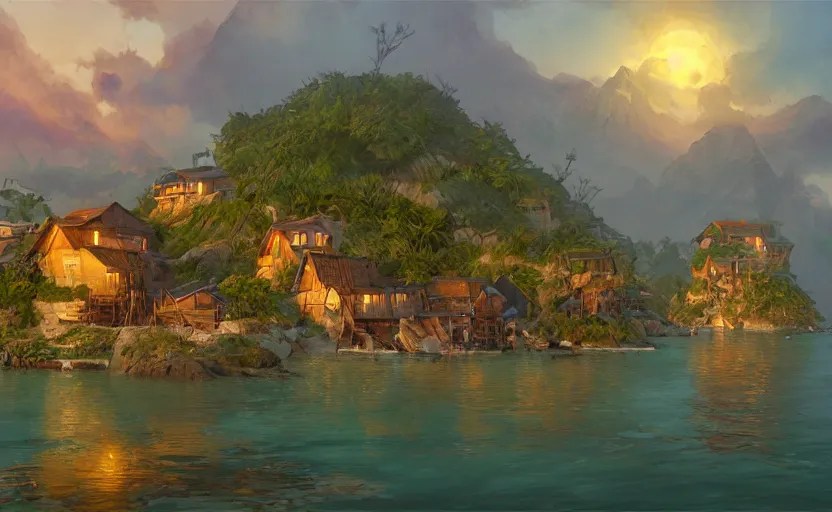
Isolated a little over a hundred miles from the main coast of the Beanutlands, the Discovery Islands stands as an incredibly important cultural landmark for the Colonians, heralding their triumphant return to their ancestral lands. Now encompassing a collection of island chains much greater than just Discovery Island itself, these people are the last bastions of the ancient Colonian ways. While the fertile and comfortable lands of the continent offer opportunities for wealth and stability; the challenging, tempestuous, and often unexpected nature of the nomadic naval lifestyle fulfill something deep within the Discovery Islanders that homesteading never could. Much like their closest relatives the Westlanders, great dynasties and kingdoms are a rarity amongst the Islanders. Discovery Islanders know life is a challenge, and they lavish at the challenge that is presented before them; death and defeat are an anticipated aspect of life and causes communities to be as flexible as possible. It is not uncommon, that in the most desperate of times, entire families or villages will pack up on boats to find a better prospect across the waves.
These isolated islands are truly independent of all Imperial influence; whether it is in fear of their vessels or genuine lack of interest, there has been no attempts by either side to establish any relationship further. This doesn’t mean the two never interact, as Imperial ports are often the most valuable locations to sell their excess or unwanted plunder in exchange for luxuries not found in the islands. Sullying these relationships can be a great risk for any captain, which keeps the Islanders from raiding the coastlines. That being said, the most daring of Discovery Island captains have been known to risk everything; to desperately raid a village, plunder a laden merchant ship, or challenge an Imperial captain who has done them wrong.
Clothing and Style
description
Armadian Stats
Sub-groups
Westlanders
Discovery Islanders
Preferred Classes
Fighter
Barbarian
Armadian Languages
Known
As an Armadian, Old Værian is your native dialect, and you are somewhat familiar with basic Common as well, though you may not understand nuanced conversations.
[3] Native:
[2] Studied:
[1] Oral:
<none>
Learnable
Familiar:
Dawin, Tok, Sylvan
Foreign:
Loval, AeroSylvan, VerdiSylvan, MerSylvan
Exclusive:
Trader’s Cant
Armadian Unique Feature
Born with Steel in Hand
flavor
You gain proficiency with any one Martial Weapon, and gain a +1 bonus on all attack rolls made with that weapon.
Naming Conventions
The Colonians use the naming conventions of their distant homelands, simple personal names with evocative family names; amongst Colonians, the Family name and associated dynasty is of much higher importance than any personal name.
Traditional Feminine Names
Allyssa, Alrevi, Amelia, Beatrice, Benutha, Chessica, Clarissa, Delilah, Evelyn, Felicity, Genevieve, Grizelda, Helena, Isadora, Josephine, Justyne, Katherine, Lucinda, Marianne, Mefla, Myla, Natalia, Ophelia, Penelope, Rosalind, Sahra, Satine, Serafina, Tabitha, Theophania, Vanessa, Waverly, Winola, Xanthe, Yvonne, Zelena
Traditional Masculine Names
Alexander, Armando, Bartholomew, Benoit, Booker, Cedric, Colyn, Dante, Dorian, Eldric, Finnegan, Gideon, Groth, Harland, Ignatius, Jann, Julius, Lancel, Leopold, Magnus, Nathaniel, Orion, Pegor, Percival, Quentin, Raphael, Rodvan, Sebastian, Shemar, Theodore, Ulric, Ulysses, Victor, Vonvuth, Wesley, Xavier, Yorick, Yves
Traditional Family Names
Accipi, Collier, Crownkeeper, D’Aurania, Ferrier, Fielder, Flintwell, Goldfoot, Greenwillow, Highhalls, Holytalon, Hildemar, Kasoon, Landest, Lifeborn, McMannus, Marblesun, Memotsk, Merchant, Neddian, Ploughton, Poraval, Porter, Shieldsworn, Silvereye, Smithson, Spiritkeeper, Tallhat, Temple, Titanhelm, Whitewalls, o’Willow, Woodflower
 The Beanut Lands