
















TORGALI
Ancestors of the Beanut Lands
Most historians agree that the Torgali are the most ancient native race to the Beanut Lands that still exists, with a possible history of coexisting with extinct civilizations so old that they have faded into obscurity. It is scientifically supported that their people are the true forebears of all Tok inhabitants of the Beanut Lands, including the Canzians, Lovalians, and Dawi.
Unlike most of the surrounding peoples, the Torgali have never ventured as a society to advance themselves beyond their ancestral practices, maintaining a predominantly tribal structured society, placing the strongest importance on family, honor and oaths, and worshiping the ancient gods of the world who live within nature itself. First among these gods are the natural embodiment of anger, found in lightning; health, hidden within the quiet pools of water that drip from the tree canopies above; and strength, represented by the unbreakable deposits of natural metals found throughout the jungle environment. This does not mean there is no social hierarchy amongst the Torgali, in fact the many tribes residing within their homelands maintain a delicate balance, teetering between a whole peace and all out civil war.
The majority of Torgali live simple undefined lives, free of expectation and law; those that do choose to bind themselves to another through an oath however, can be fanatically devoted to their patron and will devote every effort they have to display their loyalty and honor. Torgali are driven by adventure and discovery, many taking on the challenge of distant travel upon reaching adulthood.
Syntax
pronunciation
noun
plural
adjective
variants
(tor-GAHL-lee)
That Torgali is strong.
There are many Torgali.
That is a Torgali artifact.
Torg, Old Worlders
Unique Racial Features & Abilities
Darkvision
Torgali are consummate night hunters and survivalists, they quickly evolved the capability to see in the dark.
You can see in dim light within 60 feet of you as if it were bright light, and in darkness as if it were dim light. You can’t discern color in darkness, only shades of gray.
Fangs
Your fangs are natural weapons and ensure that a Torgali is never left truly unarmed.
You can use your fangs to make an unarmed bite attack. If you hit with them, you can deal piercing damage equal to 1d4 + your Strength modifier.
Menacing
Your people’s statures and reputations are infamously frightening to most people.
You gain proficiency in

Intimidation
Relentless Endurance
Torgali have learned to hang on until their last breath.
When you are reduced to 0 hit points but not killed outright, you can drop to 1 hit point instead. You can’t use this feature again until you finish a long rest.
PHYSICALITY
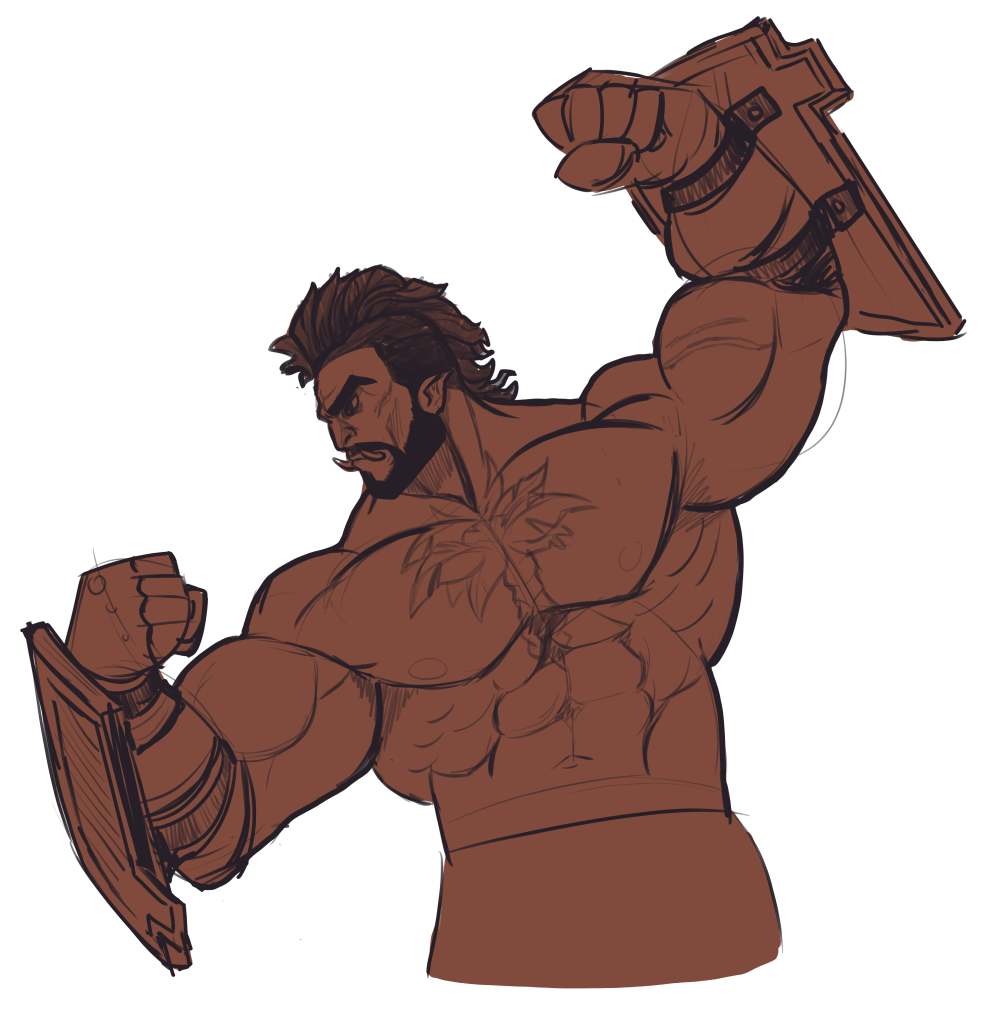
The Torgali are a robust and resilient race that have adapted to survive in the challenging environment of the Torgali Jungle. Their physical characteristics reflect their survivalist nature and their need to protect themselves from the harsh elements of their homeland.

Physical Traits
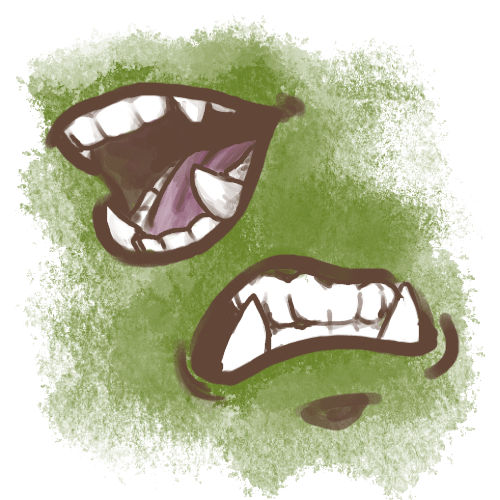
Most easily distinguishable due to their fierce fangs, which are often much more pronounced and protruding on the lower canines, the Torgali people have rough, earthen hides which can vary in coloring from greens to greys, and shades of reddish-brown. These naturally developed skin tones allow them to seamlessly blend into their home surroundings and evade detection from both predators and prey in their unforgiving homeland of the eastern jungles and tropical regions. Standing at heights of 5 to well over 6 feet and weighing in at over 200 pounds, Torgali are among the larger individuals of the empire. Their imposing stature coupled with their strength and agility make them formidable predators and warriors, well-equipped to thrive in challenging conditions.
Torgali have dark hair which is thick and often textured, though some of the less survivalist groups of people have developed straighter and smoother hair textures.
Another distinctive feature of Torgali is the epicanthal folds of their eyes, a completely unique trait from all other races. Their irises are almost always a dark color by nature, but some of the more wild individuals have developed amphibian- and reptilian-like pupils, these strange adaptations being predominantly seen in the people of the deeper jungle. The combination of these physical traits with their sharp senses has made the Torgali exceptional hunters and trackers.


Torgali are proud of their scars and regard them as tokens of pride. For the city-folk, ornamental scars are considered beautiful, and some of higher status will go through the process of tattoo-like scarification over the entirety of their bodies. The “Old World” Torgali people find this intentional practice appalling, instead only revering natural scars that are earned. And, of course, there are Torgali people in between who find any scarification to be honorable and attractive showcases of their bravery, serving as a visible display of their status within their communities.
Overall, the physical characteristics of the Torgali reflect their natural resilience and their ability to survive in a challenging environment, even for many of them who have lived outside of their ancestral homeland for generations. They are fierce warriors, skilled hunters, and masters of craftsmanship with a proud culture that values strength, community, and survival.
Stature
Size
MEDIUM TOK
5′ 0″ – 6′ 9″ (150 – 210 cm)
Body Types


220 – 275 lbs
(108 – 124 kg)


220 – 275 lbs
(100 – 108 kg)


220 – 275 lbs
(81 – 90 kg)


180 – 220 lbs
(81 – 100 kg)


180 – 220 lbs
(81 – 90 kg)


180 – 220 lbs
(81 – 90 kg)


A character’s stature is not purely for roleplaying. In many instances, your height and weight can and will have mechanical implications. The character’s body type, however, is mainly for visual storytelling and narrative purposes.
Age
Torgali mature a little faster than humans, reaching adulthood around age 14. They age noticeably faster and rarely live longer than 75 years. This shorter lifespan leads many Torgali to set off on adventure at young ages, even as young as 12.
Adulthood
12 – 16 years
Lifespan
75 years
HOME LAND
Torgalia, The Jungles of the Old World
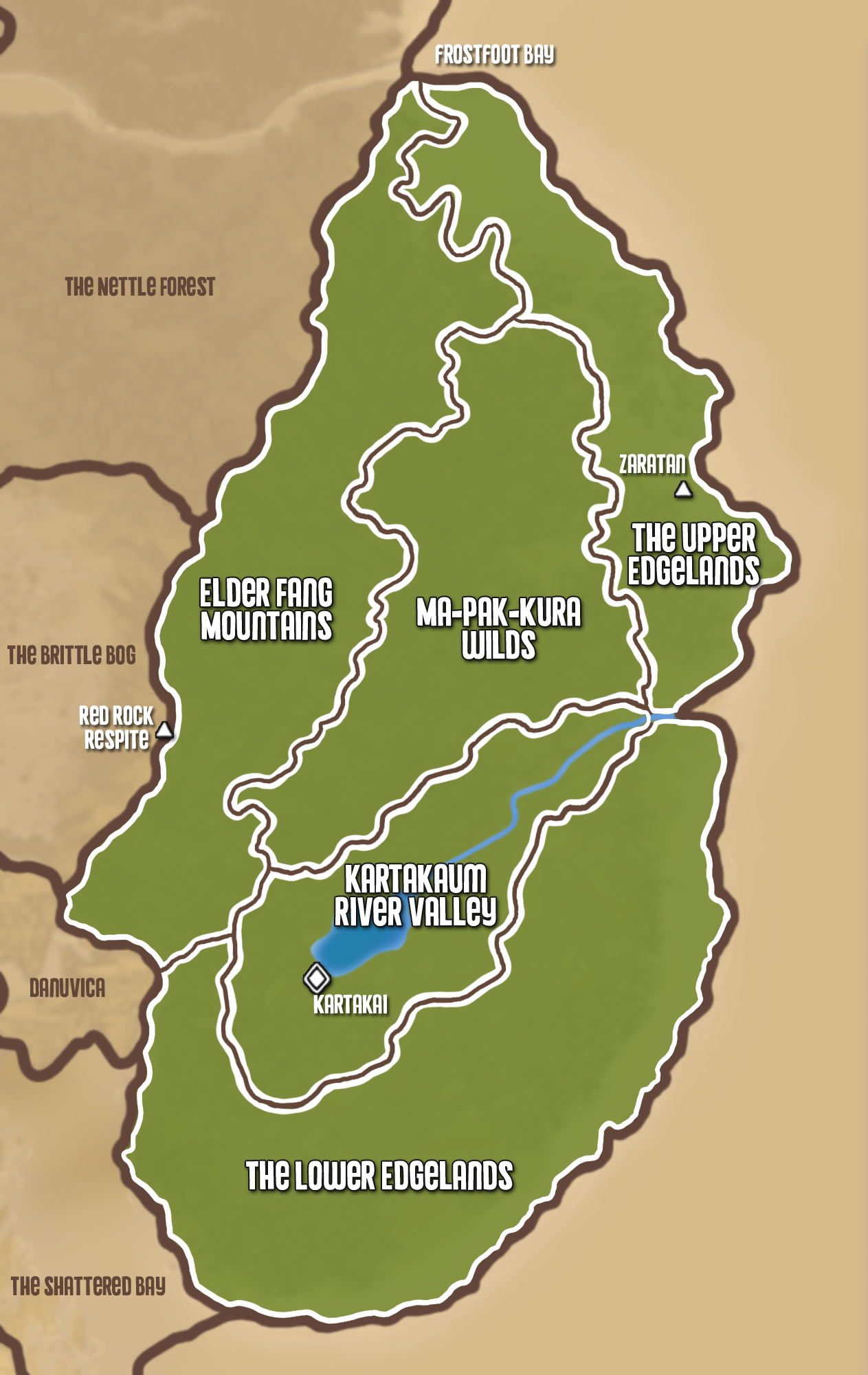
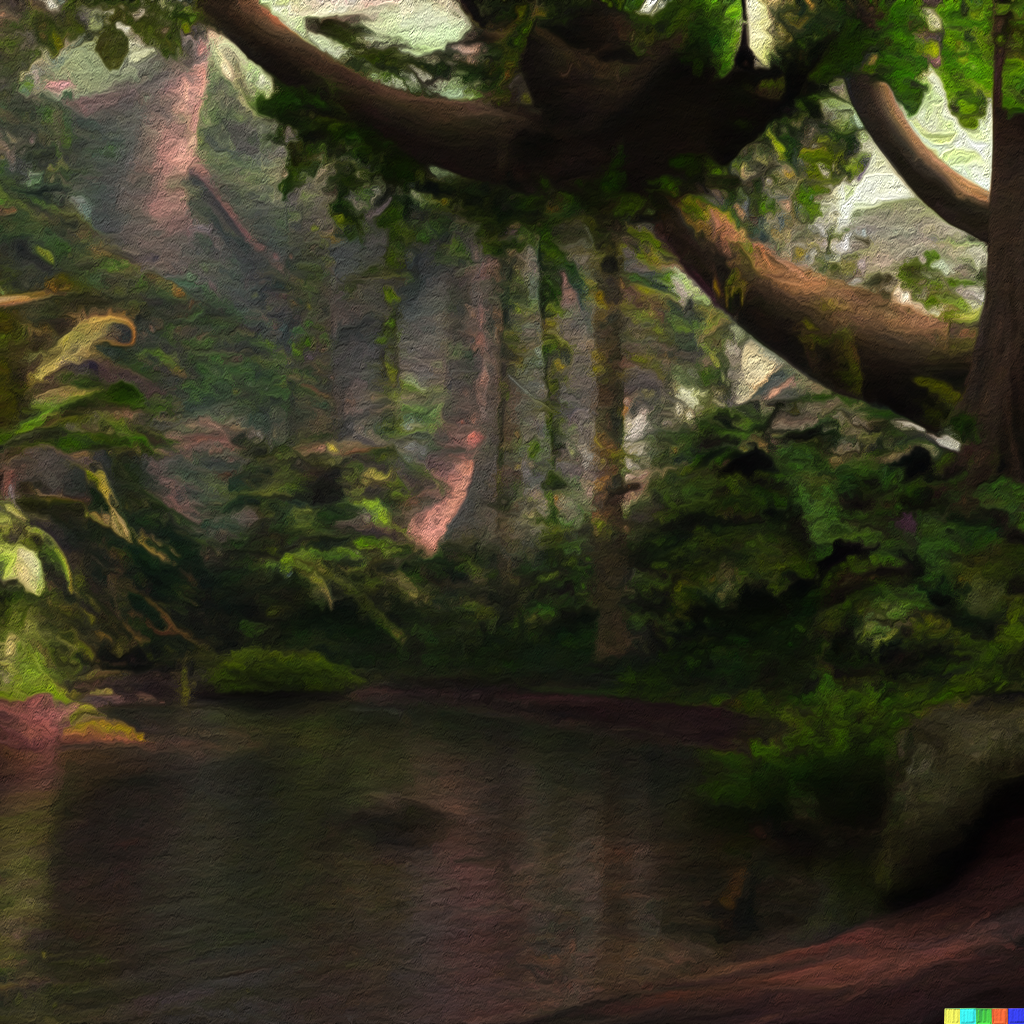
Though the Torgali have lived here for millennia, this Land still remains one of the wildest and most natural areas of the Beanut Lands. Predominantly tropical, the Jungle stretches from the mountains on the west to the coasts on the east and south, in varying density.
Elder Fang Mountains
Jagged and imposing, these mountains once kept the ancient Torgali from leaving the Jungle for centuries
Ma-Pak-Kura Wilds
The untamed lands directly south of the Elder Fang mountains, home to the most formidable creatures, and the most formidable people. This is the densest and most threatening part of the Land of the Torgali.
The Upper Edgelands
The northern coastal part of the Torgali Edgelands, known for its unique species of hard-shelled fauna and a unique community of elders.
Kartakaum River Valley
Nestled in a beautiful and mostly peaceful stretch of land, this valley is the most fruitful and developed region of the Torgali Lands. It is home to the Tangled Towers of Kartakai and the ancient Beanut Temple of Tradition.
The Lower Edgelands
Running south from the Zaratan bay and hooking all the way into the west edge along the shattered bay, this long strip of a region is beautiful, but unwelcoming, as it is home to strange and hostile amphibious creatures.
CULTURE GROUPS
Kartaki
The Torgali that live amongst the dense networks of rivers and towers around the source of the Kartakaum River.
Tenkabi
This represents a large population to the Kartakan people who are spread over a much wider geographic area and amongst a wider diversity of people.
Mau’kali
Torgali who have left the central Jungles and Valleys in favor of the tropical southern and eastern coastlines, islands, and marshes known as the “Edgelands”.
Kartaki
The Kartaki live on and above the massive Kartakaum river delta that sources from the heart of the Torgali Jungle and travels east to the Edgelands. Made up of the Mudfoot and Bridgewalker peoples, these two cultures live hand in hand; respectively inhabiting the river basin below and a massive network of tree houses and palaces above, each contributing to the better of the whole. During ancient times this fertile and bountiful river valley brought disparate hunter-gatherer tribes from the greater jungle and consolidated them into the centralized region, now the most modernized region of the Torgali homeland.
Mudfoots
Physical Distinctions:
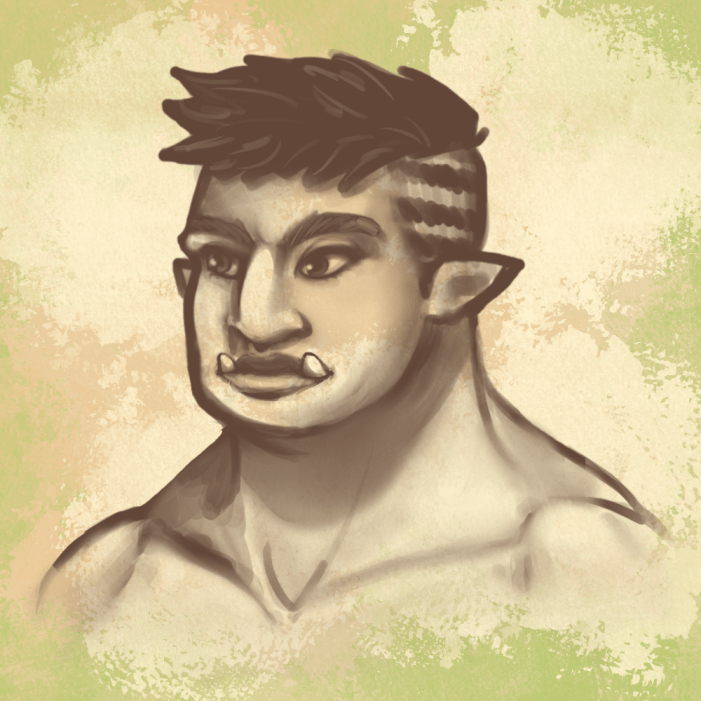
As residents of the shady and often dark valley floor of the Kartakaum River Valley, Mudfoots’ skin tones are lighter than the average Torgali, though they span the full range of hues from green to brown. Rarely do Mudfoots allow their hair to grow long, as they value the freedom of movement for their active, and often water-centric lifestyles.
On average, Mudfoots’ fangs are less noticeable
Locale: Kartakaum Valley, Torgali Jungle
At first the rewards of living by the river were offset by the high likelihood of violence and competition, but over time the tribes began to learn to cooperate and coexist. This marks the first known uses of collectively calling the neighboring tribes and families as “Mudfoots”. Very quickly the population of the Mudfoots grew, with more and more outside tribes hearing of this giving land and desiring its bounty themselves. For much of early history, the Kartakaum river basin was by and far the most heavily populated region of the world, and the first vestiges of civilization began to form. In a matter of a few generations, the locals became experts in both the use and fabrication of tools, simple yet strong bamboo structures began popping up, meant to store food and goods for later use, and the first semblance of a unified language began, known as “Tok”. A generally bellicose and free-spirited folk, peace under such bountiful conditions was only a temporary reality.
The period following this initial growth is known as the “Great Calamity”, where neighbor fought neighbor, and old alliances and friendship dissolved as violence sprouted up across the region. There is little known history of this time as few oral traditions were developed and maintained during the turbulence, however its existence is a given as many modern remaining oral histories begin at the conclusion of the “Great Calamity”. What is known is that by the end of the assumed near five centuries of conflict, four clans, all with sizable forces of oath-sworn warriors, stood triumphant each claiming their own section of the river valley. To protect and secure their wealth and goods from theft, they built large towers high into the tree canopies above and stored all they held worthy, however quickly more than just goods and wealth inhabited the tree lines, as the leading families themselves began to construct and reside amongst the canopy, forging the first Bridgewalker people.
As the division between those that lived amongst the trees and those below grew, the Mudfoot identity became even more solidified and unique from that of the Bridgewalkers, and no longer that of a class of servants and warriors. Focusing less on the veneration of the family and renowned ancestors, the Mudfoots delved deep into the devotion of ‘Waamoavha’ (‘Water Mother’ in Tok) the goddess of the river, fertility, and rebirth.
Their population boomed and they quickly became equals to those that lived above them, trading their food, furs, and oaths of service, for newly developed refined goods like silk, medicine, and advanced weapons. Unfortunately for both cultures, a second time of trouble fell upon the Torgali, this time from outside aggressors, leading to the loss of over half the Mudfoot population, the destruction of many towns and industries, and the utter obliteration of the beloved Temple of Knowledge that had driven the greatest Torgali minds on their rapid advancements.
Even worse than previously, the loss of historical accounts and records leaves much of the true history for the next few millennia occluded, moreover the lack of a written system for the Tok language played a major role in this fact. What is certainly known is that of the small remaining Kartakans, two major factions broke away and set out on adventures to find new less spoiled homes. The small remaining population were of varying backgrounds and could barely keep the region functional as the connections to the ancient temples fell to the wayside and trade dried up all together. Thankfully, since then, the region has been experiencing a historically unheard of peace that has kept the land growing and thriving, and the inclusion into the greater Beanut Lands have offered many Torgali foreign opportunities never thought of before.
What remains today is an industrious people who want for little more than they already have, most are trained by one of their parents in the family trade, they respect a diverse and scattered pantheon of family and personal deities, and they long to perfect the artform that they claim to be theirs. Mudfoots’ natural inclinations towards free living and communal improvement and growth tend most towards a chaotic sometime good alignment. They still predominantly inhabit the Kartakaum river basin and generally do not fall into any overarching political or societal structure, leaving all that ugly business to the Bridgewalkers and their impulse of drawing clear lines of delineation as to what is mine and yours. They still wear the simple cloth covering of their ancestors, not wanting to hinder their movement at any moment, and reside in simple bamboo and clay brick buildings lining the river banks. They still hold many of the core tenets of the original settlers of the river, earning and harvesting a better life and better land for those left behind, and the respect and reverence of your ancestors for the work they put in to make the region as bountiful as it is today.
Clothing and Style
Mudfoot clothing is made of simple materials such as cloth, hemp, hide and leather. They are light and breathable, loose and baggy, often tied into place with a strip of cloth or rope. Heavier, padded jackets are worn in the colder seasons. They often wear footwear such as wooden flip-flops with textured bottoms, to grip slick surfaces, and waders made from coatl hide.

Bridgewalkers
Physical Distinctions:
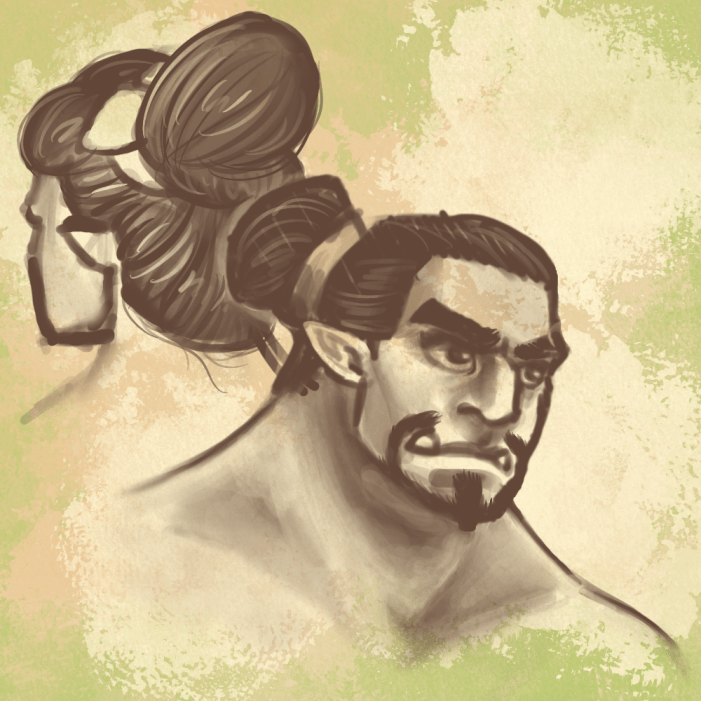
Bridgewalkers are more likely to have a lighter skin tone and smoother-textured, straighter hair. Men typically trim their facial hair, but some grow longer beards and shape them in interesting designs. Long hairstyles are fashionable. Scarification is strictly artistic and symbolic. Bridgewalkers don’t like natural, “ugly scars” and often look down on people with these as lower class or uncivilized.
On average, Bridgewalkers’ fangs are less noticeable
Locale: Kartakai, Torgali Jungle
Inhabiting what is now most often referred to as the ‘Tangled Towers’ of Kartakai, the Bridgewalkers are the more socially structured and industrialized sister community to the Mudfoots. Like the Mudfoots, the early history of the Bridgewalkers is predominantly lost to time, washed away during their times of strife. Despite this however, roughly a millennia ago a wise collective of Torgali clerics commissioned the ‘Turret Tapestry’ a continuing work of chronicling the leading families and dynasties of the interwoven yet heavily partitioned Towers. What the tapestry displays is a ever changing cycle of influence as industries gain and lose prominence, gifted bloodlines shift and branch, and gifted leaders and guardians pass with age; what is clear is that the structure of the Towers relies on a delicate yet highly honored peace amongst those sharing the region. This feudal system of dynastic ownership and leadership is referred to by the Bridgewalkers as ‘Takaimo.’
Centers of power are focused around the historical tall tower landmarks that dot the land, most often controlled and served by a single family or collection of extended relation tribes. These towers not only stand as a symbol of power but offer relief from the wild and often untamable jungle floor.
Life in the towers is more organized than that of the jungle below, each person generally has a job or purpose and those charged with guarding the towers often take an oath before the leader to protect and safeguard all those residing within the tower. These positions are often looked upon with great honor and these guardians are extended greater luxuries and benefits even if they do not belong to the ruling family. The greatest of the tower guards will often be highly sought after and will receive requests for service from other clans with the promise of even more power and the chance at inheritance.
During the past, these tower clans would fight non stop to claim each other’s property, often referred to as ‘takai‘, which literally comes from the Tok word for “tower”, though eventually takai became synonymous with any physical property owned by a family. Over time, this desire waned and neighbors began working with each other for the greater good, however interactions were still limited and armed. Many tribes would allow their greatest tower guardians the opportunity to fight one on one to resolve issues of revenge or wrongdoing, sparing the lives of all those who in the past would have been killed or suffered during a power shift.
Under these conditions, the losing nobles would often commit ritual suicide, granting the winner’s the comfort in knowing no uprising will come soon after and the conquered people were more fairly accepted by their new overlords. Smaller families offer temporary fealty to larger neighbors during hard times, and even these larger tribes would then sometimes swear fealty to an even greater tribe. But as leaders die and tribes come upon fortune, fealty and oaths are forgotten and individual control is returned. Only under the leadership of a great hero or thinker do larger sections of the jungle find themselves under singular control. This drive to coordinate the people on the larger scale, not just doing the your own part like the Mudfoots, and to bring order to the vast network of takai has tempered the Bridgewalkers chaotic nature, while on the whole the people still lean toward good, lawfulness is much more common amongst the Bridgewalker people than the Mudfoots.

Clothing and Style
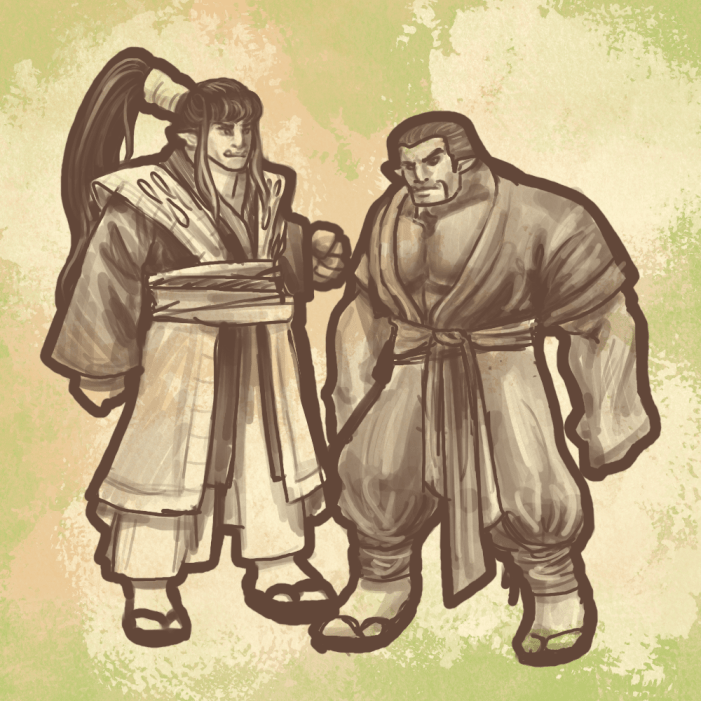
Bridgewalkers traditionally wear kimono-like robes varying from casual to formal, and body wraps. Many accessories include silk-cushioned flip flops, cloth foot wraps, and elaborate jewelry and headbands.
Simple endeavors of art and fashion are a welcomed luxury of tower dwellers, the most popular being the weaving of battle dress, a unisex garb created from the silk threads of the dangerous Couatl eggs. A simple T-shaped, wrapped-front garment with square sleeves and a rectangular body wrapped at the waist with a broad sash, the battle dress is often adorned with images of family heroes or great feats personally accomplished. This luxury of being able to burden yourself with extra fashion in an attempt to make a statement is one of the most foreign concepts to the rest of Torgali society.
Kartaki Stats
Subgroups
Mudfoots
Bridgewalkers
Kartaki Languages
Known
Your native language is Tok. Because of this you can also communicate at a basic level in Tok’s sister language, Loval. Additionally, due to the diversity of other cultures in the Kartakaum Valley, you are familiar enough with Common to hold a basic conversation, though you can not read or write in either Loval or Common.
Learnable
Tenkabi
The Tenkabi represent the most primal and untamed sections of Torgali society, many having never met a non-Torgali and even more having never left the ‘Old World’. Representing a near rival population to the Kartaki, these peoples are spread over a much wider geographic area and amongst a wider diversity of people, truthfully many of the Torgali who would be considered Tenkabi aren’t aware of their inclusion within a larger group of peoples. The most prolific cultures within the Tenkabi are the Ma-pak-kura (meaning “The Elder Way” in the Tok language), the Korkatsu (meaning “Jawline” in the Tok language), and the Fangali, who have moved on to the west of the Elder Fangs into the Nettle Forest – each of these groups inhabit a distinct but active portion of the ‘Old World’.
Tenkabi are more likely to boast larger and longer fangs than other Torgali. They are also the only culture group who have learned to intentionally develop cat-like eyes. This is thought to have been cultural evidence of the ancient Fae and Tok once having been friends, though the Torgali legends have few records of such an alliance. If it is true, it happened long before the ancient Great Calamity.
Ma-Pak-Kura
Physical Distinctions:
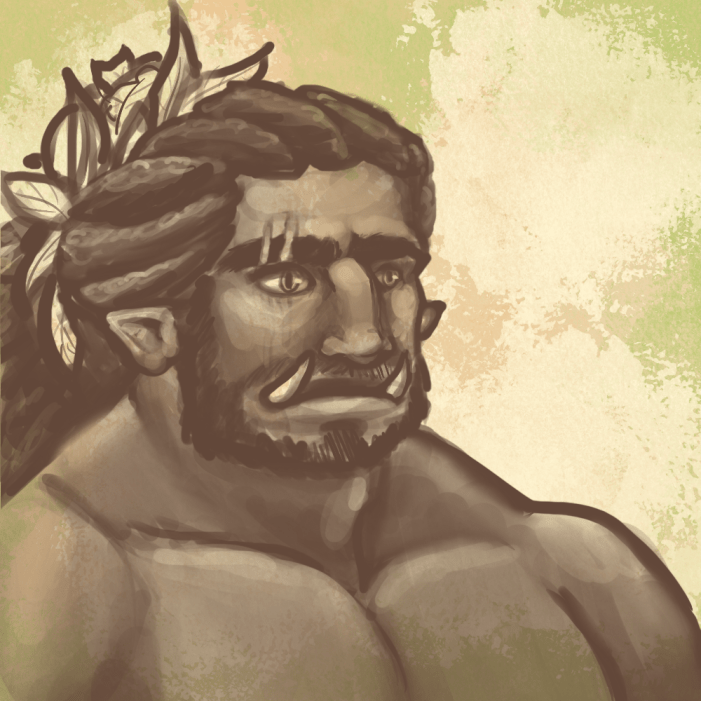
The most fierce and imposing of the Torgali, the Ma-Pak-Kura are usually larger than average. They are the most likely to have long fangs and cat-like pupils.
They find artistic scarification to be dishonorable, only earning their scars through hardship.
Pronunciation: [ma-PAK-kuu-ra]
Locale: Ma-Pak-Kura Wilds, Torgalia
The Ma-pak-kura tribes inhabit the largest region of the Torgali jungle, namely all the jungle that lay north of the Kartakaum river, having even made up the majority of original Mudfoot peoples. Due to this they share many spiritual and cultural similarities to the Mudfoot people, most predominantly their worship of ‘Waamoavha’ the river Goddess, and their strict belief in honor of one’s actions. Many of these tribes are loosely made up of immediate family and those who would swear an oath to bond them with said family, functionally granting them the same rights as a blood family member. Betrayal and dishonesty are considered amongst the worst crimes to the Ma-pak-kura and often result in ritual punishment, such as blinding or castration, or in severe cases ritual suicide. These similarities to the Kartaki are much more drastically rewarded, and punished, in the jungle culture of the Ma-Pak-Kura.
Not entirely nomadic nor entirely settled, they typically grow their clans until the area they inhabit can no longer sustain the population, at which time the whole clan will move, or fractions of the clan will break off and start fresh in a new home. This constant fracturing and division has ensured that no solid authority or governance has ever come upon the people as a whole and to this day they maintain their very free tribal traditions of a hunter-gatherer society.
Though many Ma-Pak-Kura proudly live the rough-and-tumble life of hardship and challenge with gusto, it is clear from their strong oral history and undeniably unique cultural traditions that the Ma-Pak-Kura have not all remained in the depths of the Jungle Wilds, and have split into many other Tok groups: namely, the Korkatsu Torgali of the mountains, who share many of the cultural similarities; the Mau’kali Torgali of the coastlands, who are the most physically similar to the Ma-Pak-Kura; and even the Canzians of the southern Sizzling Sands, whose cat-like Tok appearance harken back to the Ma-Pak-Kura’s unique symbiosis with the cats of the Jungle.
Clothing and Style
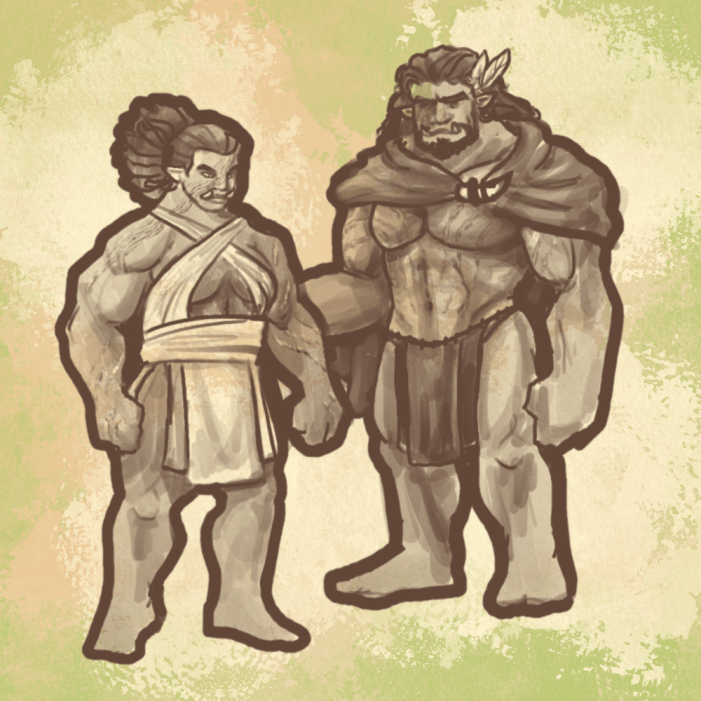
Clothing amongst the Ma-pak-kura serves one simple purpose: protecting the wearer from their native environment while maintaining full range of mobility. Typically a simple draped, slip-on, or open-sewn garment is worn, and only the individuals of high social ranking are allowed to wear clothing and mantles decorated with color and bird leaves, where as warriors would wear plain monotone capes and mantles. Men typically wear a loincloth garment starting at age 8, most are raised naked or wearing a simple cape up to this point, by age 12 most men have adopted the traditional loincloth with select covering. Women typically start wearing short dresses at the age of 4, mostly simplified clothes of their mothers. By the age of 6-8 most women will transition to long tied skirts or blouses accompanied by tied body sashes. It is uncommon that a Ma-Pa-Kura would be found wearing footwear outside of a rare religious event.
Korkatsu
Physical Distinctions:
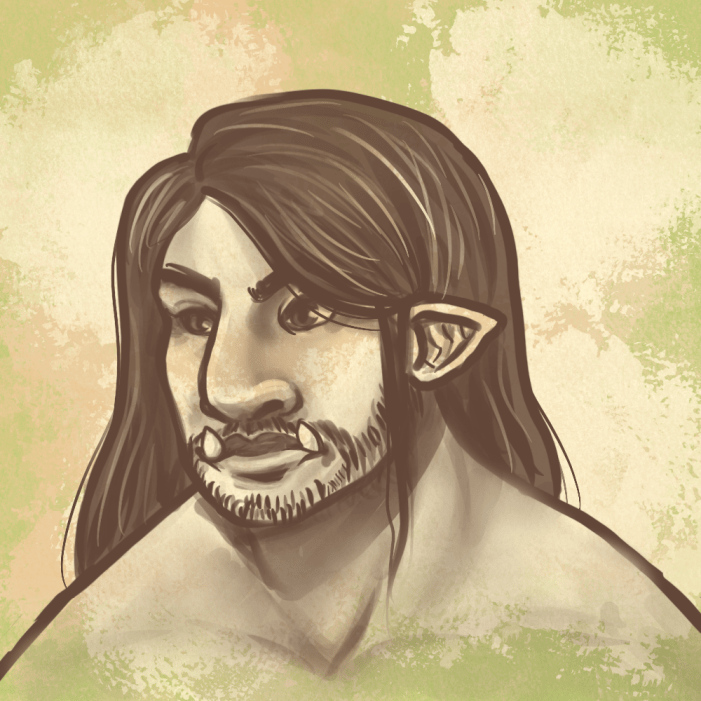
Generations in a harsh mountainous home have caused most Korkatsu to develop more facial and body hair than other Torgali. The men often proudly wear beards. Korkatsu usually have warmer-colored skin tones, and their hides are thick to insulate them in the harsh winter cold.
Pronunciation: [kor-KAHTS-(u)]
Locale: The Elder Fangs, Torgalia
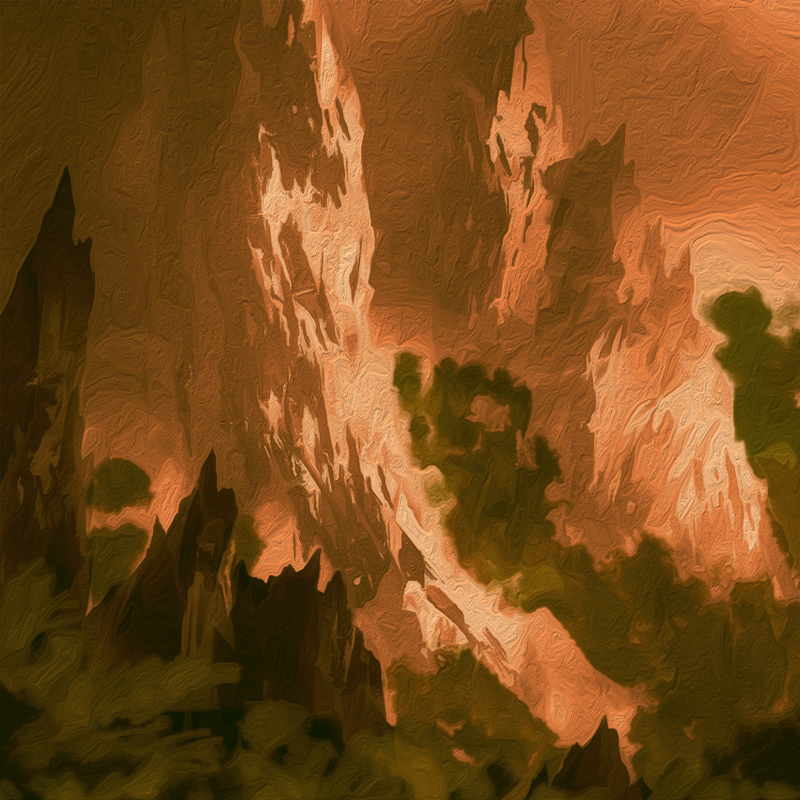
The Korkatsu are made up of a few, fiercely devout tribes who have called the visually terrifying Elder Fang Mountains their home for millennia. These jagged mountains are located in a region prone to constant tectonic shifts and devastating landslides, making long-term settlement an exceptionally difficult task. Nonetheless, the Korkatsu believe themselves closer than any other people to a true god, having originally settled in the area following a myth regarding the ancient deity Ukavro Ni’ (‘Unbroken One’ in Tok), the God of the soil, metal, and battle.
Like other Old Worlders, these Torgali brethren share this fanatical devotion to a simple lifestyle, which has in turn kept them from establishing larger communities or cities to call their own. Rather, their commitment to freedom and community is of utmost importance, and the idea of living in a structured, organized, lawful environment is as foreign to them as the politics of the greater world. As a result, the Korkatsu have remained a close-knit people, devout to their own beliefs and traditions.
Despite their deep-rooted beliefs, the Korkatsu are not a people who shy away from risk. Those who choose to live in these mountains are willing to take on great danger and unpredictability in order to remain true to their way of life. However, they are not without their struggles, as the nature of the region has made life exceptionally difficult. Despite these challenges, their unwavering devotion to their god and their way of life has allowed them to persist and thrive in this harsh and unforgiving land.
Clothing and Style
Korkatsu clothing is heavy and durable, but it is designed to allow as much freedom as movement as possible. These silk- or fur-lined robes are typically long sleeved and loose-waisted, with a large lapel, and thick hide laces tied at the collar, cuff, front edge and lower hem. The robes are very long and need to be pulled up at the waist and tied with a band. If it is hot, the wearer can bare the right arm or both arms. Men wear high collared white garments below and felt hats that tie with a tassle. Women typically wear colored garments below and decorate their hair with ornaments made from local metals like silver, as well as mountain gemstones, silk threads, and decorative cloths. The style and type of headdress can vary for large events, marriages, or even to identify things like periods of mourning.

Fangali

Physical Distinctions:
These Torgali have developed smaller noses and significantly longer ears which sometimes even resembe the ears of their Fangren neighbors. After thousands of years living in their darker, forested environment, they have developed lighter skin tones that have shifted toward more decisively green hues, as a means of camouflage.
Locale: Upland Reach, Elderwood Deep, The Nettle Forest
The Fangali, also known as “Uplanders,” are a small but unique population of Torgali living in the southern regions of the Nettle Forest, who represent a distinctive subset amongst the Tenkabi. Their history traces back to the sentry party of the group that would eventually become the Lovalians, who found themselves lost and trapped in the Nettle Forest for generations before deciding to make it their permanent home. The land shares a similar climate to their native lands, and the Fangali soon grew into a true population, developing their own cultural practices and traditions.
The Fangali are responsible for the initial digging and planning of the Serpent’s Pass, which has allowed them to maintain a connection to their ancestral homelands. Their unique blend of cultural practices combines elements of both the Ma-pak-kura and Fangren traditions, reflecting the years they spent lost in the Nettle Forest and the influences they encountered along the way.
Their simple existence belies a deep sense of connection to their land and their history. The Fangali have a strong tradition of oral storytelling, passing down the history of their people through generations. Their connection to nature is reflected in their deep reverence for the forests and mountains around them, and their belief that they are the rightful stewards of this land. They have a reputation for being stubborn and fiercely independent, resisting any attempts to subjugate or control them.
Despite their small numbers and relative isolation, their ability to adapt and survive in even the most unusual conditions compared to their ancestral homeland has made them a force to be reckoned with. Their unique cultural traditions have enriched the wider Tenkabi community.
Clothing and Style
Prioritizing ease of movement, much like their fellow Torgali of the Jungle, the Fangali Uplanders have a drastically different pool of resources than their eastern brethren. In addition to the lack of jungle creature hides and crops of the tropical ecosystem, these people have adapted to their new environment by making unique use of both Torgali and Fangren clothing production. Simpler pieces include woven flax and hemp cloth garments in the traditional Torgali robe style, and usually in natural colors. Many of the native creatures also provide leather for lighter armors and work shoes. Taking from the Fangren, the Uplanders have learned to shape and mold certain species of wood to create tough bark armors and vine-sewn cloaks and overcoats. These techniques are also used to create accessories like wooden talismans and finely woven jewelry.

Notable Figures
Omeki Yasei

Old Worlder Stats
Subgroups
Ma-Pak-Kura
Edgelings
Korkatsu
“Fangali” Uplanders
Preferred Classes

Barbarian

Druid
Old Worlder Languages
Known
Learnable
Mau’kali
The Mau’kali are a community-driven people who call the coastal regions to the south and east of the Torgali Jungle their home. They are mainly split between two locations: Anura Beach, located to the south of the Kartakaum River, and Zaratan Bay, which lies to the north.
Mau’kali
Physical Distinctions:
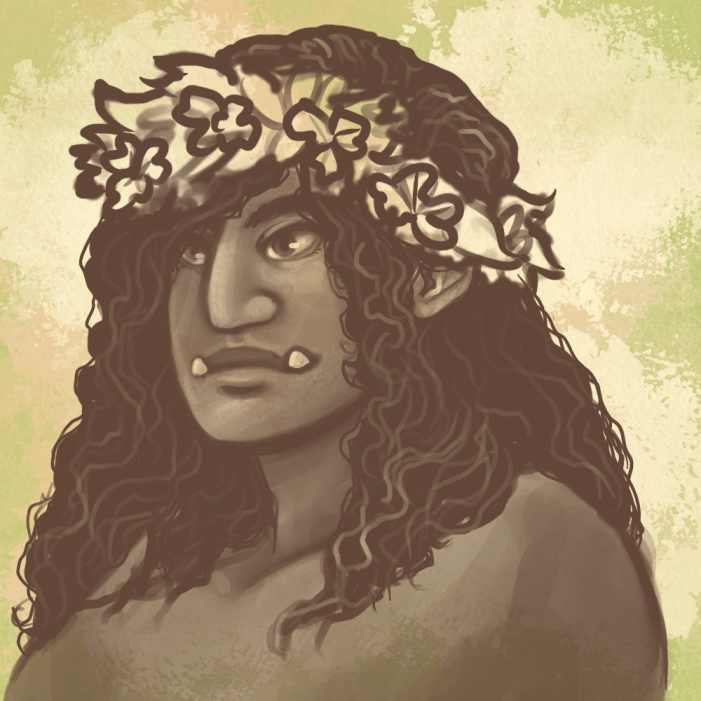
Due to their tropical environment, they have the darkest average skin tones of all Torgali. Most Mau’kali avoid cutting their hair short, and they have a unique hair-care method that has caused them to develop smoother hair. They add black pigments to their artistic scarring, creating beautiful tattoos that have a unique texture.
Locale: The Edgelands, Torgalia
Anura Beach is a place of great natural beauty, with its crystal-clear waters and fertile marshes that separate the beach from the dense and wild jungle beyond. However, the Mau’kali who live in these highly precipitous, tropical wetland areas know it to be a treacherous place — not only because of the difficult terrain but also because of the presence of the Grung, a race of frog-like goblinoids that inhabit the quiet recesses of the wetlands. While they are not outright in active conflict, the Mau’kali that reside in this area undoubtedly come into occasional contact with the Grung, and their true relationship is difficult to understand.
In contrast, Zaratan Bay is a much less threatening location, with little to gain other than what is needed for survival. The local Ironshell Crab communities that call the bay home do not take kindly to having their beaches invaded, and caution is advised when venturing into their territory, but they are not a threat to the flourishing tribes of people here. However, the few tribes that do reside in these areas make use of the small but populous ‘Elder Community’, which have settled in the area for trade and commerce.
Clothing and Style
Mau’kali clothing is minimalist. The hot and wet climate and their active fast-paced lifestyles demand they sacrifice nothing for comfort. Men wear knee length body wraps, clasped or tied at the shoulder, women wear long body length skirts, fastened or tucked around the heart. For important religious and secular events where song and dance are, typically the Mau’kali will adorn themselves with ornament, intricately patterned clothing and decorative accessories meant for such events. These frequently include floral wreaths and capes, shelled and beaded jewelry, and elaborate face and body painting.

Stonefoots
The Stonefoots are a dynamic group of Torgali people who live outside the borders of the Torgali Jungle, having migrated to the wider Imperial lands in search of new opportunities. Originally a derogatory term used by those within the jungle, the Stonefoots have reclaimed the label and now wear it with pride. They are known to be some of the most respected soldiers and citizens within the empire, revered for their Torgali family values, craftsmanship, and code of honor.
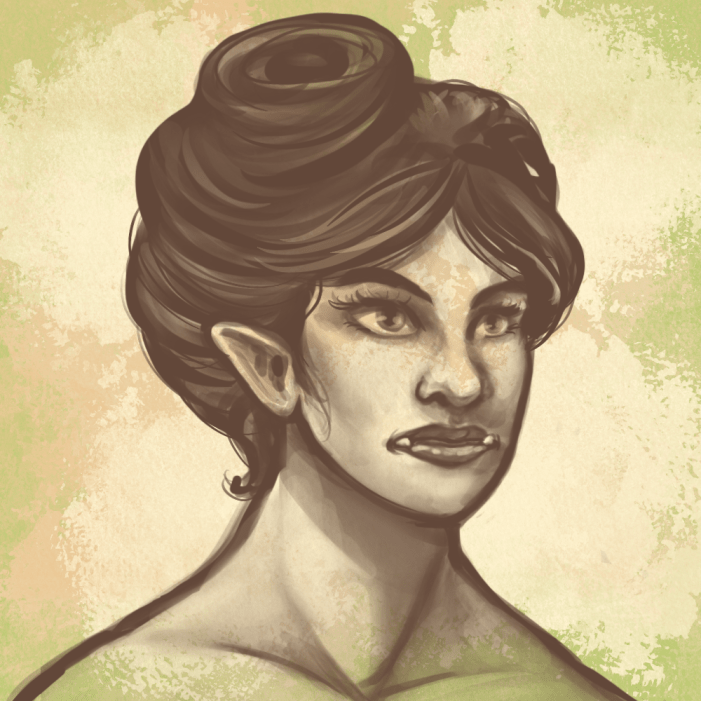
Physical Distinctions:
Each Stonefoot Torgali can be drastically different to the next, having intermingled for generations with people from all across The Beanut Lands. It is not always easy to distinguish a Stonefoot Torgali, unless they are of direct Old World lineage or they possess any of the absolutely irrefutable Torgali traits, such as fangs, epicanthal eyes, or a greener skin tone.
Locale: Various
As a fluid diaspora, the Stonefoots do not have a single unifying culture or tradition, but rather adopt the local customs and practices of the communities they live in. This adaptability has allowed them to seamlessly integrate into various regions of the empire, while still maintaining a strong sense of their Torgali identity.
Despite their varied cultural influences, the Stonefoots are united by their shared commitment to the ideals of Torgali society. They take great pride in their craft, producing some of the most exquisite art and finely crafted goods in the empire. They are also deeply committed to their families, prioritizing loyalty and duty to kin above all else.
While some Torgali view the Stonefoots as having lost touch with their roots, others see them as a testament to the resilience and adaptability of their people. Regardless of one’s opinion, the Stonefoots continue to thrive as an important part of the larger Torgali community in the wider world.
Clothing and Style
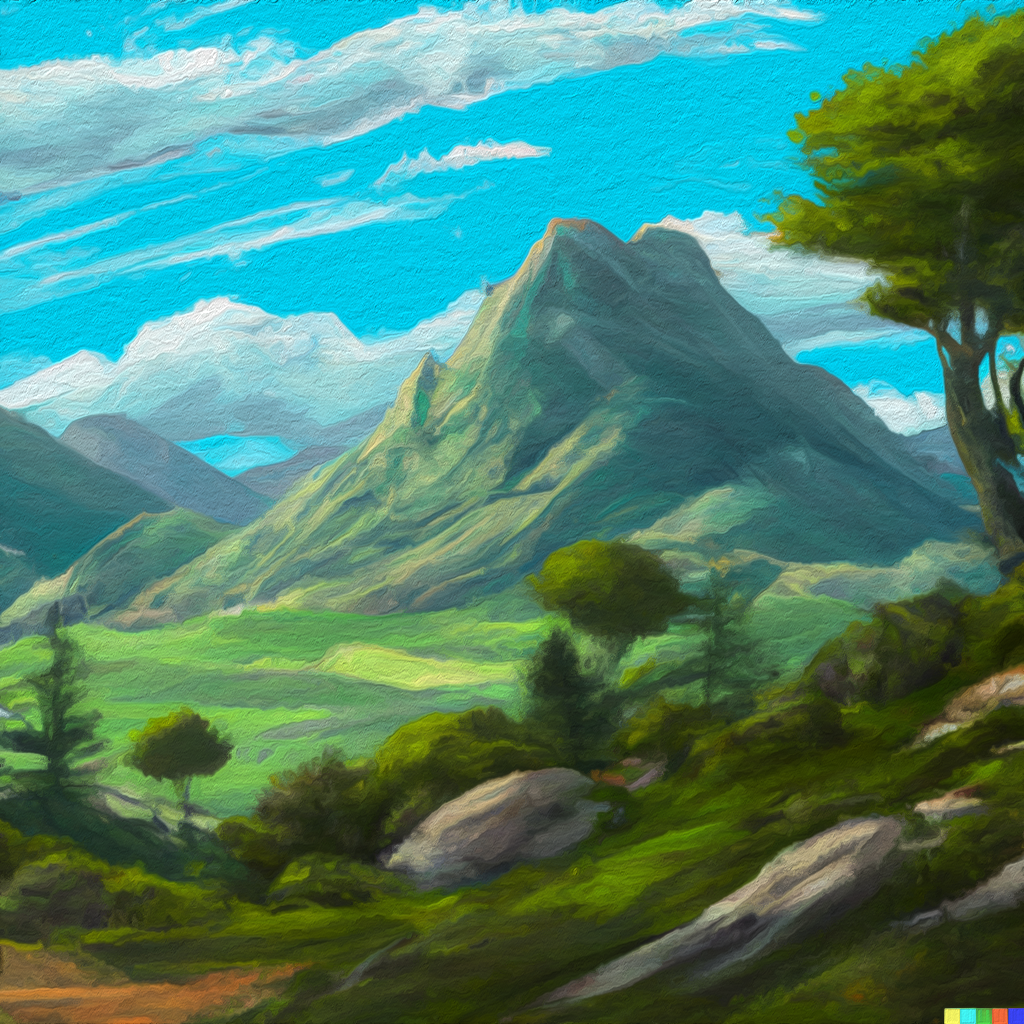
Stonefoots don’t have any particular type of cultural clothing, as each one has most likely assimilated into the culture of the place they live. Some Stonefoots still attempt to accentuate their wardrobe with traditional Torgali pieces, but often times these fashions are an urbanized caricature of the true traditional garments and accessories.

Notable Figures
Taki Kenzu
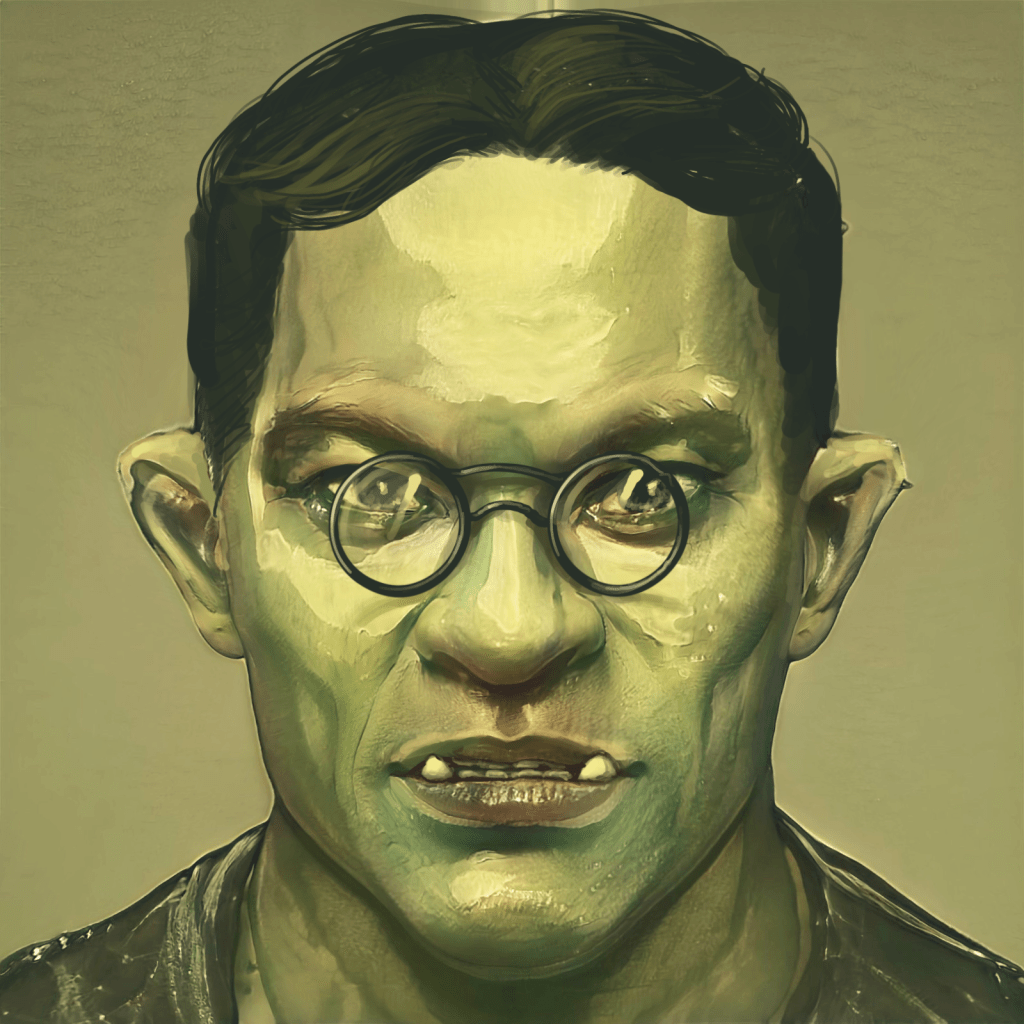
Professor of world cultures at the Everpetal University College of the Scroll. Present at the Sidren Reliquary Devastation.
Mako Magosi
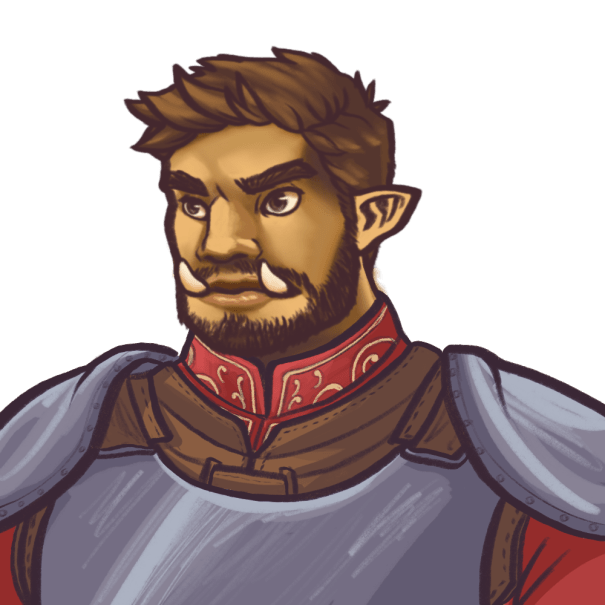
Mercenary and frontline protector, this Stonefoot is from a family that’s famous for their business of providing personal protection to high society nobles and merchants. He was recently seen escorting a group with a distressed beanut to the safety of The Wellspring Temple of the Grimlands.
A player character in “The Wellspring” one-shot session.
NAMING CONVENTIONS
Torgali names are strong, sharp, and undoubtedly Torgali; those that choose to live more urbanized lives frequently take dynasty names to show allegiances and as not to stick out of general society. The more simple Torgali will sometimes take epithets as last names, indicating deeds, positions, or relationships.
Traditional Feminine Names
Aera, Amaya, Ayame, Bhung, Chika, Denke, Emiko, Fujiko, Gyeo, Hanako, Hana, Hinaka, Himiko, Izami, Kaede, Kamiko, Kimbugi, Kina, Kiyomi, Maiko, Michiko, Morimi, Nari, Natsuki, Niedgo, Oko, Rhah, Rhowga, Rumo, Sakura, Shali, Shinga, Suki, Tsukami, Yatumi, Yoko
Traditional Masculine Names
Abzi, Akio, Busa, Daiki, Droga, Eiko, Eon, Fujio, Garumati, Goji, Hiro, Hideki, Isamu, Juni, Junichi, Kaito, Kenji, Kobiro, Maki, Naya, Nori, Onaga, Raguri, Rhohrun, Ro, Seo, Shukki, Sora, Tabati, Taro, Takeshi, Uzgi, Woro, Yuki, Zenjiro.
Traditional Dynasty Names
Ako, Barubatsu, Barugoku, Chidoru, Dabu, Dokazuki, Ghok, Ghorumi, Haki, Harumi, Hataki, Iori, Iorin, Jin, Jinkazu, Kazu, Kazumo, Khuma, Kunie, Kukhama, Moki, Mokiri, Namuri, Ren, Renkumo, Rhohrun, Rhodori, Shion, Shionko, Sora, Sorato, Tobiko, Yamaku, Yama, Yeon, Yoriha, Zekan.
Traditional Epithets
Ashenblade, the Berserk, Bloodstorm, Branch Bender, Butcher Breath, Clawrender, Crimsonheart, Darkhowl, the Devourer, Drakeslayer, the Elder, Emberfury, Finger Fracture, the Grim, Ironhide, the Joker, Jungleborn, the Miscreant, Moonshadow, Nightprowler, Onyxgaze, the Outlander, Ravenshadow, Riverwise, Scalebreaker, the Shady, Shadowfang, Snakesbane, Stormbringer, Sunstriker, the Swift, Tenwide, Thunderjaw, Venom-tongue, the Wardog, the Wild, Windrider, the Younger
 The Beanut Lands