















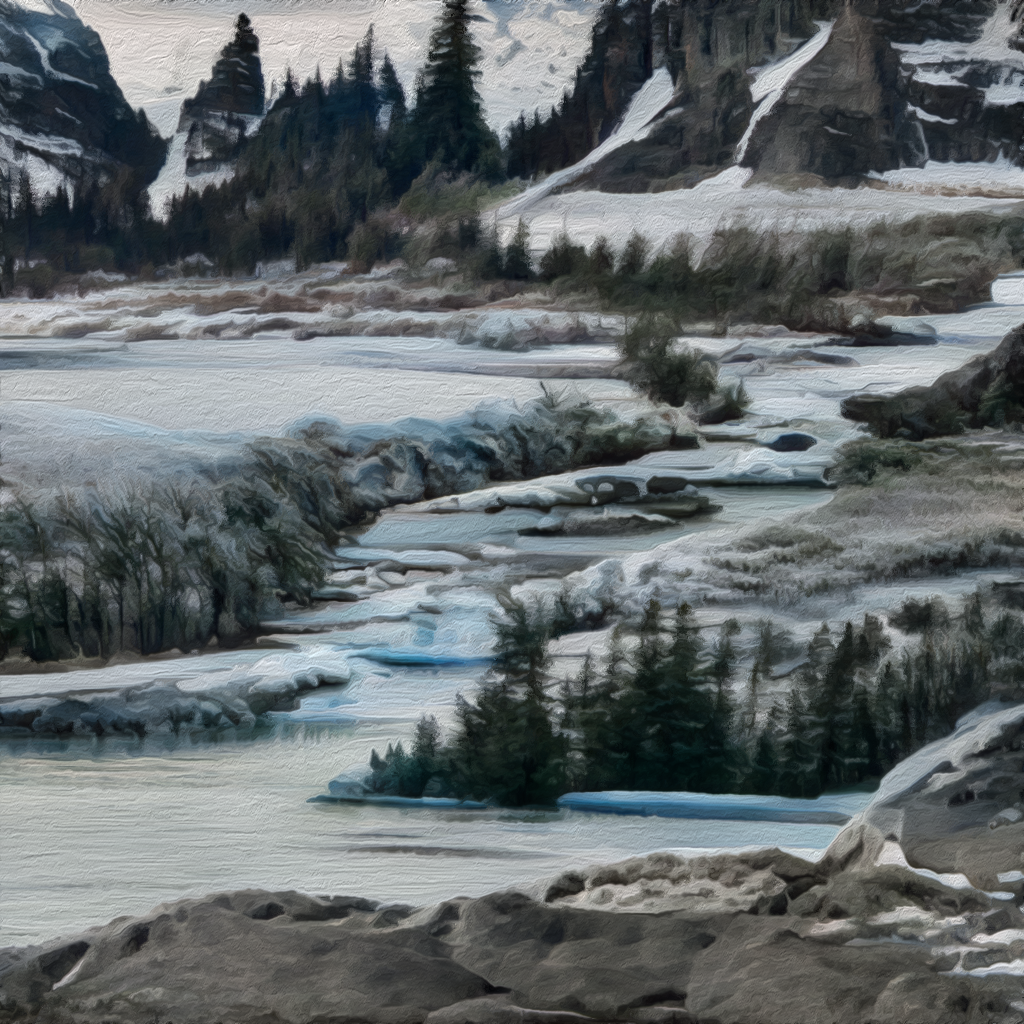
LOVALIAN
Scholars of the Frostlands
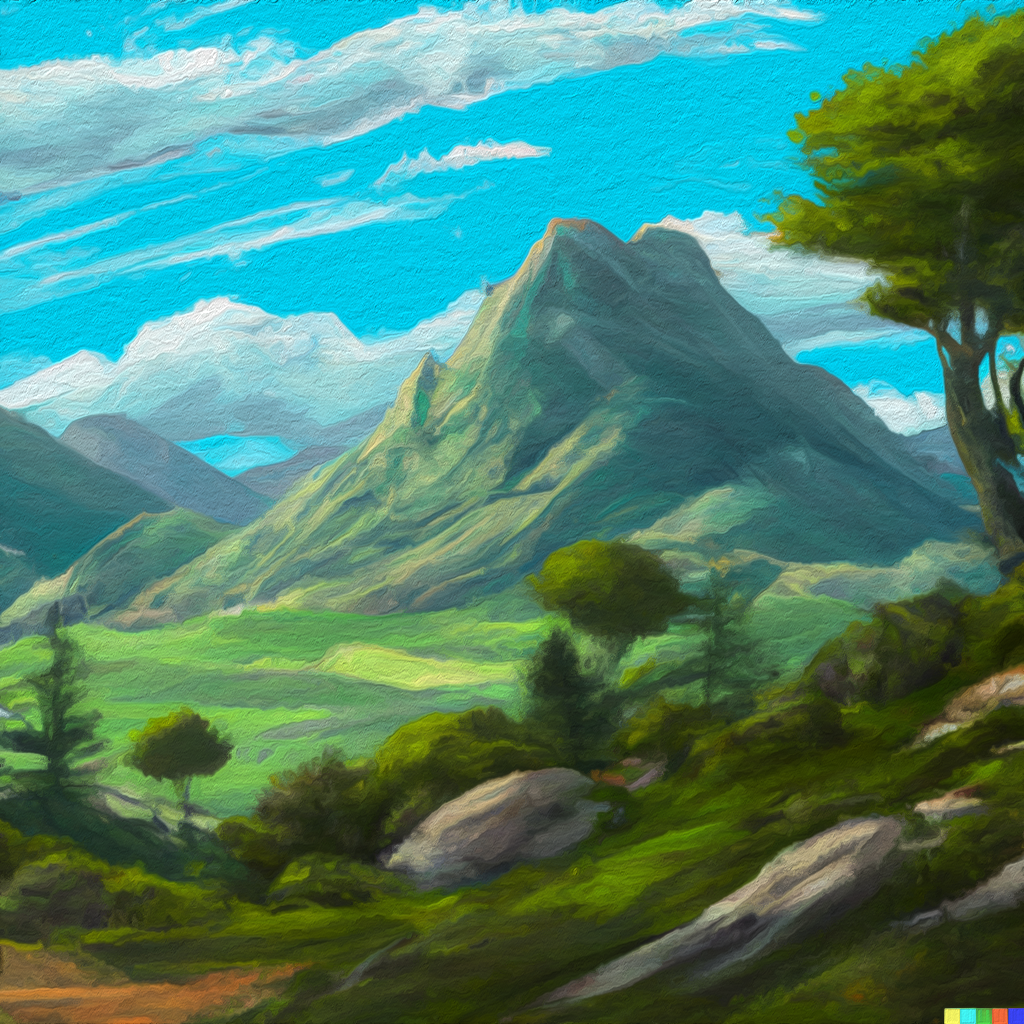
Much like the Canzians, the Lovalian are a fracture from the ancient Tok people, who longed for adventure and the desire to find a new more suitable land to call home. The Lovalians settled in the tranquil yet blustery mountain valleys and peaks of the northern lands, where peace and prosperity could be found for the people looking to escape civil unrest.
Lovalians enjoy peace and solitude, having developed a rich system of philosophy and rhetoric that deeply penetrates their culture. These traditions date back to the ancient kingdom of Lovalia, founded by a great warrior monk king, before his kingdom came down in disrepair after his death and the collapse of the now Chilly Cliffs. This king famously completed the Pilgrimage of all 12 Beanut Temples during his youth, and his endless journey for self improvement and enlightenment still influences the culture to this day. Amongst the Lovalians, the idea of perfect enlightenment and personal oneness is a highly regarded status.
Lovalian culture has a strong connection to the natural world and totemic spirits, believing that within each individual lives a wild animal spirit that guides and enhances each person. It is common to find collections of carved totems at holy sites and communities that share animal identities. A traditional rite of passage amongst the Lovalians includes exploring out into the wilds to find a tree that matches one’s own spirit. From this tree the first personal totem is carved, the true sign of adulthood. The remaining sections of the tree are replanted in a grove and tended for, it is believed that the health of this grove strongly influences the power of one’s totem. Most Lovalians have little interest in dealing with other peoples and less interest in spending time in the “lowlands”. Neither treasure nor glory is enough to lure them from their community; a dire threat to their people, a mission of enlightenment, or a catastrophe typically lies at the heart of the Lovalian adventurer’s chosen path. For Lovalians equality is important, competition exists only when it is supported by a level playing field. Competition measures talent, dedication, and effort. Those factors determine survival in their home territory, not reliance on magic items, money, or other elements that can tip the balance one way or the other.
Preferred Classes
Monk

Druid

Barbarian
Bard
Alignment
Most Lovalians tend towards good, sharing and caring for those within their communities for the benefit of all, but rarely choose sides when it comes to law and chaos.
Syntax
pronunciation
noun
plural
adjective
variants
(low-VAHL-lee-en)
That Lovalian is strong.
There are many Lovalians.
That is a Lovali artifact.
Loval, Lovali, Giants, Winders, Frostlanders, Northerners
Attributes
Base Speed
30 feet
Attribute Modifiers

+2 Dexterity

+1 Constitution
Unique Racial Features
Natural Athletes
Flavor
You have proficiency in the following:

Athletics
Sturdy Build
flavor
You gain +1 hit point per hit die, and count as a Large-sized creature when determining your carrying capacity and the weight you can push, drag, or lift.
Spring Heels
flavor
When making a Jump test, you may triple your Strength score or modifier for determining distances covered (not height).
Mountain Bred
flavor
You have resistance to cold damage. You’re also acclimated to high altitude, including elevations above 20,000 feet.
PHYSICALITY
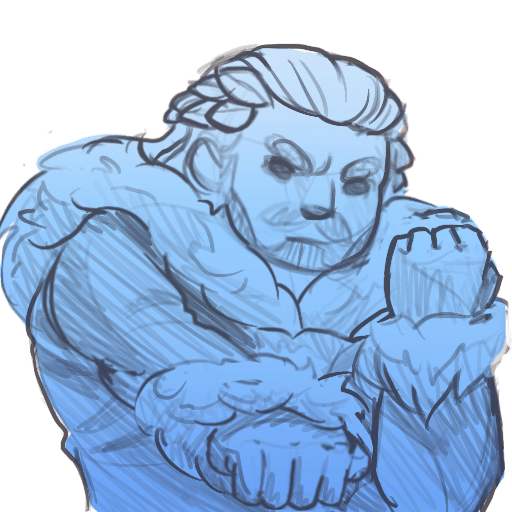
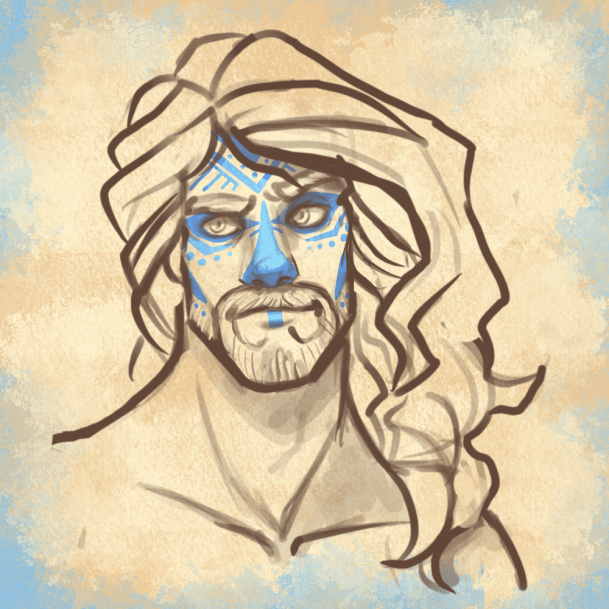
Lovalians, a race distinguished by their remarkable stature and light frames, possess a unique culture rooted in the icy realm they call home. Expressing their individuality through intricate body art and elaborate hair and beard styles, they embrace ritual tattooing as a central aspect of their identity. With their fair skin tones and light hair and eye colors, the Lovalians navigate their frigid environment while showcasing their distinctive sense of self-expression.
Traits & Characteristics
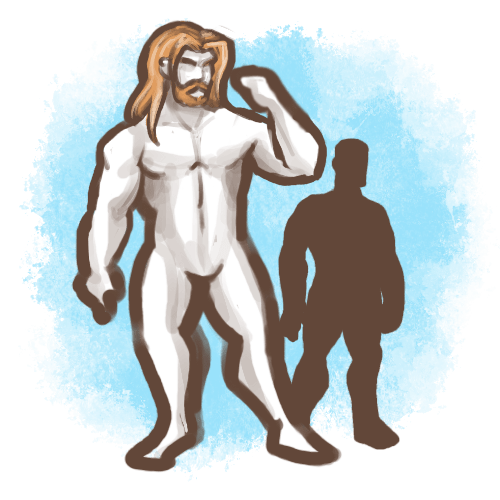
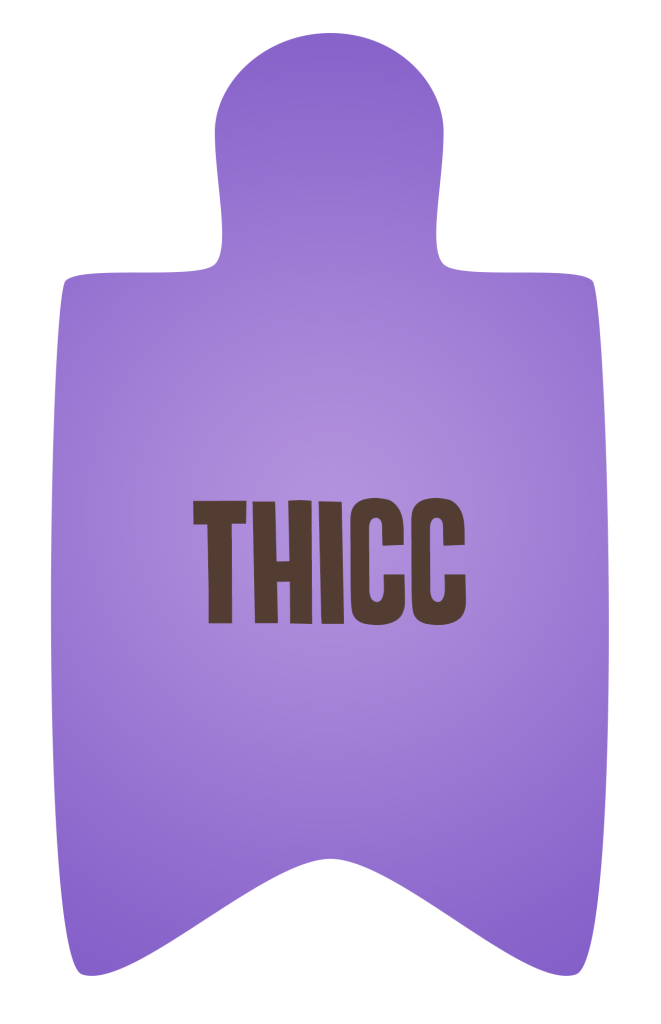
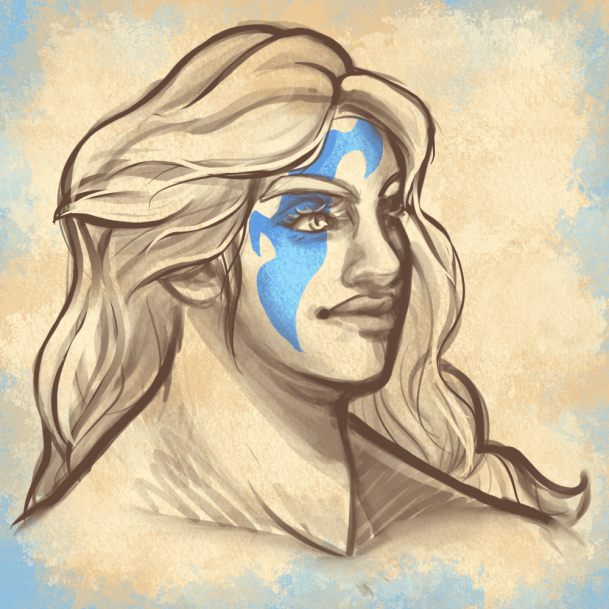
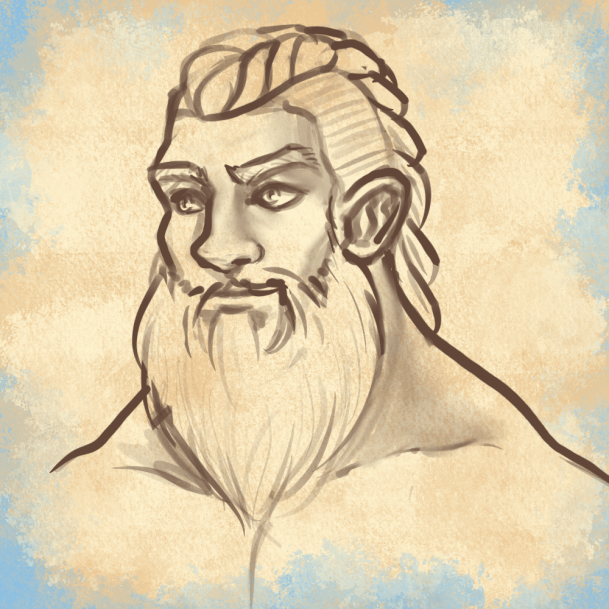
Like the mountains on which they reside, Lovalians tower over the other races. They are the tallest of all people standing on average between 7 and 8 feet tall. Despite this, they have evolved to have surprisingly light frames only weighing between 100 and 150 pounds at most. Long and darker winters in the north have left them with a lighter and fairer skin complexions that range from pale pinks and creams to some cooler tones closer to grey. They tend to have light tones of hair, from near white to strawberry blonde. They have lighter natural eye colors such as grey, blue, and hazel, and occasionally the less common lilac or bright cyan.
Lovalians are fond of body art as an expression of their individuality, fashioning detailed and complex hair and beard styles to identify themselves. These personal displays of identity help to distinguish each other amongst the dense and often multi-layered levels of drab, winter clothing the Lovalians wear to combat the cold environment they call home.
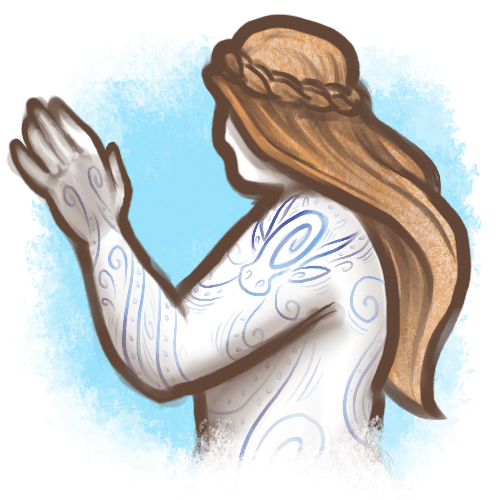
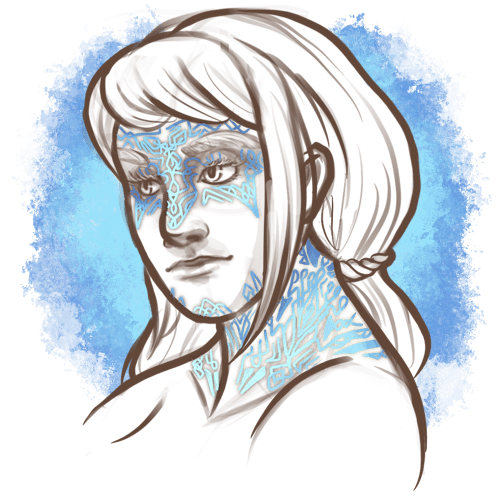
An essential part of Lovalian culture is their ritual tattooing, locally known as avaari. Using pigments that are almost entirely exclusive to the Frostlands, many dedicated Lovalians painstakingly endure intricate and extensive sessions over many months. Oftentimes these procedures can include a magical aspect as well, though most average Lovalian citizens get their tattoos without magical effects in their local hometown. Those who are dedicated to lifelong monkhood may seek out the traditional Lovalian tattooists (known as the famous Grand Avaarei) to perform their ritual, traveling to the most remote monasteries in the mountains just to vie for the chance to be marked by a master of the ancient magical artform. Due to the physical and spiritual burden it can have on a person, these magically imbued markings can extend the process into a matter of years, and for some more intricate and dedicated monks, even as much as a decade.
For more specific details on the different avaari patterns and colors for each region, see the Culture Group sections below.
Stature
Size
MEDIUM TOK (Humanoid)
7′ 0″ – 8′ 0″ (213 – 244 cm)
Body Types
140 – 180 lbs
(64 – 81 kg)
140 – 160 lbs
(64 – 72 kg)
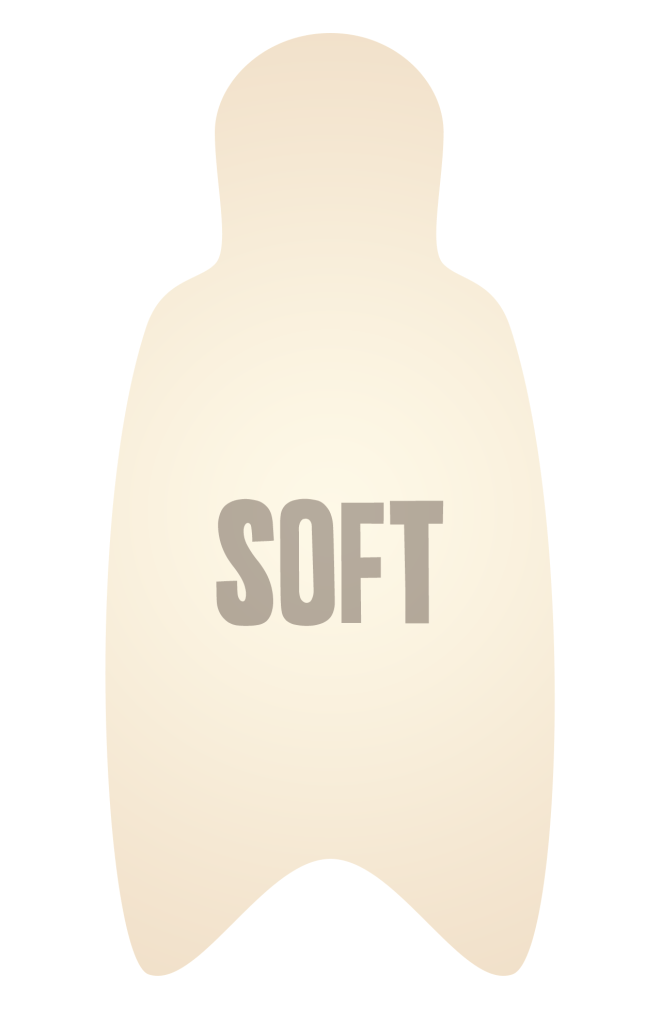
(unusual)

110 – 130 lbs
(50 – 59 kg)

130 – 150 lbs
(59 – 68 kg)

(unusual)

125 – 135 lbs
(57 – 61 kg)
Age
Adulthood
16 – 19 years
Lifespan
100 years
HOME LAND
Lovalia
description
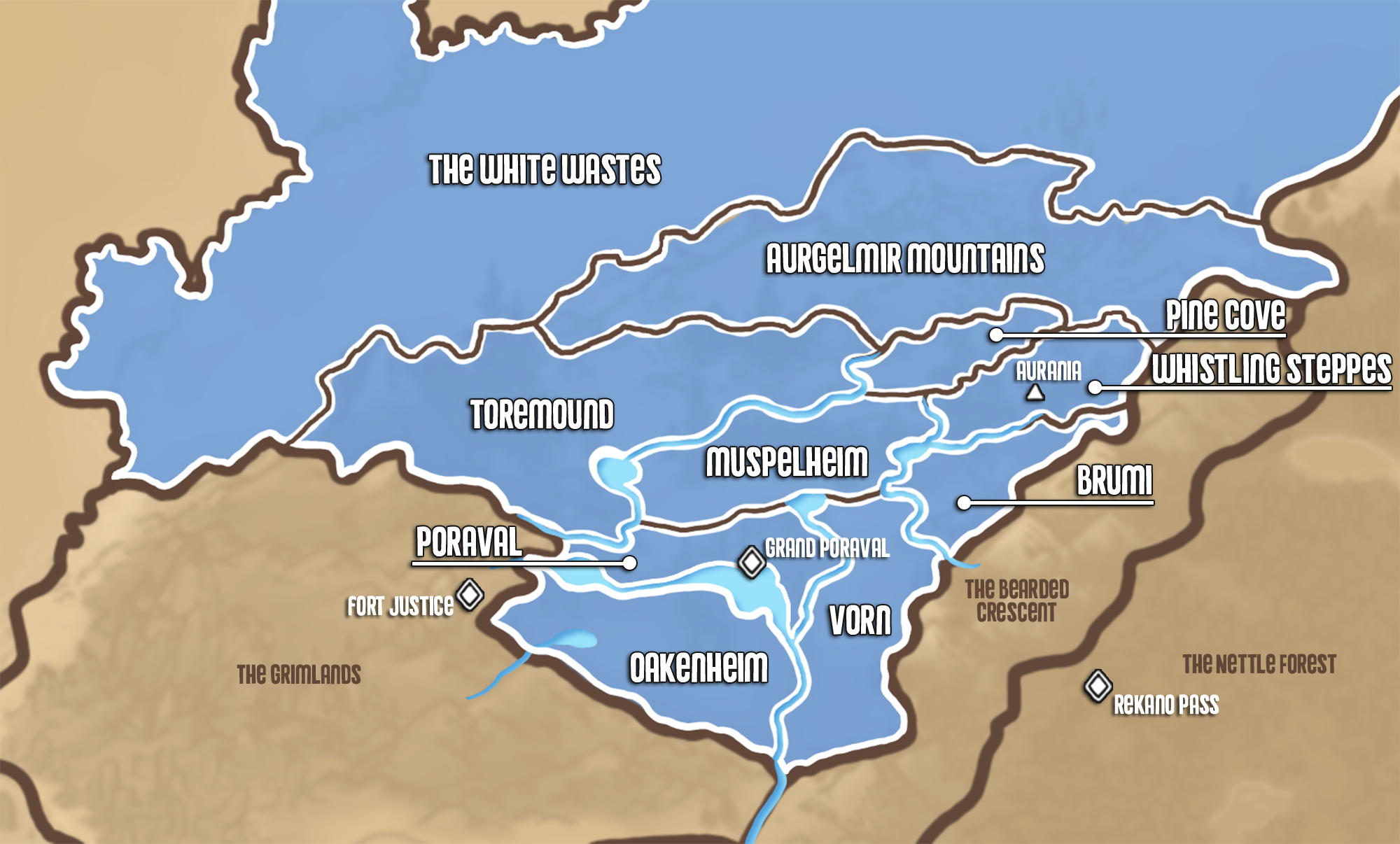
Poraval
Though it is one of the smallest regions, Poraval is the most populous and urban-centric areas of Lovalia. The seat of the first official Capitol City of the Beanut Lands, Grand Poraval, which was only recently replaced by Altakai in the last century. Now in the twilight of its prime as the epicenter of political power, Poraval has become much less bustling, though it is still the most diverse region of Lovalia, with considerable Grimkin, Colonian, and Hinfolk communities.
The Whistling Steppes
Lovalia’s long-standing cultural center is located here in the highest-altitude urbanized region in the Beanut Lands; The frosty trek up to this lofty city of Aurania is well worth it for artists from all over the world so they can visit the world-famous Lovalian Opera House, the awe-inspiring Valley of the Whistling Winds, and the Aurania Academy of Fine Arts.
Toremound
Description
Muspelheim
Populated mostly by Lovalians who make their living in the lumber industry, Muspelheim is one of the biggest exporters of all things tree-related, and is, quite as you might expect, heavily wooded. The dense evergreen forests mark the land with both old and new groves of Lovalian-native trees.
Oakenheim
Best known as the region with the most reliable fertile lands of Lovalia, Oakenheim is a quiet farming region south of the Greater Beanut River that flows down into the Heartlands and beyond.
Brumi
Though it is not highly populated, its adjacency to the Whistling Steppes makes Brumi quite a popular route through Lovalia. The lower altitude and access to numerous rivers affords this region quite a pleasant summer, but the winters here are quite rough.
Pine Cove
The smallest region of Lovalia, and likewise the most provincial. Pine Cove is a small valley region in mid-east Lovalia that has a few, quiet alpine towns, tucked away in the shadows of the surrounding mountain range.
Vorn
This region is the least-populated in Lovalia proper, and this is due to its lacking environment. Once it was a large sea between the Lovalian Mountains and the Bearded Crescent, but in the last millennia, Vorn has frozen solid into a punishing ice plains running north to south along its major central territory. The only truly inhabited areas are small settlements located along its borders, along the rivers and up toward Muspelheim.
White Wastes
Very little of value is found in the White Wastes, hence its name. A few isolated communities of Winterlanders live here, as well as some unique species of Megavian birds that you won’t find anywhere else in the world.
Aurgelmir Mountains
Commonly referred to as the “Chilly Cliffs,” a euphemism for one of the coldest areas of the Beanut Lands. These punishing mountains are home to the infamous primal yeti monsters, making even the most stalwart of Lovalian adventurers think twice before traveling here unprepared.
CULTURE GROUPS
Magnuns
The Magnuns represent the most widely-recognized Lovalian cultures that have endured since the height of the Lovalian Empire, when Magnus was king. This group includes the Porlanders, Auranians, Highlanders, and Krooners.
Norloval
The Norloval make up the tribes, small communities, and cultures of the northern lands: The Freewinders, the Goatlanders, and the Winterlanders
Southlanders
Southlanders vastly refers to all the Lovalians living outside the greater region of the Lovalian Kingdom; Lovalians are a generally accepting and transforming people and fluidly meld into the foreign environments they settle in to for the future.

Magnuns
The Magnuns draw their history back to the times of the Grand King Magnus and the formation of the first Lovalian Kingdom, with some even connecting themselves back to the ancient Tok adventures who settled these lands. These people have thrived and survived, living in the lush and wild mountain valleys of the Loval Mountains since the dawn of recorded Lovali History. It was these first settlers that developed the Loval language, at the time referred to as High Tokish, with the express desire of not losing any of their rich history to faulty memory or artistic license, as they had in the past. This commitment to recording “objective truths,” and collective observations quickly transformed into a culture of philosophical debate and rhetoric; questioning the wider world and how they best fit within it became paramount amongst the early Lovalian peoples. It was under the leadership of King Magnus that introduced the monastic aspects of modern Lovalian life; achieving not only personal oneness, but a connection to the world and its people on the whole, became of great concern. Most Magnuns, around the age of maturity, will take time to isolate themselves in meditation, hoping to grasp their first truths about themselves and the wider world itself. A process many will repeat over the years in whatever way they see most fit, at their core, Magnuns are people who drive to constantly challenge and evolve themselves.
In the time since the Lovalian Kingdom’s fall, the Magnuns have become renowned for their political and governing skills. Housing and fostering the earliest forms of democracy, they have developed systems that offer all citizens a voice in the direction and purpose of the governing body. While Willonians mock their systems for sometimes taking generations to enact change, the Magnuns take their time on important decisions when said time is offered. Each Magnun city and state has a different system of governing, custom crafted in the eyes of their people, but nearly unanimously across the land the people have a voice in the affairs of their local collective. This freedom of expression and deep commitment to discussion and record taking has led to the near full literacy of the people, and the culture of sharing and gifting books ensures that most have a wide breadth of knowledge. Likewise, nearly every community has a dense and constantly growing public library, allowing any citizen the opportunity to duplicate a book for themselves to add to their personal collections. It is amongst these public libraries that many of the beloved gems of philosophy were discovered hundreds or thousands of years after their initial authoring.
Porlanders

Physical Distinctions:
Avaari Traditions:
Porlander tattoos are heavily inspired by the classic designs of Lovalians of ancient times. The lines are strong and thick, but not overly intricate up close, often resulting in repetitive patterns and overlapping lines, much like classic Celtic imagery. Sometimes they will depict the likeness of an animal or family crest. Taking inspiration from their icy riverland, Porlander tattoos are typically light and cool colors.
Locale: Poraval, Toremound, Oakenheim, Brumu, Vorn, Muspelheim
The Porlanders, as the skalds and story-tellers claim, are the oldest of the Lovalian people, hailing from the Tok adventurers of ancient times. These people have a long and titled history, as both the creators of the first High Tokish writing system and as the first people to consolidate themselves under a formal entity, within the Lovalian Kingdom.
It was during the reign of King Magnus that the Porlanders reached their historical height, founding many monasteries for the growth of the peoples’ spirits, bustling cities to raise a wholesome population, and great academies to expand their minds and interests. While these may be their greatest claims to fame, in truth they also lay great claim as the mothers and fathers of philosophy, rhetoric, and entertainment. Many of the foundations of modern government and diplomacy are based on the works and minds of the greatest Lovalian scholars of past ages. Likewise, while the Faekin people have been notorious artists and creators since the dawn of time, it is through the observations of the Porlanders during the time of Magnus that opened their eyes to the ways of being entertainment — learning how to curate their once-personal fancies to delight the masses in a much more consumable manner.
Nowadays the Porlanders are still a strong and thoughtful people, however they have found happiness and purpose in being a single piece of a greater Lovalian community. They understand their value as artists and thinkers and will happily ply their goods wherever they are welcomed.
Clothing and Style
description
Auranians
Physical Distinctions:
Avaari Traditions:
Pronunciation: [oar-RAHN-ee-en]
Locale: Whistling Steppes
The Auranians hail from the windswept heights of the Whistling Steppes, a strange flatland expanse sitting high in the Lovalian Mountain range; the earliest stories tell of ancient beings who must have carved this strange landscape with purpose and drive. Even stranger than its presence, are the ephemeral and sometimes haunting melodies that the passing winds play as they whip through the turbulent mountain ranges surrounding the alpine plateau, echoing seemingly endlessly across the lands. This strange phenomenon has great importance to the Auranian people, the first settlers attempting to duplicate the majesty of their surroundings by carving and sculpting rock formations to produce the sounds and resonances most desired. This deep connection to these melodies grew with time, breeding a culture so ingrained in the musical arts and theories. Taking music away from an Auranian would be like stripping the steppe of its own natural music: implausible.
The Auranians also seem to be the first people who developed a functional system of elected government, with each family fluidly tying themselves to whomever they feel represents them best at that time. It was this elective council that, in years past, elected to join Magnus’s growing kingdom, and were integral in spreading the first ideas of democracy to the collective people of the world. To this day Aurania remains mostly self-governed, still using their fluid system of representation to enact the will of the people.
Clothing and Style
Description
Highlanders
Physical Distinctions:
Avaari Traditions:
Locale: Pine Cove, Toremound, Muspelheim
Once a multitude of smaller squabbling tribes fighting over mastery of the mountain highland region, under Magnus they united and grew into an industrious people who are today considered masters of many of the Lovalian handmade goods. The Highlanders live a pointedly less scholastic life than their Magnun brethren, preferring to live quiet lives devoted to the mastery of a task or purpose. This generational commitment to the mastery of a craft extends well beyond families as the relationship between master and apprentice is as respected as any familial bond.
In more recent centuries, Highland lumber, renowned for its impeccable quality and enviable durability, is one of the most sought-after resources in the interregional market. These Highlanders are skilled craftspeople who, with remarkable precision and meticulous attention to detail, transform this extraordinary lumber into exquisite furniture and an array of exceptional goods. It is this fine artistry that captivates discerning buyers all across the Beanut Lands, has created a world renown export market, and thriving trade communities in the Highlands.
Clothing and Style
Description
Krooners
Physical Distinctions:
Avaari Traditions:
Locale: The Royal Crown Mountains of Fairmarch and Aanix Pass, Imperial Crownlands
After returning from his historic pilgrimage, the not-yet-king Magnus shared his stories and exploits of the previous years with anyone who would listen. Included among these stories, he shared the times he spent in serene meditations among the regal mountains that flank the ancient Fae lands. So grand were these tales, that daring travelers from among the Lovalians set out to find these mountains for themselves. Soon after the fall of the Lovalian Kingdom, these people seemed lost to time and all connections between them and their homeland to the north were severed. Despite their separation from their people, this community of Magnuns flourished in their new lands among their new neighbors. With the more recent official formation of the Beanut Empire, however, these peoples have been rediscovered and have made strong and hopefully lasting connections with their ancient homelands to the north. Taking on the name Krooners, referring to their proximity to the imperial capital and relationship with the Imperial peoples, they remain surprisingly similar to the general Lovalian people but many have strong and long-standing loyalties to both the ancient histories of Magnus and the newer glories of the Beanut Queen.
Clothing and Style
Description
Magnun Stats
Subgroups
Porlanders
Auranians
Highlanders
Krooners
Preferred Classes
Monk
Druid
Magnun Languages
Known
Native to the most populated regions in Lovalia, you are exposed to enough outside culture to be bilingual. You are a native speaker in both Loval and Common. Because you are fluent in Loval, you can also speak basic Tok, though you can not read or write in it.
[3] Native:
[2] Studied:
[1] Oral:
Learnable
Magnun Unique Feature
Masters of the Hand-Made
The Magnun people are very proud of their history and the great history of the world itself.
History Proficiency+
You gain proficiency in the History skill and may double your proficiency bonus to all History skill checks.
Norloval
The Norloval are extremist people, some in their beliefs, some in the environments, some in their abilities and ingenuity; regardless they mostly are typical Lovalian people who have chosen to take one aspect of their culture to the extreme. They live in the grand swaths of land outside of urbanized centers of the Magnuns, namely the Aurglemir Mountains, the White Wastes, and the Bearded Crescent, or the Goatlands as the ancient Lovalians called the area.
Freewinders
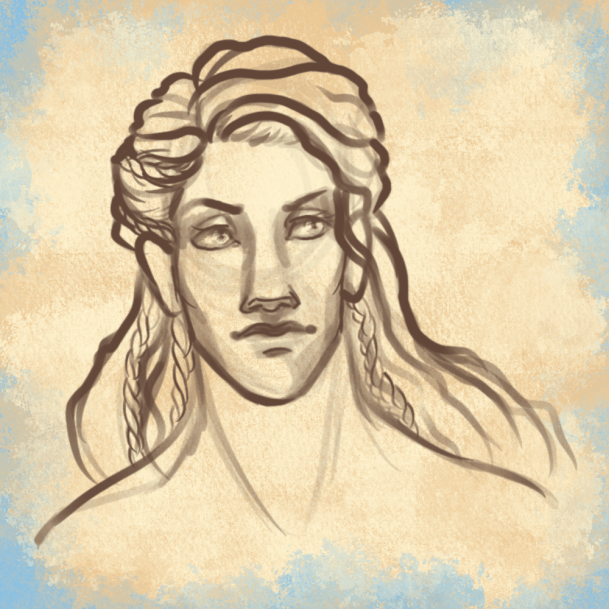
Physical Distinctions:
Avaari Traditions:
Locale: Aurgelmir Mountains of Lovalia
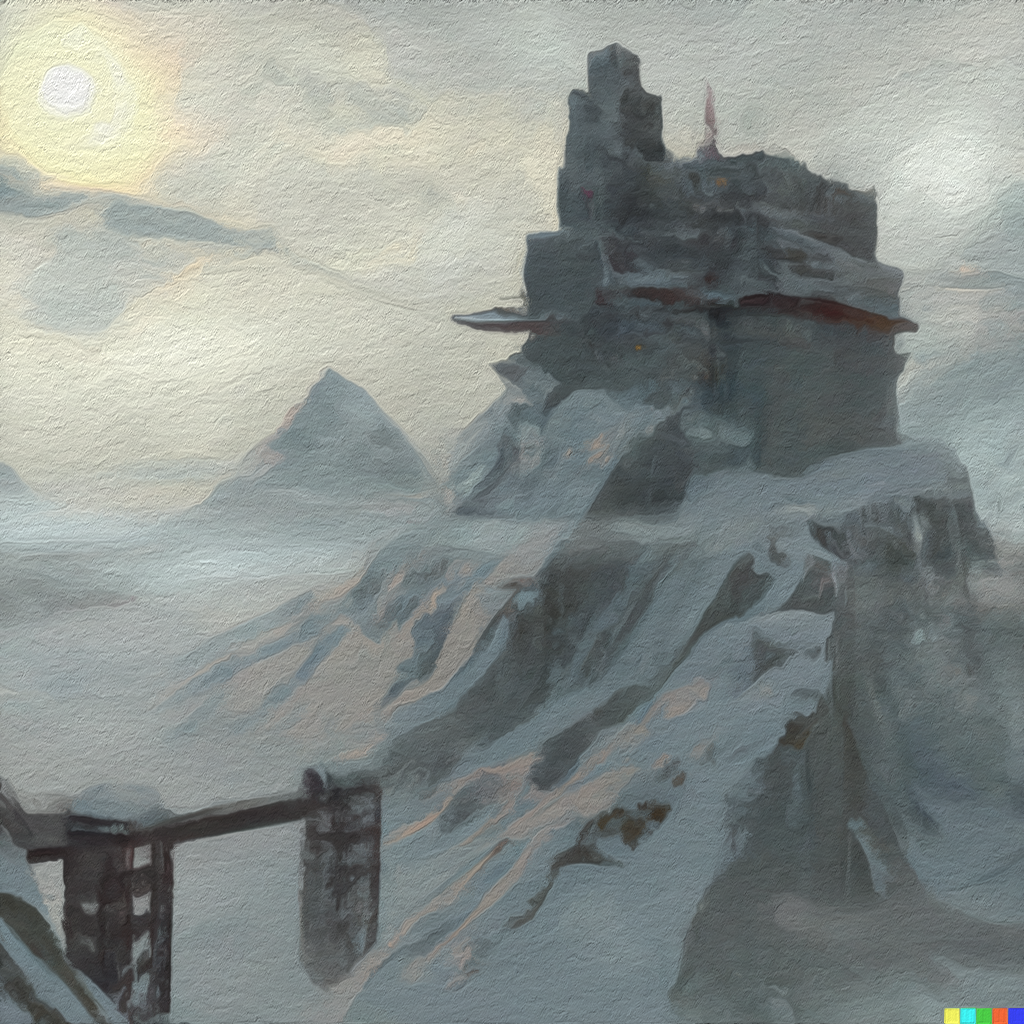
Masters of “moving like the wind”, the Freewinders live in the absolute heights of the Aurglemir Mountains, amongst a small collection of mountain top monasteries and cliff-face carved villages. In the earliest days the Freewinders were just the elite members of the Freewing monastery; whose final rites included arcane ritual tattooing of wings which granted the member the ability to fly on the blustery gusts that surrounded the monastery. Over time however the monastery grew in fame and small artisan villages began to pop up in the large cliff faces nearby. Over time, the ever inquisitive minds of the non-monastic population even found ways to adapt to the difficult terrain through mechanical means including wind sails, animal companions, and many other inventive means. While these Freewind communities are still relatively small, since the founding of the Beanut Queendom, people from all regions of the world have begun traveling to try living the Freewind way.
Clothing and Style
Description
Goatlanders
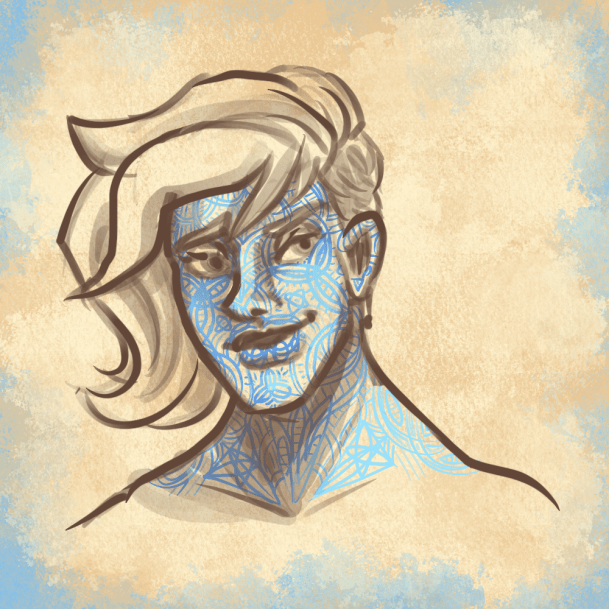
Physical Distinctions:
Avaari Traditions:
Locale: The Bearded Crescent
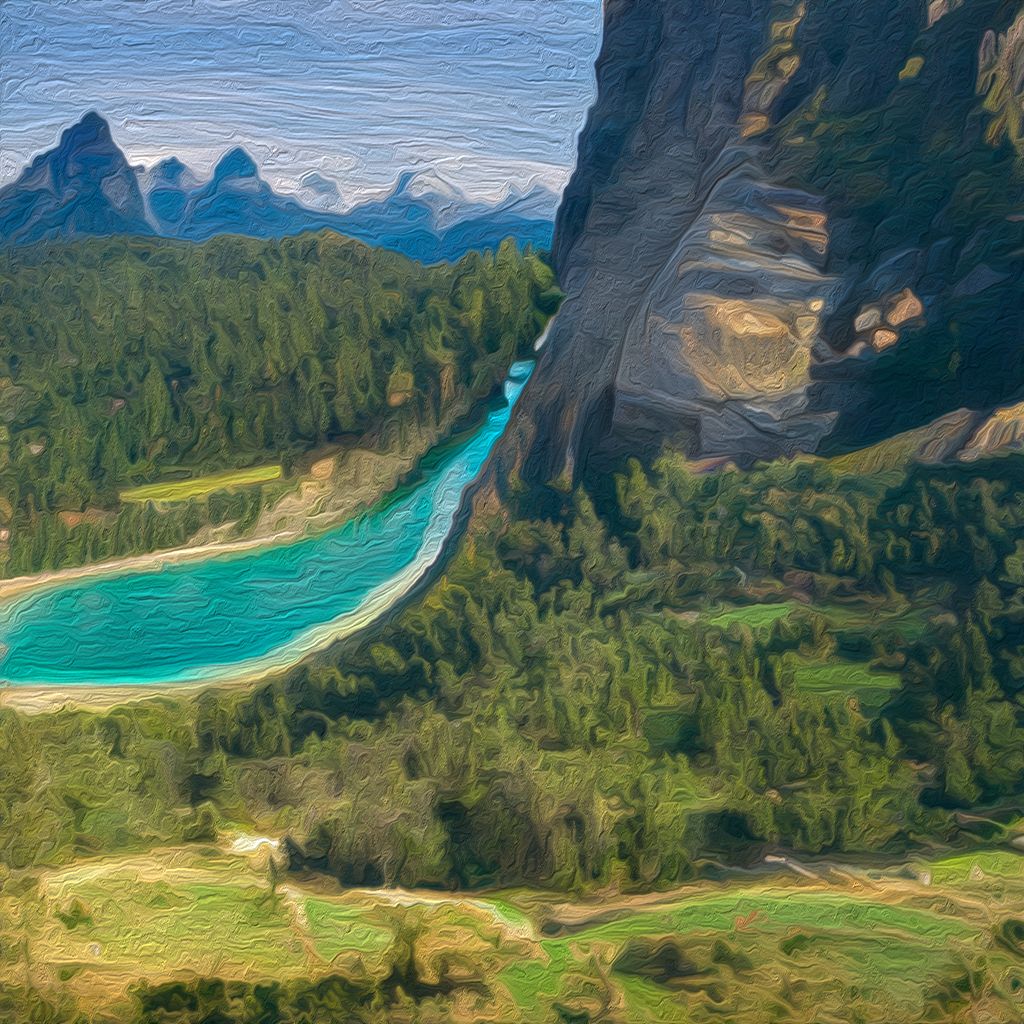
Calling the Goatlanders a collective people is a mistake, in reality it is a way of life that challenges even the greatest athletes and ascetics. Early in Magnus’s life he committed to an act of sheer isolation, hoping to attain the spiritual oneness he knew he would require to lead all of his people. He lived in total isolation on the shattered peak of a cliff deep within the Bearded Crescent. Battered by loneliness, the turbulent winds, and lack of basic necessities, Magnus came to know the truth in life and used his extended time here to reach a personal enlightenment. This is the life and reality of the Goatlanders, who strive to survive in the same conditions that Magnus himself faced; the greatest of these monks have been known to spend decades in isolation before choosing to return to the greater world.
Clothing and Style
Description
Winterlanders

Physical Distinctions:
Avaari Traditions:
Locale: White Wastes of Lovalia
Hidden deep in the Fjords that dot the western coast of the White Wastes, live the Winterland people. These Lovalians have built a life amongst the geothermal pools and crevices that offer refuge from the frozen coastal winds and icy plateaus that surround them. With the land offering little in the way of sustenance, the Winterlanders have become adept at harvesting the bounty of the sea, and masters of navigating the icy bays they call home. Many of the goods they harvest have become exotic goods, prized across the lands. The most notorious of these goods often require putting one’s own life at risk to collect; like the near impervious hide of the mountain yeti, the delicacy of Blackfish caviar, only harvestable in underwater caves. Despite the risk, the Winterland people take the challenge head on, lusting for the thrill that comes with the peril.
Clothing and Style
Description
Norloval Stats
Subgroups
Freewinders
Goatlanders
Winterlanders
Preferred Classes
Monk
Barbarian
Norloval Languages
Known
As a Norloval, your life has been spent in the isolated Frostlands of the north, and you have been exposed to little outside influence. Your native language is Loval, and so you are also able to communicate at a basic level in Tok, Loval’s sister language. You are also familiar enough with Common, but you can neither read nor write in Common or Tok.
[3] Native:
[2] Studied:
<none>
Learnable
Norloval Unique Feature
Survivalist
Survival Proficiency+
You gain proficiency in the Survival skill and may double your proficiency bonus on all Survival skill checks.
Southlanders

Physical Distinctions:
Avaari Traditions:
Locale: Various Locations
Southlanders is a broad term that refers to the wide variety of Lovalians that live outside the Loval Mountains. Whether it be the sturdy dockhands that roam the seas and rivers of the lands, philosophers and teachers crowding the urban learning centers of the south, or the wild thrill seekers that dare to challenge the world’s most treacherous environments, Southlanders come from a multitude of backgrounds and locations. Despite this diversity, Lovalians and Southlanders in particular, are notoriously curious, pensive, and just people; they are welcomed warmly in almost every region of the world and often make the most loyal and devoted citizens. Southlanders make excellent politicians, students, teachers, advisors, and entertainers; bringing fresh new ideas, new ways of learning, and endless jolly to those that take the time to get to know these citizens of the world.
Clothing and Style
Description
Southlander Stats
Preferred Classes
Monk
Bard
Southlander Languages
Known
Learnable
Southlander Unique Feature
Crowd Pleaser
Lovalians just know how to get a crowd going.

Performance Advantage
When attempting a Performance skill check, if you are performing before a participating crowd (at least double digits) you may roll the check with advantage.
Naming Traditions
Lovalian names are older in style than most other cultures, tracing back to the height of the Lovalian Kingdom and the ancestral names of these first native folk. Whereas a first name is given by the parents, Lovalians choose their second name later in life, usually around or after their rites of maturity; these names reflect personal accomplishment or powers, though many Lovalians elect to take on their family name out of respect, or a lack of world experience.
Traditional Feminine Names:
Arnkatla, Aslaug, Astrid, Bergthora, Bera, Brynhild, Dagny, Eirunn, Elin, Freydis, Frida, Gerd, Gudruna, Hafna, Helga, Inga, Ingrida, Jorunn, Kára, Kari, Lina, Liv, Magnhild, Mœid, Njordis, Nora, Ragna, Ragnhild, Saga, Sæunn, Signy, Sif, Solveig, Thorballa, Thora, Thyri, Tora, Ulfheid, Una, Valka, Vigdis, Ylva, Yrsa
Traditional Masculine Names:
Ærinmund, Agnar, Bjalki, Birger, Dagfinn, Einar, Erling, Evrik, Finnvid, Geldn, Gormund, Gunnlæif, Hakon, Hrafnvartr, Ingvar, Jorund, Koll, Knut, Leif, Magnus, Maelis, Njal, Orrin, Orvar, Oystæin, Ragnar, Sigurd, Sirk, Thord, Thorvald, Ulfar, Vali, Wulfgar, Yngvar
Traditional Family Names:
Airborn, Cliffclimber, Falkr, Grundir, Jannthar, Kathrek, Kindrikn, Koroondotter, Manyleaves, Peacepeaks, Puresnow, Reynafn, Skandir, Starsworn, Surewind, Thruvnir, Yonkrit
 The Beanut Lands