

FOUNDATION: CULTURES
The second part of determining any Beanutian’s identity is their Culture.
For most people, their Culture consists of the combined circumstances of their surroundings during their formative years, and in some cases the most influential time in their life. This includes the Land they consider home, the people they consider family, and the ideals and traditions they hold fast to.
Within The Beanut Lands, the vast and varied cultures are innumerable. For the purposes of roleplay, however, our historians have divided them into a distinctive list of thirty-three unique, dynamic cultures which will provide any player with a clear understanding of their character’s upbringing. There are three native cultures for each of the ten Species of the world, as well as three additional cultures representing the “melting pot” of diversity in the Crownlands, which have been heavily inspired by many cultures from around the world.
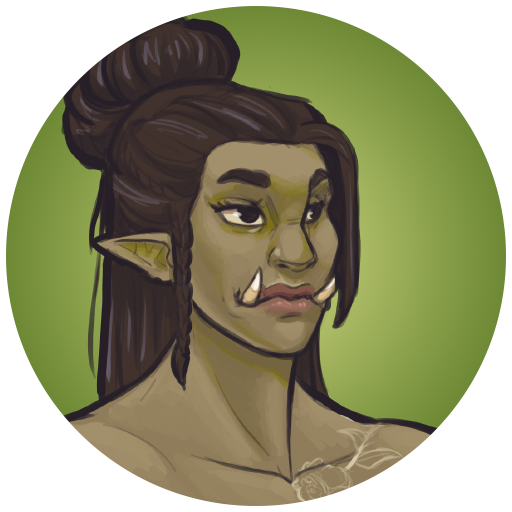
Kartaki
Torgali Native Culture
The people that live amongst the dense networks of rivers and towers around the source of the Kartakaum River, primarily densely localized around the city towers of Kartakai.
Home Land
Torgalia (Urban)
– Kartakai City
– Kartakaum River Valley
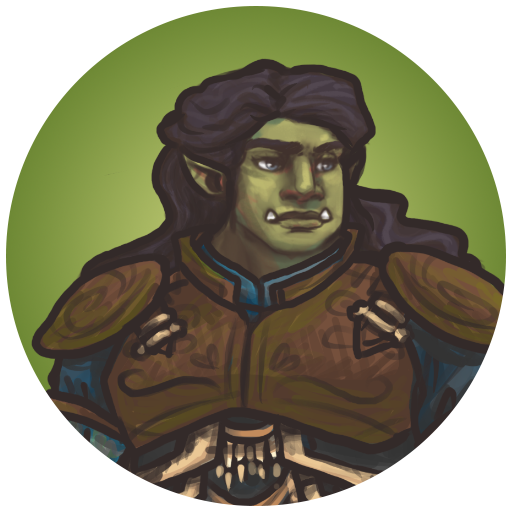
Tenkabi
Torgali Native Culture
This represents a large population of the people in Torgalia and the surrounding Wilds. They all share traditional Torgali values borne of survival.
Home Land
Torgalia (Rural/Isolated)
Upland Reach
Ma-Pak-Kura Wilds,
Elder Fang Mountains
Nettle Forest (Rural/Isolated)
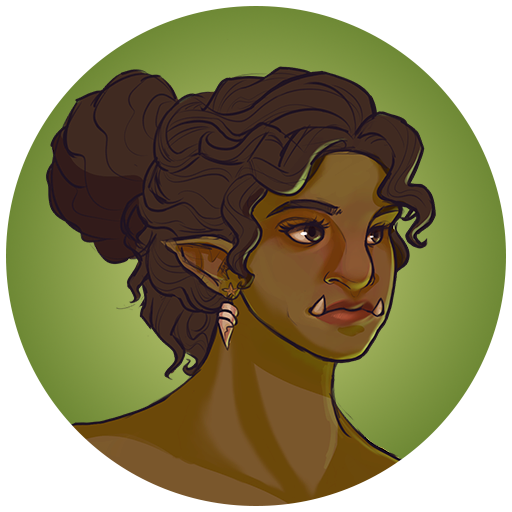
Mau’kali
Torgali Native Culture
People who live in the tropical southern and eastern coastlines, islands, and marshes known as the “Edgelands”.
Home Land
Torgalia (Rural)
– Coastal Edgelands

Stonefoot
Torgali Non-Native Moniker
People who were born or raised with a non-native culture are often referred to with a moniker such as this. While these monikers are primarily started by the native people of their ancestral homelands, it is often used world-wide as an honorific term in polite conversation, in lieu of referring directly to a person’s species or appearance.
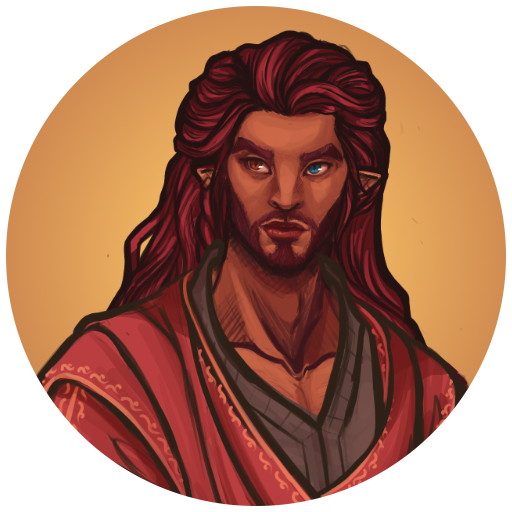
Oasin
Canzian Native Culture
A never-ending cavalcade of various nomadic clans whose lives and livelihoods revolve around the mysterious Wandering Oasis
Home Land
Canzia
– The Wandering Oasis
Hinlands
– Poshan
– Willory Steppes
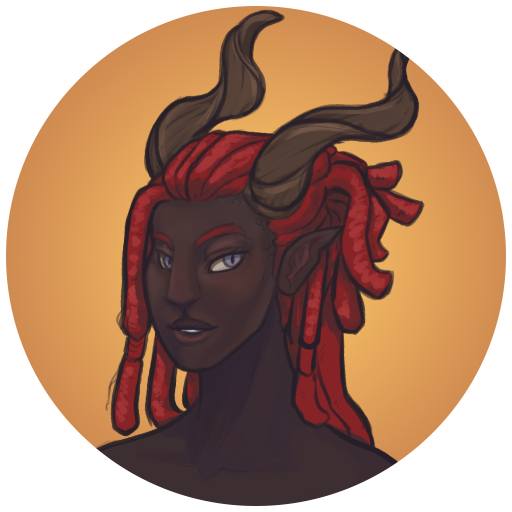
Mkase
Canzian Native Culture
The rough-living ridgelanders, highlanders, and canyon dwellers of the most punishing, arid, southern regions of the Beanut Lands.
Home Land
Canzia
– The Red Highlands
– Rafriac Region
– Barren Borderlands
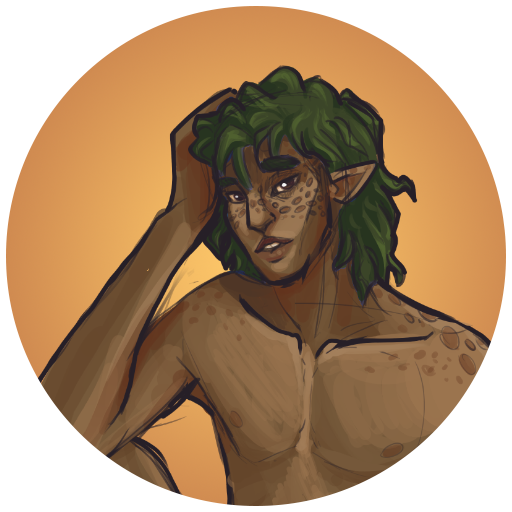
Ukamimba
Canzian Native Culture
Primarily residing on the southeastern coasts of Canzia, the Ukamimba have developed a special relationship with their spiritual selves. They often endeavor to reach beyond the physical world, even if it comes at a cost.
Home Land
Canzia
– Southern Coastlands
– Red Highlands
The Brittle Break
– Starspires
– Brittle Bay

Silkskin
Canzian Non-Native Moniker

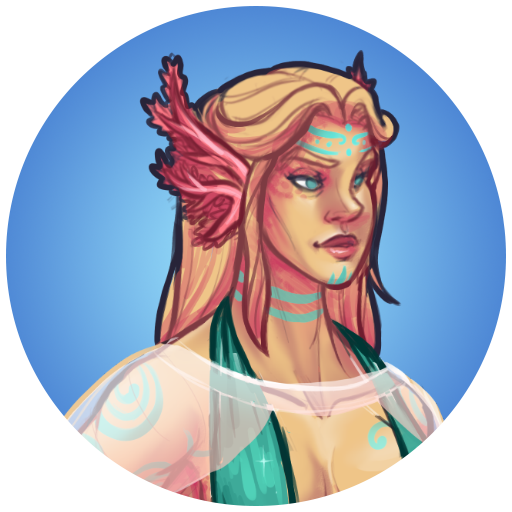
Altoval
Lovalian Native Culture
While the comfortable and cultured Altoval live in the shadow of the Golden Days of Lovalia, they still honor timeless traditions of their elders and provide a heavy influence on the world’s educational systems, historical records, and the arts.
Home Land
Lovalia (Urban)
– Poraval
– Whistling Steppes
– Toremound
– Pine Cove
– Muspelheim
– Oakenheim
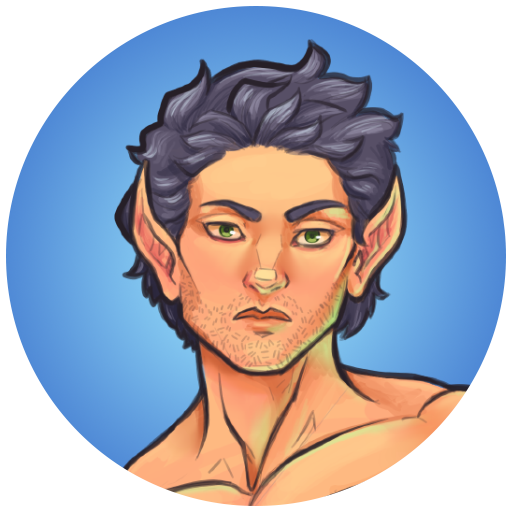
Greunval
Lovalian Native Culture
Regardless of Lovalia’s political rise and decline, the Greunval have always been the same: hardworking folks who value the small blessings of the rural areas of Lovalia, when the cold season is over. Many Greunval communities revolve around carpentry, masonry, and other crafts that make expert use of Lovalia’s unique natural resources.
Home Land
Lovalia (Rural)
– Toremound
– Pine Cove
– Oakenheim
– Vorn
– Brumi
– Whistling Steppes

Norloval
Lovalian Native Culture
The Norlovalian people spend their lives without flair or fashion, instead finding value within themselves. Enduring the harsh frozen Wastes, Mountains, and icy waters of the deep north, these people are often found in rapt contemplation and reflection.
Home Land
Lovalia (Isolated)
– Aurgelmir Mountains
– White Wastes
Bearded Crescent
Nettle Forest
– Northern Tundra
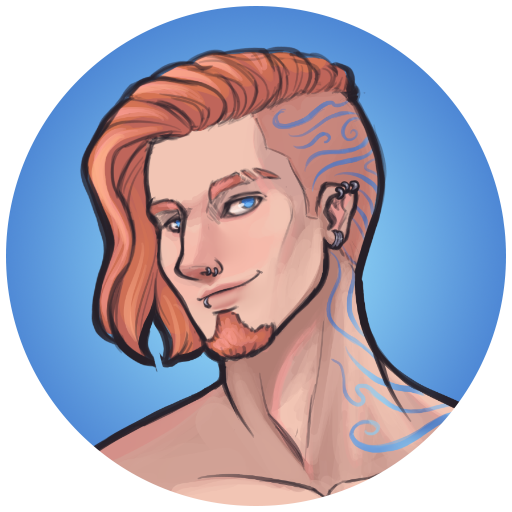
Southlander
Lovalian Non-Native Moniker


Danuvican
Dawi Native Culture
Danuvicans value personal achievement and advancement above all else. Raised to honor both physical regimens and educational routine, the Danuvicans are taught that stricture breeds excellence. Their unique ways of military and educational training has proven extremely effective against the standards of the wider world, but often causes them to come across as strange.
Home Land
Danuvica (Urban)
– Kormitus
– Nornvirn
– Dagonerus
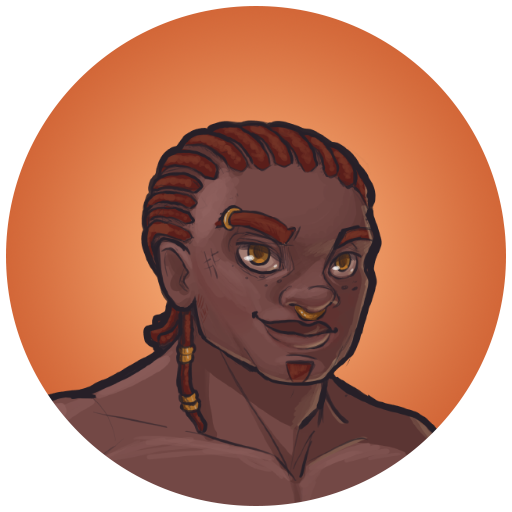
Arcanican
Dawi Native Culture
Similar to other Dawi cultures, the Arcanicans hold personal and collective achievement very dear to their hearts, and rarely stray from their ideals of strict scheduling and ethics. However, the Arcanicans prefer to experience more of the world in order to further solidify their own understanding of their culture as it pertains the greater picture.
Home Land
Surface Lands (Urban)
– Brittle Spine
– Hinlands
– Any settlement with a Library or Academy

Nostrovican
Dawi Native Culture
Nostrovicans prefer to keep to themselves, not necessarily out of hate or fear of the outside world, but because they tend to be brimming with ideas, innovations, and ingenuity. They have no time for the silly outside world and its politics, people, or predetermined rules. Like other Dawi cultures, Nostrovicans have a love for structure and process, but they tend to have their own way of doing things that might seem bizarre to others.
Home Land
Danuvica (Ubran/Rural)
– Marinot
Surface Lands
– Grave Barrens
– Crownlands Velvet Valley

Adoptist
Dawi Non-Native Moniker


Nymbi
Faekin Native Culture
The Nymbi-kin are one of the most atypical cultures of the entire Beanut Lands, due to the fact that they never experience the outside world. While that does not make it a unique culture itself, the near-millennia lifespan of most Faekin Nymbi has created a strange, leisurely pace of life that seems to never focus on the future or past, even for those who happen to be of other species. Nymbi live in the moment, doing what they want when they want without considering consequence.
Home Land
Harmonious Glen

Wyndi
Faekin Native Culture
Though they may be the most worldly of all Faekin cultures, the Wyndi-kin still live their lives with a freedom and whimsy that brings inspiration to others. Spreading excitement and drama, the Wyndi are often seen performing in theatre troupes, engaging in the world’s politics, and generally interacting with high society and commoners alike.
Home Land
Crownlands
Heartlands
Willonia
Hinlands

Sylki
Faekin Native Culture
Uniquely linked with the Wonderkin of the Grimlands, the Sylki have developed their own sister-culture that complements and also challenges the views and values of the Grimkin majority. The Sylki people work hard to elevate the quality of life in the Grimlands and provide wisdom to their neighbors. They never underestimate the power of information, influence, and insight.
Home Land
Grimlands: (Urban)
– Waldovia
– Steplands

Fadewing
Faekin Non-Native Moniker

Deltren
Bodren Native Culture
The Deltren people hold deep significance to their connection with water, and often schedule their lives around its importance, but have otherwise assimilated with the modern world at large, residing on land most of the time. The majority of Deltren people live, as their name implies, in and around the river deltas of the central Beanut Lands, primarily the Heartlands and Brittle Bog.
Home Land
Brittle Bog: (Urban)
– Willidren Shelf
– Mylovian Fen
Heartlands: (Urban)
– Everpetal
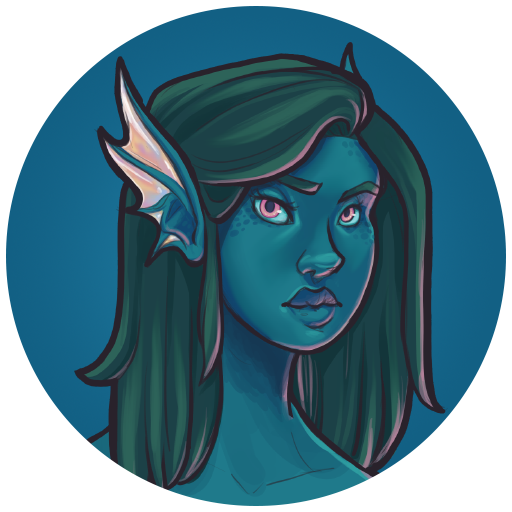
Hydren
Bodren Native Culture
The Hydren people are what most outsiders think of when they hear of the denizens of the Brittle Bog. Living near to equal portions of their lives between the water and land and primarily consisting of farmers, ranchers, and homesteaders, the Hydren people maintain communities that are independent, but still welcoming to outsiders on their travels in the Bog.
Home Land
Brittle Bog: (Rural)
– Willidren Shelf
– Mylovian Fen
– Fang Reach
Heartlands:
– Twintails Riverlands
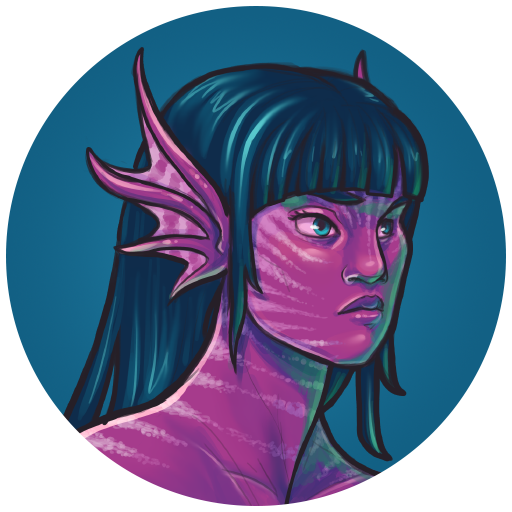
Merdren
Bodren Native Culture
The Merdren are the people who have adopted the most aquatically active life, many living and residing predominantly within the deeper waters of the Bog and southern Brittle Bay.
Home Land
Brittle Bog: (Isolated)
– Sidren
– Rootport
Brittle Bay (Isolated)
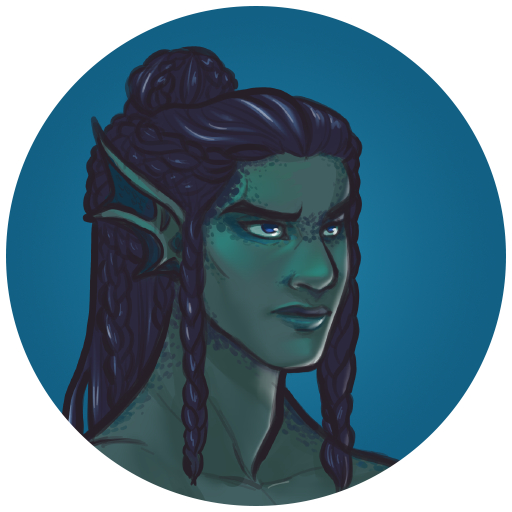
Lyndren
Bodren Non-Native Moniker


Wetwood
Fangren Native Culture
Stitched together from numerous small and isolated peoples that inhabit the lowland forests and coastal regions that were created at the merging of the Forest and Bog, the Wetwoods once referred only to the people of Gurbodden. The term has stretched to include all the Fangren people who live in the less dense region of the forest; their close relationship with the Deltren people and inclusion of some shared Bodren traditions have seperated them from the Tangleroot people.
Home Land
Nettle Forest: (Rural)
– Gurbodden
Brittle Bog: (Urban/Rural)
Heartlands: (Urban/Rural)
Crownlands (Urban/Rural)

Tangleroot
Fangren Native Culture
The Tangleroots are the largest cultural group of the Fangren, representing the vast swath of peoples that live within the heart of the Nettle Forest.
Home Land
Nettle Forest: (Isolated)
– Bramblewood
– Elderwood Deep
– Lilibaguli Valley
– Upland Reach
– Rekano Ridge
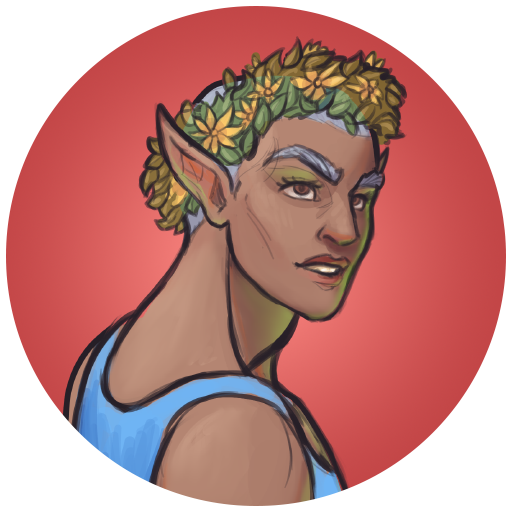
Ghostoak
Fangren Native Culture
North of the Frostfoot River that bisects the upper regions of the Nettle Forest live the Ghostoak people. Made up of smaller tribal clans in a loose trade federation, these people survive as masters of hunting and trapping in the frost covered lands they call home.
Home Land
Nettle Forest: (Isolated)
– Snowpines
– Northern Tundra
Bearded Crescent
Lovalia:
– White Wastes
-Aurgelmir Mountains

Sunfield
Fangren Non-Native Moniker

Colonian
Willonian Native Culture
The Colonians predominantly populate Willonia itself, the greatest fertile agricultural center on the continent. Their short life span and ambitious temperament have led them to multiple population booms. Characterized primarily by their adherence to progressive, industrial, and capital ideals, the Colonians do not seek to conquer other people of the world, but rather to elevate the whole world to a modern way of life.
Home Land
Willonia (Urban/Rural)

Nolian
Willonian Native Culture
Nolians are a people who exist and benefit from the modern industrialization of Willonia, but who actively resist the existing Willonian Government structure, undermining laws and values that Colonians have put in place over the last few centuries. Within the modern society, Nolians are a minority voice who tend to romanticize other cultures, attempting to adopt their ideals and aim to influence Willonia to do the same.
Home Land
Willonia (Urban/Rural)
Armadian
Willonian Native Culture
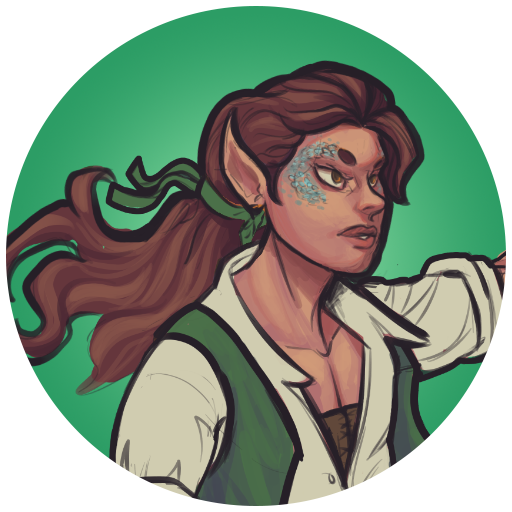
The Armadians are comprised of the small communities, sporadic towns and villages that dot the northern and western coasts of the Willonia’s fringe territories. Much less industrialized and developed than the surrounding lands, these people lack the inter-regional influence and government that most other Willonian communities have adopted, but they keep stronger ties to their traditions and culture from a previously seafaring lifestyle.
Home Land
Willonia:
– Westlands
– Port Province
– Ginty Norlands Province
Crownlands:
– Altheim
Bēnovian
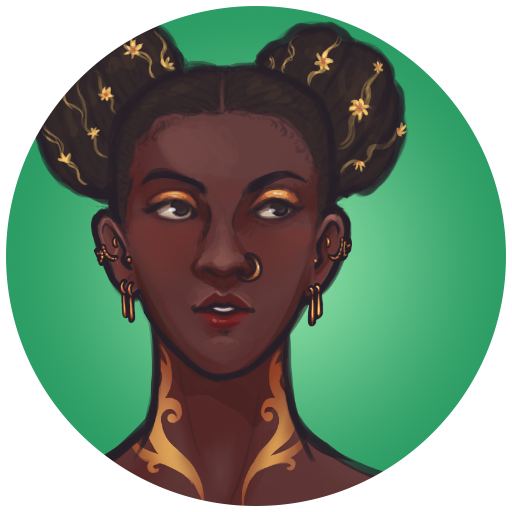
Willonian Non-Native Moniker


Bandy
Hinfolk Native Culture
The most widely-seen culture of the Hinfolk are the Bandy– those who love to travel, trade, and experience the world for all of its wonder. While they spend most of their time experiencing this joy of interacting wth diverse people and learning about the world at large, the Bandy people still consider the Hinlands their home, and may one day return therewhen they have had their fill of adventure.
Home Land
Hinlands
Yokee
Hinfolk Native Culture
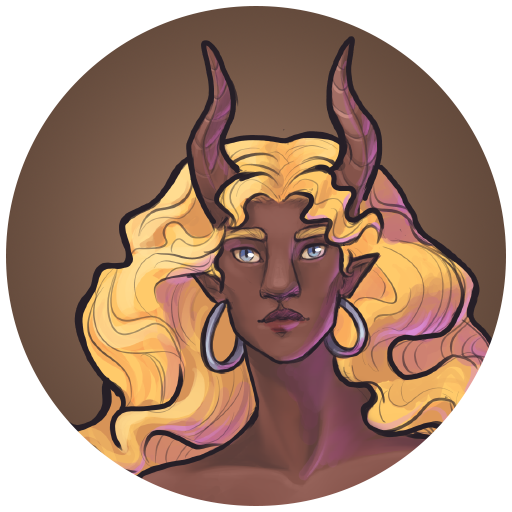
While the Yokee have much in common with the Bandy people, as they do a good deal of traveling, they usually have an established home, family, or ties to a particular place that always brings them back to the Hinlands. Their connection to that home often causes people to mistake them for a Hearthie as well.
Home Land
Hinlands

Hearthie
Hinfolk Native Culture
These people have decided to put down roots in one place, and they rarely leave whatever home they find themselves in. Most Hearthie are located in the Hinlands, enjoying their time with family and friends, and providing services and duties to their local hometown.
Home Land
Hinlands

Vari-hin
Hinfolk Non-Native Moniker
Wonderkin
Grimkin Native Culture
The more culturally assimilated people of The Grimlands, primarily made up of the Grimkin of Waldovia and the Steplands, but also includes the people in the wider world as well. Wonderkin often find themselves pursuing a trade, craft, or occupation directly related to their own passions, rather than something that provides money or fits the expectations of others.
Home Land
Grimlands: (Urban/Rural)
– Waldovia
– Steplands
Cavernkin
Grimkin Native Culture
The isolated pockets of deep-cave smallfolk who rarely see the light of the sun. They have a strange and wild culture, created from a extreme levels of caution, silence, and survival in the threatening darkness.
Home Land
Grimlands: (Rural/Isolated)
– Lumina
– Delveron

Greyrock
Grimkin Native Culture
The more private-living Grimkin, both near the surface and underground, who primarily live in the western Stormlands area of the Grimlands. The Greyrock people have a particular affinity for elemental magic, as it has historically shaped their region, traditions, and beliefs.
Home Land
Grimlands:
– Stormlands

Brightkin
Grimkin Non-Native Moniker
Masquen
Crownlander Native Culture
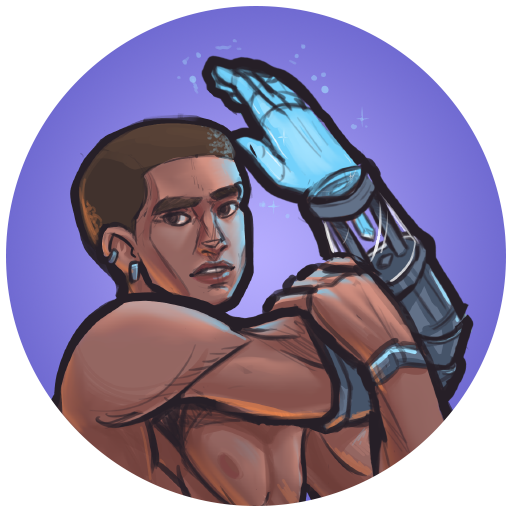
Blessed by the bounty of diversity, trade, and convenience, Masquen truly benefit from all the wonders of the Beanut Lands being within reach at a moments notice. All denizens of the urban Crownlands are provided with a formal education that encourages understanding of people from all walks of life, but often means Masquen aren’t as equipped to endure harsher environments outside the comforts of a city.
Home Land
Crownlands (Urban)

Milona
Crownlander Native Culture
While Milona may not have the same comforts as City Dwellers, they also retain a great deal of that Crownlander convenience. Thanks to a simpler, more social lifestyle, they are more equipped to get along with just about anyone, but most have not trained to be particularly capable in physical endeavors.
Home Land
Crownlands (Villages)
Maybraun
Crownlander Native Culture
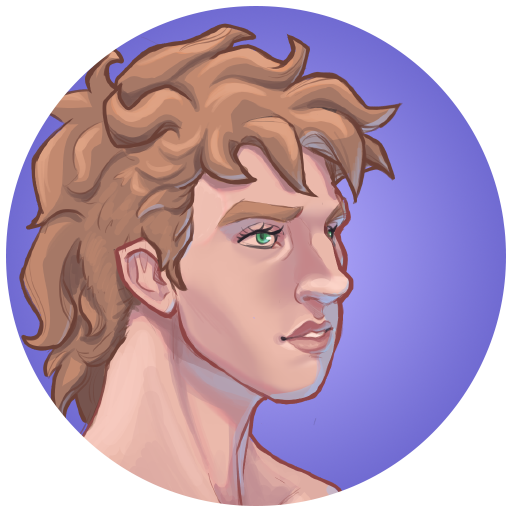
Maybraun experience Crownlander life differently than most of the others, earning their convenience through neighborly connection and understanding, rather than formal education or regular trade with outsiders. Inhabiting the more expansive fields, evergreen woods, and mountain ranges on the fringes of the Crownlands, Maybraun collect and export most of the natural resources unique to the Crownlands, including the bird leaves that are used at the Imperial Currency.
Home Land
Crownlands (Rural)

 The Beanut Lands