
NAMES
OF THE BEANUT LANDS
Within this page, you’ll find an extensive study of the naming conventions of the people of the Beanut Lands, from the southern desert lands to the northern tundras of the ancient forests. With many combinations of species, cultures, and influences across the world, naming a character in the world can feel like a full project. Thankfully, with the help of our esteemed Beanut Lands Historians, we have compiled some excerpts of information on many of the usual characteristics of a person’s name. We hope this compiled information helps you to understand what name may be best for your character.
For more detailed information on each of the major influences that affect Naming Conventions, please see the pages linked below:

Varian Language Family
The Varian languages are now spoken by well over 80% of the continent, and Common is the only known language of at least 50% of current living Crownlands denizens. Along with this linguistic ubiquity have come many merging cultural conventions, none are as clearly apparent as the naming conventions of the Common-speaking people. A long record of history can show how many shared names once diverged in the isolation of the past but have once again begun fusing into a more monolithic cross-culture. While Imperial and Common naming conventions have become commonplace amongst speakers of other Varian-based languages, each culture has maintained distinct conventions that become much more apparent when inspecting populations closer to their cultural centers.
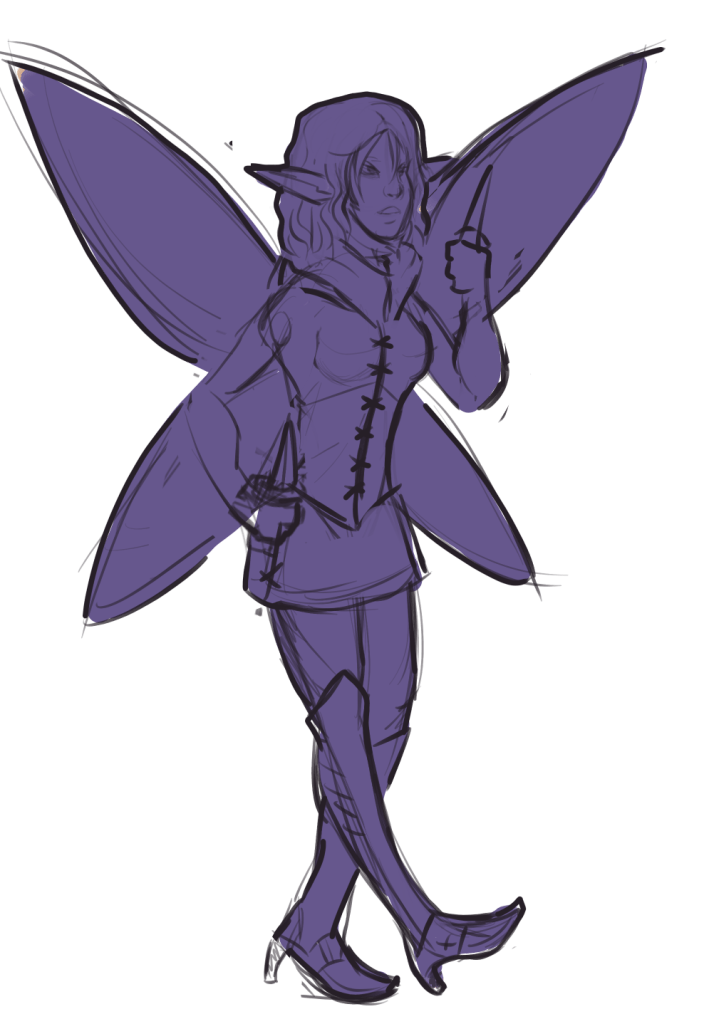
New Imperial Standard
Imperial First Names
Common Native Cultures:
Familiar Non-Native Cultures:
Born from the nascent Imperial system, a truly cross-cultural naming culture has developed in dense urban environments such as the cities of Altakai, Remisley, and Everpetal; here we see nearly any constraint of language or culture dropped, as merging communities borrow names with fervent ferocity. It would appear the Hinfolk’s affinity for names has truly infected this culture. It is particularly common to see children responding to names one would never associate with their appearances, heavily influenced by the communities’ more recent access to beloved art and stories of other cultures, spreading the name of historical leaders, lovers, and other memorable characters. While these conventions almost always retain the common letter system, it does have incredible fluidity in spelling choices, (sometimes even confusingly so) to maintain traditional spellings in lieu of modern grammatical rules. Along with this fluidity, the sources, origins, and possible meanings of these names often get muddied as individuals fuse names with new intention. These conventions still have a strong Common backbone but certainly have adopted names previously kept out of the culture due to linguistic incompatibilities.
Feminine Names
Adeliade, Alexandra, Amara, Beatrice, Blossom, Brigitte, Coco, Coralie, Elaria, Elowyn, Faith, Gisela, Guinevere, Helga, Jasmine, Kristen, Leena, Lorelei, Magdalena, Marigold, Matilda, Mikaela, Naya, Raven, Rosalyn, Serenity, Talal, Vivica, Willow, Ysolde
Fluid Names
Archer, Aubrey, Berry, Clementine, Finn, Hazel, Jesse, Moss, Olive, Quill
Masculine Names
Alaric, Ardin, Auriel, Basil, Berrick, Briogan, Caleb, Cedric, Damian, Dorian, Florian, Gideon, Hawthorne, Isaac, Jasper, Kellen, Lumis, Magnus, Merrick, Micah, Ophelion, Quincy, Rex, Sigurd, Theodore, Uhtric, Valerian, Waelithor, Waylin, Xander
Imperial Family Names
Common Native Cultures:
Familiar Non-Native Cultures:
Much like the unrestricted nature of first names, family names come from every influence and have such a wide diversity that any noticeable growing formality has yet to reveal itself. There are however many newer citizens who come to the burgeoning Imperial lands abandoning (or never having) a second, family, or clan name; amongst these citizens it has become extremely common that they take a name they feel represents their ethos, skill set, or general demeanor.
The two most noticeably common conventions are taking “Namesake” names and “Professionalist” names; the former being particularly favored by Sylvans, the latter most common amongst Individuals of Tok Heritage. Both typically take the form of compounding two words into a more descriptive duet, a practice that is very typical of all Common-speaking cultures.
Namesake Family Names
Applepit, Barkwind, Coralgrove, Duskrock, Emberly, Fernshade, Glimmer, Greenstone, Hazelnut, Kaleidoscope, Lichengrove, Lightbird, Manevale, Mixedseed, Moonblossom, Mosswood, Oakendale, Obsidian, Petalpool, Pinkwing, Puddles, Rosebloom, Royal, Sagesmoke, Silvereye, Shadypool, Softbranch, Starfield, Sweetsmell, Zyphyr
Professionalist Family Names
Berrywell, Broadback, Coallier, Crownkeeper, Farrier, Farfind, Fielder, Flintwell, Greyslate, Happybelly, Kingfish, Littleward, Longwheat, Lumberrun, Merchant, Neighbright, Nightowl, Ploughton, Porter, Quietwords, Shieldsworn, Smithson, Spiritkeeper, Standlong, Sweetred, Tallhat, Templeton, Tumblesky, Whitewalls, Woodflower
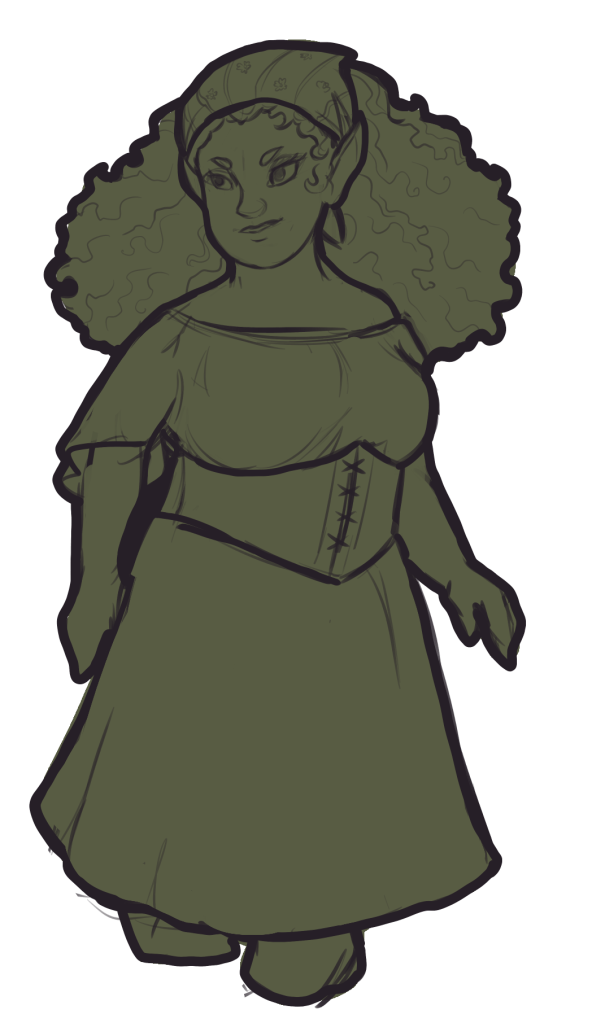
Common Standard
The Varian people have been some of the greatest travelers of the world, finding multitudes of reasons to continue their travels, be it trade-, scholastic-, or entertainment-related. For generations, the Common language of the old Willory Hinfolk has spread as the expected language of trade, literature, and art, taking little cues throughout its evolution, from the many communities it abuts. Despite its close similarity to all of its Varian-based siblings, for most of history, the formalized Common of the Willory Hinfolk served as a privileged crypto-language for the educated and worldly, as very few actual commonfolk fully understood the grammatical and nuanced complications it contained. This changed greatly, however, with the arrival of the Willonian people; in the search for accelerated progress, most Willonian people learned the Common language as their primary language within one generation. Within three generations, Common replaced Armadic as the standardized language of formally-educated Willonian people. With this change, Common became the primary language of many regions of the continents, and soon Common was adopted as a secondary “Lingua Magna” for most cultures of the world. Thus the heavy majority of the Common Standard names are simple reinterpretations of well-known foreign names.
Shared Vari First Names
Common Native Cultures:
Familiar Non-Native Cultures:
Countless names are shared amongst the Varian-based languages, however these names come in a wide variety of spelling, pronunciations, and other nuances. In the most diverse areas, these names have come crashing into each other forming new and evolving variations. These names have such long histories in multiple cultures that it becomes hard to untangle from which culture the names and spelling truly originate. These names have seen particular favor amongst small-town and rural communities where a sense of community is stronger than individualism.
Feminine Names
Alberta, Annalisa, Benedetta, Brenna, Caitlín, Cesilie, Daniela, Edwina, Evelyn, Grace, Harriette, Irena, Judyth, Lucia, Marcellina, Olivia, Regina, Valeria, Wanda, Wilma
Fluid Names
(coming soon)
Masculine Names
Abel, Alarico, Archibald, Artur, Baldwin, Bertran, Castore, Clemens, Daniel, Elias, Finnian, Gilber, Hugo, Ira, Oliver, Paul, Sigmond, Wayland, Wilton, Yorrick
Modern Common First Names
Common Native Cultures:
Familiar Non-Native Cultures:
Alongside the many new, shared, fusion names, this culture has led much of the new name innovation of the last centuries, so much so that these names have begun to influence the cultures it was once reliant on for inspiration. These names are very popular in the densely populated cities and large towns of the Imperial Crownlands and Willonia, where folks look to find additional ways to shine amongst the large swaths of folks.
Feminine Names
Adison, Amelia, Chloe, Dahlia, Eliana, Fionala, Freya, Gwen, Jacqueline, Josephine, Lily, Lori, Madison, Molly, Natasia, Remy, Rosalind, Sabine, Tes, Victoria
Fluid Names
(coming soon)
Masculine Names
Adam, Aubren, Bensen, Booker, Buck, Clifford, Conrad, Dorian, Feliks, James, Lawrence, Levi, Mack, Mattias, Meriwether, Rory, Stanley, Trevor, Wolfgang, Zacharia
Common Family Names
Common Native Cultures:
Familiar Non-Native Cultures:
Family Names in the Common language conventions are heavily influenced by the practices of the Willonian people, who put a stress on the importance of the family name in a way few cultures ever did in history. These practices date back to the naval-nomadic times of the Willonians, in which their family names identified one of two things: the boat the owner or belonged to, or (if they were a skilled professional) the name of their profession.
In the modern times we see this practice continuing in a varied way, as the heavy majority of family names fall into one of three categories: location, profession, or in rarer cases, the vaunted names of the bloodlines and ships that plied the seas during their earlier history. Notably, the “Professionalist” names lack much of the flair of their Imperial counterparts, and the “Locationalist” names often still bear the Armadic word ‘Fen’, (often abbreviated as f’ before a vowel), to indicate their homeland, or ‘Cer’ in vaunted names to indication rulership over said location or historical fleet.
Locationalist Family Names
Applelane, Fen Braghlin, Fen Willow, f’Aurania, Lakeland, Midmorrth, Sheplar, Westmarch, Willorian
Professionalist Family Names
Baker, Carper, Cook, Fisher, Mason, Miller, Potter, Smith, Taylor, Weaver
Vaunted Family Names
Athursson, Bloodsails, Broadkeel, Cer’Kastormasts, Cer’Valendorn, Ginty-Harland, Mastwoods, Silversilk, Titanhelm, Whitecliffs
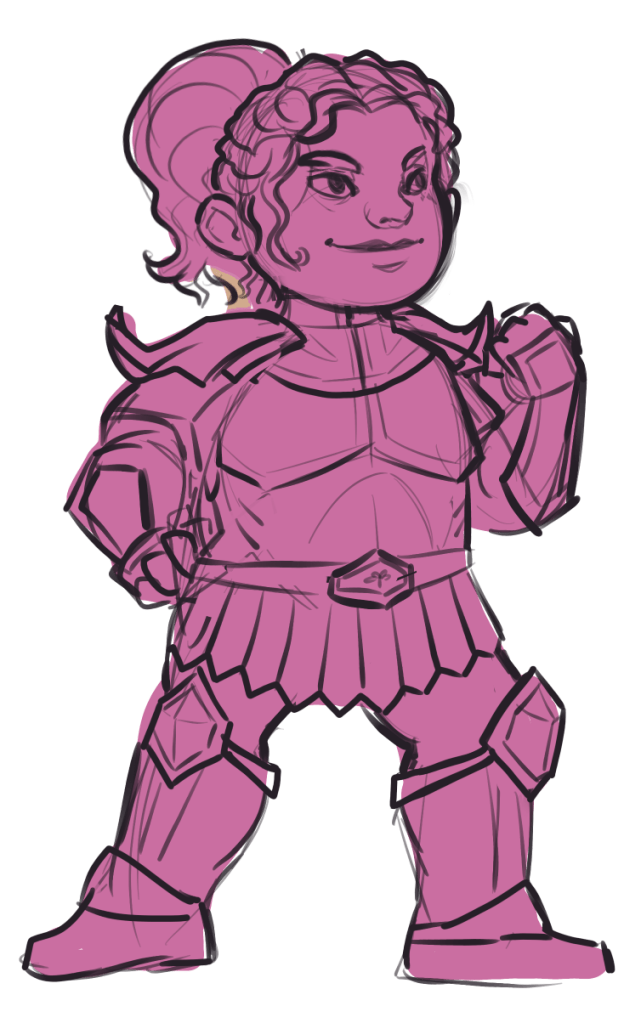
Hinnish Cultural Standard
Hinnish names are some of the oldest known names in written record, and have thus evolved greatly over the span of history. Despite their close similarity to existing Common names, traditional Hinnish names have an unmistakable, sing-song style and are often devoid of any harsh or sharp consonant sounds. Amongst their shared and historic names, they generally represent the most soft and Sylvan-influenced spelling and pronunciations of Varian names. This Sylvan influence extends as far as to making “Namesake” names much more prevalent than in any other Varian culture, and the distinct infrequency of the letters j, k, and x outside of loan names.
Shared Vari First Names
Common Native Culture:
Familiar Non-Native Cultures:
The Hinnish variants of the commonly-shared Varian names are distinct in their appearance in the group, as they represent the least formal (and most pleasant to say) version of each name. This comes from generations of caravan merchants that traveled the world looking to be welcome wherever they roamed. They quickly found the warm, pleasant nature of the names may put foreigners at ease, as the names were vaguely familiar, easy to pronounce, soft on the ears, and quick to remember.
Feminine Names
Adele, Andi, Assa, Athea, Bertie, Bree, Brenyln, Clara, Dani, Effie, Faldara, Giogina, Harietta, Kyra, Livie, Lottie, Marcyna, Marymer, Xanthea, Zhara
Fluid Names
(coming soon)
Masculine Names
Alarich, Alfie, Auril, Bartleby, Basil, Benu, Branlym, Brus, Chessy, Cy, Drew, Emilio, Faldo, Gilber, Harrison, Henri, Marcin, Orian, Stefano, Zaver
Traditional Hinnish First Names
Common Native Culture:
Familiar Non-Native Cultures:
These Hinnish names have certainly evolved with time, but their ancient roots are apparent, and still tied to historic individuals and legends. These names have most resisted the influences on foreign language, and are most common in areas with long-standing, predominantly Hinfolk communities. These names often push the joyous sing-song nature of Hinnish names to the maximum, and are often used in theatrical art to indicate characters that pose no threat to the protagonist of the performance, and will likely be an unrecognized ally.
Feminine Names
Aria, Bredove, Callile, Celandine, Diavira, Emylyna, Erelieva, Fayara, Gaila, Gelsira, Maya , Nerana, Oratina, Prula, Shaevyre, Teffania, Weleni, Yoyola, Zefdove, Zinnia
Fluid Names
(coming soon)
Masculine Names
Annix, Baryas, Colyn, Elbin, Finmin, Hamelin, Linras, Marpos, Merfer, Norhace, Oriyas, Osdal, Panamin, Riras, Salvestro, Teamin, Valemin, Weylin, Yabl, Yaris
Modern Hinnish First Names
Common Native Cultures:
Familiar Non-Native Cultures:
Due to the great density of historical and borrowed names in most Hinnish naming convention, names that are distinctly ‘Hinfolk’ have begun to dilute, diffusing into the greater Common and Imperial cultures. While many Hinfolk see this as a good thing, some still hold the concept that personal identity is of growing importance in a world that is become more homogeneous. Not wanting to lose control over their own distinct culture many modern Hinfolk have taken to inventing entirely new names with no representation in other cultures, creating some truly unique names.
Feminine Names
Aaliyah, Amalia, Belalyn, Camilla, Dakota, Ginevra, Gwendolyn, Harlow, Lavinia, Maeyra, Mirielda, Nelle, Quinella, Remi, Sahra, Satine, Tansy, Winola, Zelena, Zenne
Fluid Names
Aubrey, Bellamy, Gaelyn, Hadley, Rori
Masculine Names
Acelin, Caleb, Clyde, Diggory, Falton, Gideon, Harlan, Ingleby, Lloyd, Luther, Mack, Micah, Norvon, Orson, Quinrin, Rickin, Tibalt, Valerio, Wesley, Wren
Hinnish Namesakes
Common Native Cultures:
Familiar Non-Native Cultures:
Unlike any other Varian language culture, Hinfolk have taken strongly to namesake first names. They have gone as far as being responsible for translating and popularizing namesake names from the Tok language cultures. These names are sometimes also favored by those who are preferable to alliterative, rhythmic, or performative full names.
Feminine Names
Blossom, Clementine, Destiny, Essence, Fawn, Hazelnut, Honeydew, Light, Nectarine, Petunia, Serenity, Strawberry, Sunflower, Syrene, Tulip
Fluid Names
Acorn, Alabaster, Amber, Amethyst, Apple, Berry, Dream, Fox, Fresh, Genesis, Glimmer, Legend, Marigold, Night, Peanut
Masculine Names
Booker, Buck, Clemente, Colt, Cosmo, Dandelion, Hawthorne, Hazelwood, Herb, King, Nettlethorn, Picnic, Pistachio, Prince, Shade
Hinnish Family Names
Common Native Cultures:
Familiar Non-Native Cultures:
Hinfolk people treat family names very differently than all of their Varian brethren, who typically view family names as a way to track and display one lineage; instead most people of Hinfolk cultures allow the last name to be a performative part of the full name. Typically these Hinfolk family names are compound names, frequently alliterative, most capable of evoking their wares of trade, accentuating their art or performance, or highlighting personal or family mythos and values. This does mean that in the larger generations, some of the family members break off and take up new names to better identify their new path. These derivative names usually maintain some similarity to the original. It is uncommon however, for a Hinfolk family to abandon their family name entirely, even if it has come into disgrace. Raising your family name up above the distasteful actions of the past is one of the greatest feats a Hinfolk can achieve, as it elevates not just themselves but any ancestors and predecessors that shares the name.
Family Names
Amberkask, Arrowblaze, Boulderblast, Bridgemaster, Brightbottle, Bronzevale, Commonbridge, Earthsplitter, Fastmantle, Fetterfoot, Fieldmouse, Highkite, Hillhouse, Redberry, Rosebottle, Silversong, Stoutfeet, Swiftsteed, Thornwillow, Thistledance

Grimmish Cultural Standard
While Grimmish names have changed greatly over time, just like the people, their names have always maintained a distinctly ‘Grimkin’ nature. They uniquely maintain names with a wide variety of sounds, including those sometimes considered harsh and strange. Due to the long-held historical ties to the neighboring Lovalians, there are many shared names and spellings between the two cultures.
Shared Vari First Names
Common Native Culture:
(none)
Familiar Non-Native Cultures:
These names are certainly the most contained of all Grimmish cultural names and are usually only taken by Grimkin who do not live in the Grimlands but cannot bring themselves to disconnect from their Grimmish heritage.
Feminine Names
Alexia, Astrid, Aurelia, Axa, Basilissa, Bellatrix, Benutha, Branwynne, Breehana, Clair, Eldwina, Helene, Karlotta, Maelis, Radethund, Syph, Ursula, Wanda, Xandra, Yessica
Fluid Names
(coming soon)
Masculine Names
Ander, Arnulf , Balduin, Bartholomas, Breon, Brux, Danil, Emelrich, Ernezt, Gisbert, Heinrich, Istevan, Jorg, Karloman, Ludwik, Martinus, Orron, Xander, Yeshia, Zaphael
Traditional Grimmish First Names
Common Native Cultures:
Familiar Non-Native Cultures:
Lineage and heroic ancestors are very important within Grimkin society. That being said, many ancestral names have survived into the modern era, with few modifications to their spelling and pronunciation. Children will often be given altered versions of one or both of their parents’ names, creating entire lines of ancestral repetition.
Feminine Names
Augustina, Ausilia, Cothilda, Ermengildis, Eufemia, Fenyaris, Genovexa, Hextilda, Kornelia, Lucia, Madelgarde, Mathildis, Nyfyx, Odadira, Pimmernel, Rothaide, Voxis, Wilhelmina, Xyrossa, Yloyaris
Fluid Names
(coming soon)
Masculine Names
Adalgrim, Arantax, Biltor, Childeric, Dorben, Folkmar, Garivald, Hiskur, Hobarph, Jorkas, Kasrug, Lothar, Meginhard, Odelric, Reinhard, Ronwor, Udalrich, Valgim, Vulframn, Werinbert
Modern Grimmish Names
Common Native Cultures:
Familiar Non-Native Cultures:
Contrary to historical names, modern Grimmish names have taken the opportunity to become as strange and unique as desired, freely stealing from other cultures but dispatching from any sense of formal structure. These frequently take names that are popular in other cultures and flavor them with Grimmish feeling, spellings, and pronunciations, sometimes intentionally flying in the face of expectations.
Feminine Names
Addyson, Alix, Bixie, Celzyre, Elrhana, Helxis, Inalyn, Iridessa, Justine, Konstanze, Minxani, Nixie, Pryroe, Quinby, Roswyn, Sabeline, Tansy, Uriwyse, Vivika, Welza
Fluid Names
(coming soon)
Masculine Names
Arixis, Arsire, Bruun, Caxton, Corkas, Eniziver, Hisxif, Horcorin, Julius, Kasio, Kaspar, Konrad, Lysander, Oxto, Percival, Pippen, Ricchar, Tohik, Valston, Wickham
Grimmish Namesakes
Common Native Cultures:
Familiar Non-Native Cultures:
Strongly influenced by the Sylkin influence on Grimkin society, namesakes have grown rapidly in popularity amongst newer generations. While these names have existed in Grimmish culture for millennia, they were typically only taken by those who felt disconnected from their familial roots. This stigma has all but disappeared in the last centuries, which has lead to a rise in namesake popularity.
Feminine Names
Cavernmyst, Cymbeline, Honeysuckle, Jade, Kismet, Orchid, Violett
Fluid Names
Ember, Jinx, Quicksilver, Quills, Raven, Spriggan, Wisdom
Masculine Names
Basalt, Fizzleton, Jasper, Kosmok, Rumblethorn, Thistlewick
Grimmish Family Names
Common Native Cultures:
Familiar Non-Native Cultures:
Grimmish family names hold great importance and weight in society, and often connote the achievements, deeds, and ethos of the family throughout history. The strict rigid formality often associated with family names does mean that there is little variation in the types of last names in Grimmish cultures. Due to this, there is a subsection of native Grimkin society that refuse last names and the implied responsibilities that come with them. To fight back against some of this stiffness, Grimmish family names are very frequently alliterative or rhyming within themselves and within the full name.
Family Names
Archart, Bonggebel, Boldfern, Brassbrand, Bronzehold, Broadbottom, Briskthread, Coppercup, Echoetch, Fizzlefeast, Glittergift, Grimpeaks, Hoglesogle, Longlooks, Marchmark, Needlebeetle, Podlededle, Silversigh, Stippletipple, Truebrew
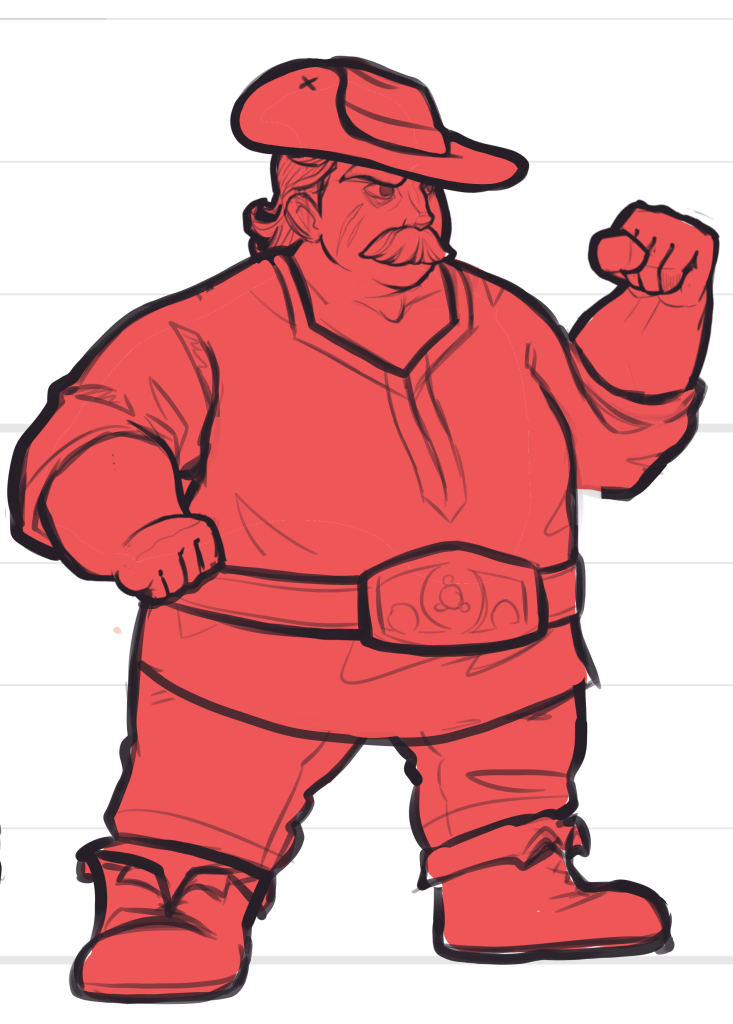
Armadic Cultural Standard
The Armadic naming cultures have waned greatly in the previous centuries, but in the shadow of the Common conventionsm they have stabilized most amongst traditional Willonian communities. Due to their extended absence from the continent, Armadic names have strayed the furthest from the group and maintain a distinctly unique character not present in other Varian names, including the existence of a few remnant letters from the proto-Vari language. One of the largest contributions the Armadic language and cultures brought with them is the frequency and grammar of the letter ‘J’, a letter that was a relic or loaning from other languages in the Common language until the reintegration of the Armadic language.
Shared Vari First Names
Common Native Cultures:
Familiar Non-Native Cultures:
Unlike most Armadic names, some of the Vari names remained similar enough to other names on the continent. While they are still quite different, they bear striking resemblance to revivified Dawin names. These names are particularly popular amongst Colonian communities, where having a unique—but uncomplicated—name is seen as a symbol of status.
Feminine Names
Abelina, Ædela, , Alejandra, Alvera, Bæthrix, Berte, Caerlora, Clairet, Danielle, Émilie, Gizella, Gladisse, Helaine, Jessika, Jorja, Maartina, Mariana, Orielle, Vasilia
Fluid Names
Ælflæd, Adrian, Aethel, Asser, Caerles, Émil
Masculine Names
Adalbert, Adriano, Ældhelm, Alejandro, Armant, Arnesto, Bartolome, Beoric, Danilo, Eduardo, Emile, Esteban, Heanric, Javier, Moriano, Raffaello, Uriel
Modern Armadic First Names
Common Native Cultures:
Familiar Non-Native Cultures:
(none)
These names may carry the modern moniker, but for the Armadic people these names are as old as their histories, they are just uniquely classified as they both are still entirely new names to the continent, and particularly had no similar names upon arrival. Moreover, these names have seemed to not garner interest in other cultures as they are too difficult to alter for other tongues, so they have remained exclusive to the Armadian people.
Feminine Names
Ældgifu, Ælswyth, Bregswæth, Ceridwen, Cyneswæth, Dwynwen, Eadgwynn, Fionnhal, Gwenhyfar, Gwenllian, Hywela, Jaquelyn, Josefina, Leoflæd, Leofwynn, Marwenna, Mildyth, Neansaí, Nyneve, Oswynn, Oxtreda, Prydwynn, Rhiannon, Siæn, Sioned, Siwan, Tegwynn, Wærburh, Wulfwyn, Wynflæd
Fluid Names
(coming soon)
Masculine Names
Ærinmund, Æthelbeorht, Æthelweald, Beagmund, Burgerd, Cenric, Ceolwulf, Cuthbeorht, Dædmund, Eadgar, Ecgbeht, Erkenwald, Fionn, Folcwine, Godwine, Hamish, Hrothgar, Ignacio, Leofric, Morydd, Offa, Pendrake, Rhodri, Sæwulf, Sihtric, Tegwyd, Uhtric, Wigstan, Wihtgar, Wulfhere
Armadic Family Names
Common Native Cultures:
Familiar Non-Native Cultures:
The uniqueness of Armadic family naming conventions has all but been completely dissolved as they have been adopted into the Common language practices, leaving them nearly indistinguishable from actual Common language family names. The true clues of an Armadic name are the remnant locational tags (O’, Cer’, Vak, nis, and others) that were not consolidated into the more commonly used ‘Fen’ grammatical consolidation. Similarly many of these names still have strong verbal connections to naval linguistics and terminologies ot the original port towns established by the first Armadians..
Family Names
Cer’Bradoch, Crovsdautr, Dockling, Fen Berntships, Marlensdautr, Masthold, nis-Aulde, O’Willow, Vak Harport, Vak Westport

Loval Cultural Standard
The Lovalians, despite their close hereditary and linguistic links with the Tok people, truly transformed their ancestral linguistics by adopting entirely the Varian alphabet and grammar, creating a strange fusion of Tok words and expressions formally tied together through Grimkin grammar. Where it sets itself apart however is that these names all have strong historical, scholastic, and artistic ties to the height of the Lovalian Kingdom, a time period now considered old history but an often much beloved history. Due to this there are the occasional accents, letter variants, and other such weirdness at first site that is left over from the earlier versions of the language This being so, Lovalian names have refused to adopt many of the refined and merged versions of modern Varian names, like the Varian people themselves, giving them the ancient wizened nature that many of the names contain.
Traditional Loval First Names
Common Native Cultures:
Familiar Non-Native Cultures:
These names are certainly the most contained of all Grimmish cultural names and are usually only taken by Grimkin who do not live in the Grimlands but cannot bring themselves to disconnect from their Grimmish heritage.
Feminine Names
Árnkatla, Aslaug, Ásny, Audhild, Bergthora, Brynhild, Dagny, Drifa, Eirunn, Estrid, Freydis, Greðe, Grima, Guðný, Halla, Inga, Lagertha, Natasja, Njordis, Olena, Revna, Runa, Sæunn, Svala, Thorunn, Tove, Ulfheid, Valka, Vigdis, Yrsa
Fluid Names
(coming soon)
Masculine Names
Birger, Dagfinn, Einar, Erlander, Eyjolf, Floki, Geirstein, Gunnlæif, Hakon, Hrafnvaðr, Ivar, Jannik, Jokul, Klifjord, Knut, Leif, Levi, Magnus, Mani, Niels, Ørvar, Oystæin, Sigvald, Snørri, Thjodofl, Toki, Ubbe, Valdemar, Vandil, Yngvar
Loval Family Names
Common Native Cultures:
Familiar Non-Native Cultures:
While first names are given by the parents, most Lovalians choose their second name later in life, usually around or after their rites of maturity; these names reflect personal accomplishment or powers and wisdom, though many Lovalians elect to take on their family name out of respect, or a lack of world experience. Before this time most Lovalians do just use either of their parents’ names and the -sson or -dotter prefix to indicate their lineage.
Family Names
Airborn, Bullnose, Cliffclimber, Darkcoat, Eirsson, Farsight, Goldvein, Hawkskin, Iceblood, Kroondotter, Manyleaves, Nighteye, Peacepeaks, Puresnow, Runasson, Starsworn, Surewind, Talloak, Vulfsdotter, Yellowbeard
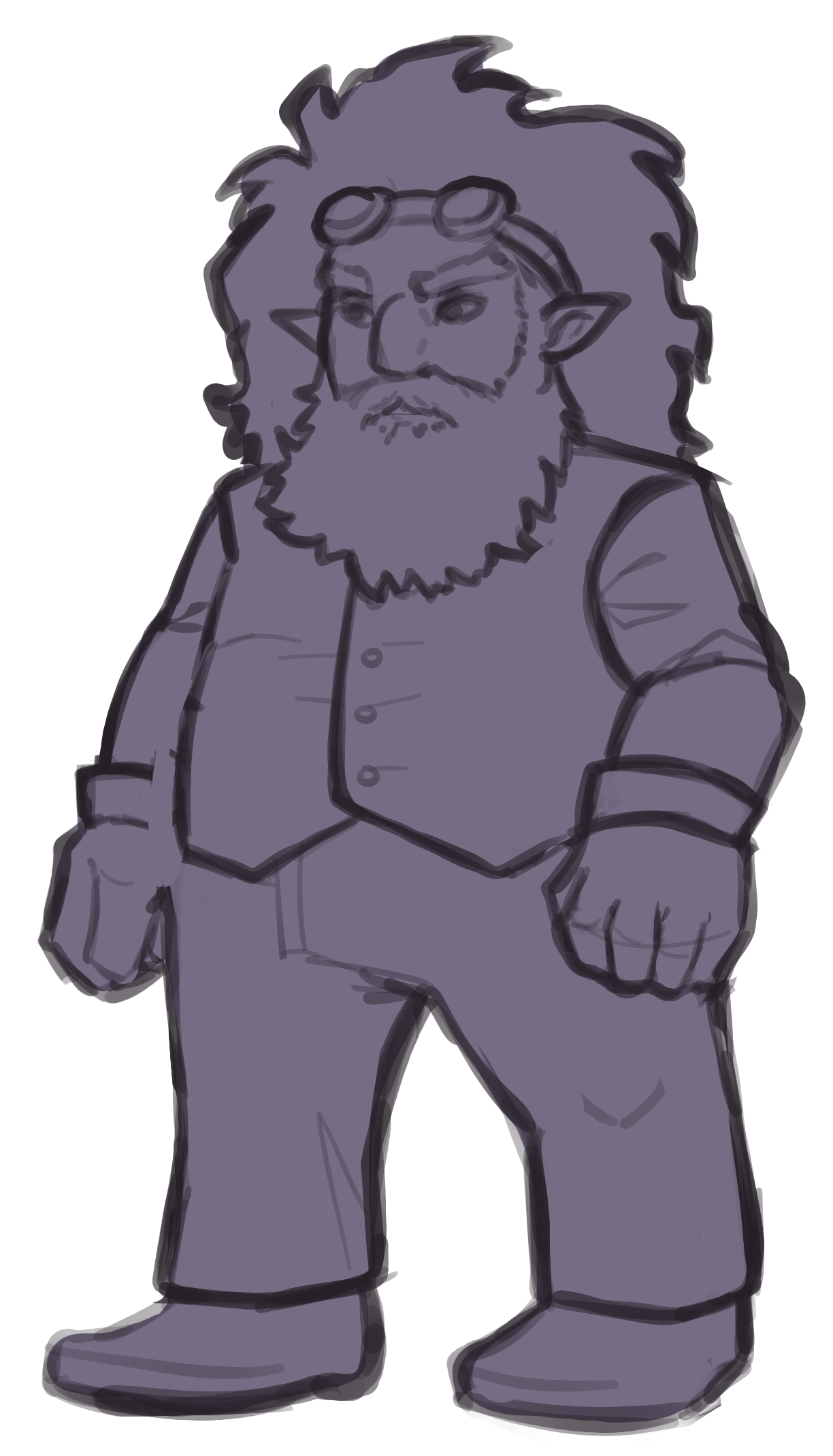
Dawin Cultural Standard
The Dawi are extremely traditionalist in their naming conventions and rarely stray from classic Dawi names, including all of the archaic letterings and pronunciations from a time pre formalized grammar. Due to this nature, the Dawi names also feel distinctly isolated and out of time from other Varian name—sometimes even disconnected further than Sylvan and Tok conventions. Despite this, as modern research suggests, the names are unmistakably Varian in origin and offer many clues to the truth of the Proto-Vari language. Interestingly, Dawi names have no male and female preference and Dawi of both sexes frequently share names. The heavy majority of opening letters lean towards the front end of the alphabet, with the letter ‘A’ starting over 25% of Dawi names.
Dawin Alphabet Additional Letters:
Æ/æ (āy)
Aï/aï (eye)
Ǝ/ə (ee)
Ƞ/ƞ (nj/ng)
ʃ (sh)
θ (th)
ʧ (tch)
ʦ (tz)
Traditional Dawin First Names
Common Native Cultures:
Familiar Non-Native Cultures:
Fluid Names
Ædhem, Æʦvan, Æθel, Adouard, Ahmaƞ, Aïndræ, Alaïrc, Alawar, Alxander, Anasaʃia, Asteriʦ, Aʃur, Athwr, Bæʧrix, Barθolmaïs, Basilos, Benθr, Berhnadʧ, Bəork, Binyamin, Boudwiƞ, Bræhan, Brumdiƞ, Caïras, Clarenʦ, Erneʦ, Ǝmil, Gislber, Gwladys, Haadron, Harale, Hlodoweg, Marjins, Ƞaalda, Pæʧos, Tydahr, Valeʃka, Xaavər, Xhesika, Zaphanel
Dawin Family Names
Common Native Cultures:
Familiar Non-Native Cultures:
Dawin family names seem to have little unifying structure and are often indistinguishable from Dawin first names to non-speakers. They maintain their archaic spellings but do not show as much concentration on the front end of the alphabet.
Family Names
Ædrik, Buhak, Bumnaïreθ, Ǝberk, Galdan, Glafdær, Glimlə, Hargriʦ, Jrunn, Krak, Lolbrirk, Mobrurr, Morgriθ, Ƞoriƞ, Pkæl, Raʃni, Stokiʧ, Trumnər, Yurim, Zanar
Sylvan Language Family
Sylvan people do not treat their names in the same heightened reverence that the Varian people do. Instead they see their name as just another aspect used to express themselves at the moment, like their hair or clothing. Due to this, the Sylvan language’s close proximity and relationship with the Hinfolk people has left an indelible mark of their naming cultures. Many of them borrow Common words and phrases for their names.
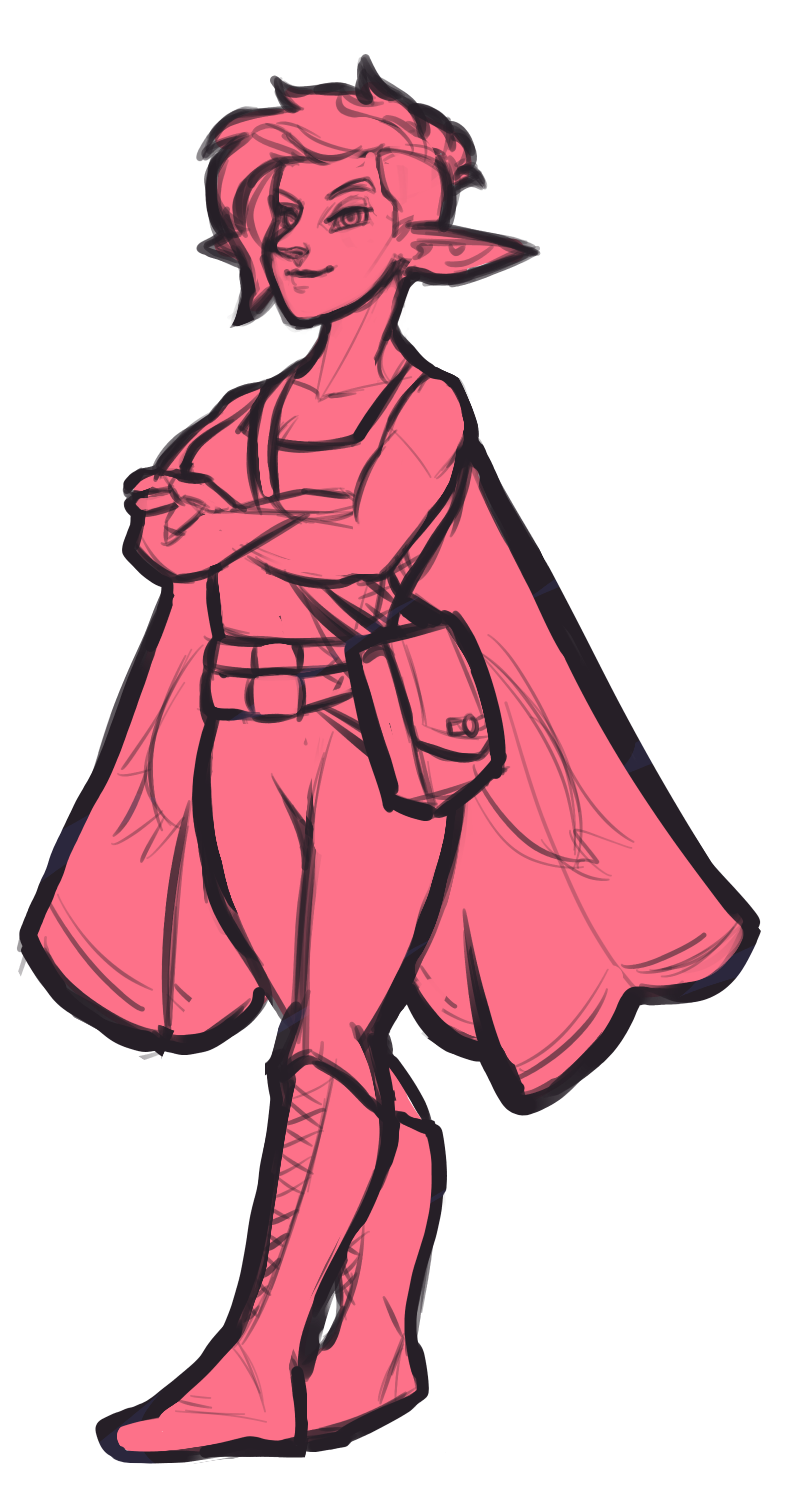
Aero Cultural Standard
The Faekin look to express their uniqueness in all aspects of life, especially when it comes to their names. Many regularly change their names as life progresses and they become different people; but as with most Sylvan people, second names are incredibly infrequent, as few Faekin want to tie their existence to anyone but themselves. While most traditinal Glen Faekin speak the ancient AeroSylvan dialect, they rarely use these names as an identifier, as the Aero names are often akin to a series of ambient natural sounds, elemental imitations, smells, feelings, and creature calls. These ancient names are instead translated into words that fit as closely within the official written Sylvan language so that they can be communicated with others more clearly. Because this has become the norm, most AeroSylvan speakers prefer to use their simplified, Common namesake in social interactions.
Traditional Aero Namesakes
Common Native Cultures:
Familiar Non-Native Cultures:
Feminine Names
Blossom [Hinnish], Chrysanthe, Cocoa [Tok], Destiny [Hinnish], Essence [Hinnish], Fernleaf, Gazelle [Canzi], Honeysuckle [Grimmish], Kismet [Grimmish], Lavender [Canzi], Meadowlark, Orchid [Grimmish], Periwinkle [Bodren], Rainbow, Willowisp
Fluid Names
Apple [Hinnish], Aqua [Bodren], Aurora [Loval], Coral [Tok], Cupcake, Dream [Hinnish], Flavor, Fresh [Hinnish], Genesis [Hinnish], Jinx [Grimmish], Kaleidoscope, Lyric [Canzi], Olive [Canzi], Stardust, Zyphyr
Masculine Names
Atlas, Bear [Loval], Boar [Tok], Cosmo [Hin], Frosty, Glimmermoon [Hinnish], Gossamer, Herbs [Hinnish], Nectar [Hinnish], Nibble, Oregano [Canzi], Puddlejump, Quicksilver [Grimmish], Shade [Hinnish], Tidal [Bodren]
Sylki Family Names
Common Native Cultures:
Familiar Non-Native Cultures:
(none)
The Faekin who are known to take last names are typically ones who wish to incorporate themselves into another group’s customs. The primary Faekin culture that has a distinguishable second-name culture is the Sylki who have adopted the Grimmish Family name conventions, often choosing alliterative and rhyming names. While these conventions have been adopted, it is also very common that a Sylki join an existing Grimkin family, business, or endeavor, and adopt their family name for a portion of their life.
Family Names
Bellyburst, Cracklecoal, Echoear, Flamefame, Flutterhush, Gildedwing, Grimwing, Silverskin, Rubyvein, Zazzmattazz
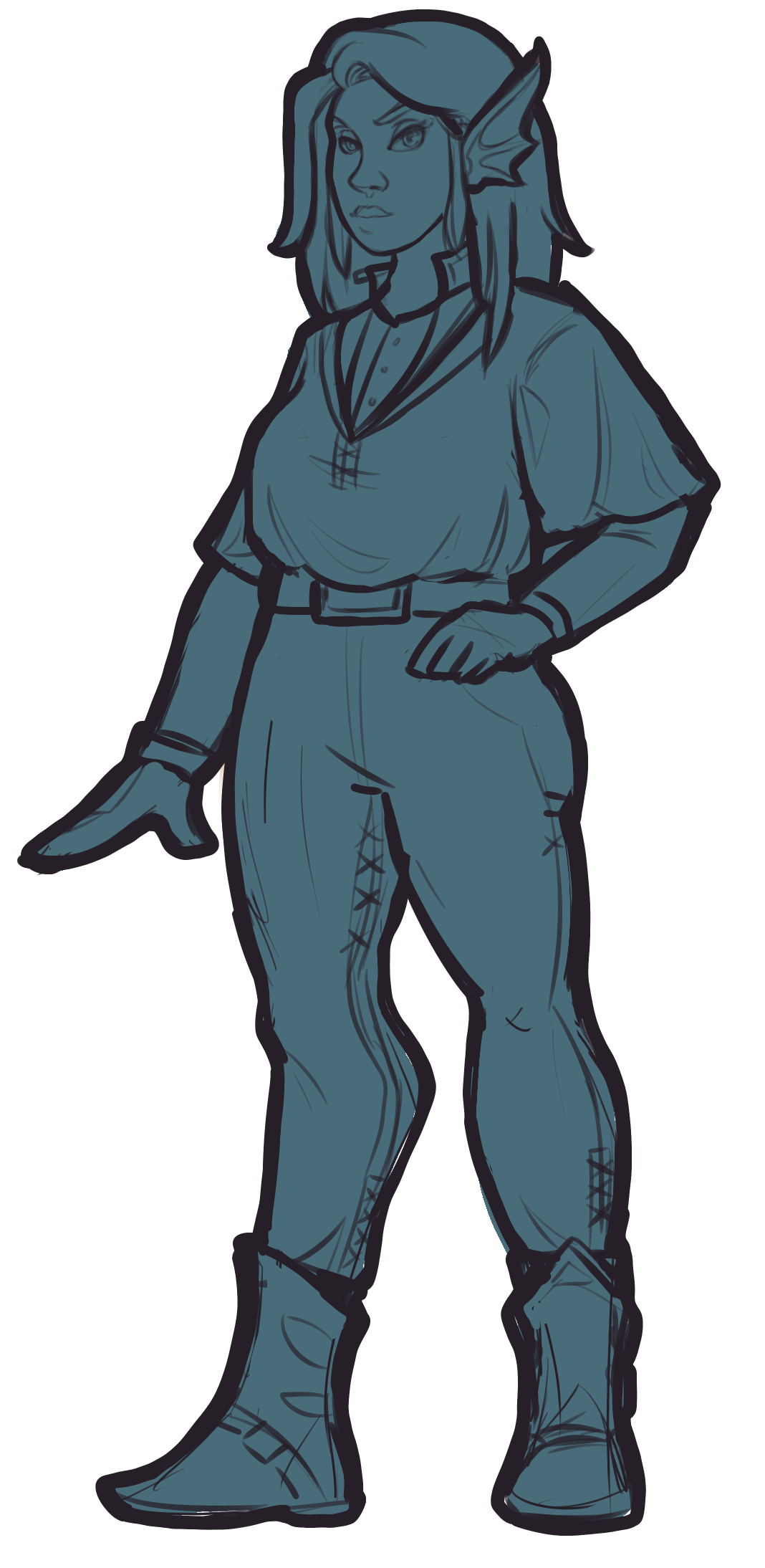
Mer Cultural Standard
The natives of the wetlands maintain their own unique dialect, MerSylvan, and its naturalistic influence in their naming culture, but there are some notable differences to the way AeroSylvan people translate concepts into simpler namesakes. Mer names take historic, ancient Sylvan names and push them to the artistic limit. It can be very difficult for an outside observer to decipher the linguistic variances amongst the Sylvan dialects. Mer names are often the most encountered by outsiders, so many non-Sylvan speakers assume that all Sylvan names are as lengthy and comp[licated as the Mer-inspired names traditional to the Bodren native cultures.
Traditional MerSylvan First Names
Common Native Cultures:
Familiar Non-Native Cultures:
Feminine Names
Ayleana, Baudyca, Besykin, Caenia, Delphinia, Elaria, Enstrianna, Felovara, Galane, Hessanye, Ilyndra, Iphelda, Kaiamar, Melisara, Nalcnden, Nereida, Quelinda, Thalassa, Undine, Vallieya
Fluid Names
Auvan, Bithaea, Ilarr, Lorrne, Peryn
Masculine Names
Amakyre, Artmaillin, Beiivol, Delmarin, Drudania, Elintiersanon, Eremeral, Finloch, Herili, Hondilroon, Kelparis, Korarnimarco, Meryedil, Nyrlhasa, Quaivol, Riardaan, Sinyoril, Uulrnil, Xanderus, Yiridon
MerSylvan Namesakes
While many namesakes are shared amongst the Sylvan people, Mer namesakes are typically more directly aligned with nature – especially aquatic. Most Bodren people of the greater world do not seem as pulled to these types of names as their Sylvan sistren. Since historical names still hold the strong majority for Bodren, namesakes like the following are most commonly used by isolated bodren of smaller, more naturalistic communities.
Common Native Cultures:
Familiar Non-Native Cultures:
Feminine Names
Aqualinde, Oceana, Periwinkle, Raineleth, Waverly
Fluid Names
Dewdrop, Gladewind, Riptide, Coral, Aurora
Masculine Names
Aquadon, Nautis, Hydrus, Oceus, Hydrus
MerSylvan Family Names
Common Native Cultures:
Familiar Non-Native Cultures:
The Bodren people are the most likely to adopt second names as they have become more intertwined with the wider world. Unlike others, however, the second name does not serve the same familial identifier. Most Sylvan people live so long that the concept of family is less a concept tied to blood lineage, and more closely to their chosen relations. These family names are increasingly being taken from the Common language Namesakes, seemingly to ensure that most peoples are capable of understanding their second name, despite their typical MerSylvan first names.
Family Names
Aelsonthaer, A’Sidre, Caermori, Chopchaser, Coolcreak, Coralcrown, Deepdive, Foxglove, Gaethlock, Greatgill, Laemthaer, Riverrose, Salingfhaer, Snapdragon, Stormihle, Tidewalker, Trailblazer, Vyvethia, Wakewatcher, Wysavaris

Verdi Cultural Standard
The people of the Nettle Forest, in their relative isolation from the growing Common world, are the only Sylvan people to have seen no outside influence on their naming cultures. Because of this, the native VerdiSylvan speakers are noticeably distinct with their names’ sounds and composition. While clearly Sylvan in origin, the Verdi names stray quite far from their original Sylvan composition. Strangely, the Verdi speakers did not retain the ancient Sylvan tradition of using abstract concepts and feeling as names; rather, the Verdi names relish in being unique to each individual, attempting to creatively mix Sylvan sounds (and occasionally Common, or even Tok) to compose an vocal identification that might not be easily replicated by outsiders.
Traditional Verdi First Names
Common Native Cultures:
Familiar Non-Native Cultures:
Feminine Names
Arlessyn, Cuundael, Dresynve, Estraedreh, Faeliinyth, Fynnyshan, Galbthilith, Hyraseth, Ihhyddas, Laurelindra, Milbrenthyl, Nisserae, Parwlin, Qaphylnie, Quenya, Rythel, Sythastriel, Thalindra, Virelith, Xyndara
Fluid Names
Ashwyrn, Asrith, Bithaea , Bysyr, Caarloryn, Degan, Hyssa, Itzel, Kirsdiir, Virendal
Masculine Names
Alviozlon, Athrnnir, Caelithor, Celmirn, Dozcirno, Endrdinor, Faerendir, Haelindor, Imveliss, Ithynvaar, Kaelendil, Larethor, Naelendir, Ornargios, Paelandor, Quaelithor, Scylarlios, Thranduil, Urthiel, Waelithor
Verdi Family Names
Common Native Cultures:
Familiar Non-Native Cultures:
While second names are a rare sight for Forest natives, due to the growing population of Fangren joining the Common world, last names have become a necessity for integration. Similar to the Mer namie conventions, the Verdi names frequently use a simple nature-based Common Namesake, but they have been less linguistically-adventurous with these names than the Mer names.
Family Names
Barkwind, Dusrock, Elmgrove, Fernshade, Forestthorn, Forestvale, Greenstone, Lichengrove, Lumberrun, Mosswood, Oakendale, Pineblossom, Pinewing, Roserock, Sagethorn, Seeddale, Shadydale, Shadypool, Softbranch, Timbersky
Tok Language Family
Tok names, while not entirely strange and foreign to Common speakers, certainly have a distinct quality about them that set them apart from most other names on the continent. This effect is partially due to the oral traditions of the languages, and partially due to their proud insistence on staying true to their unique roots. Moreover, the Tok language groups view kinship very differently as the concept of the Clan replaces the family. These Clans often share blood ties and can compose of large dynasties tracing back to the same ancient ancestor, but kinship within the Clan is something that can also be earned, and more importantly, something that can be taken away.
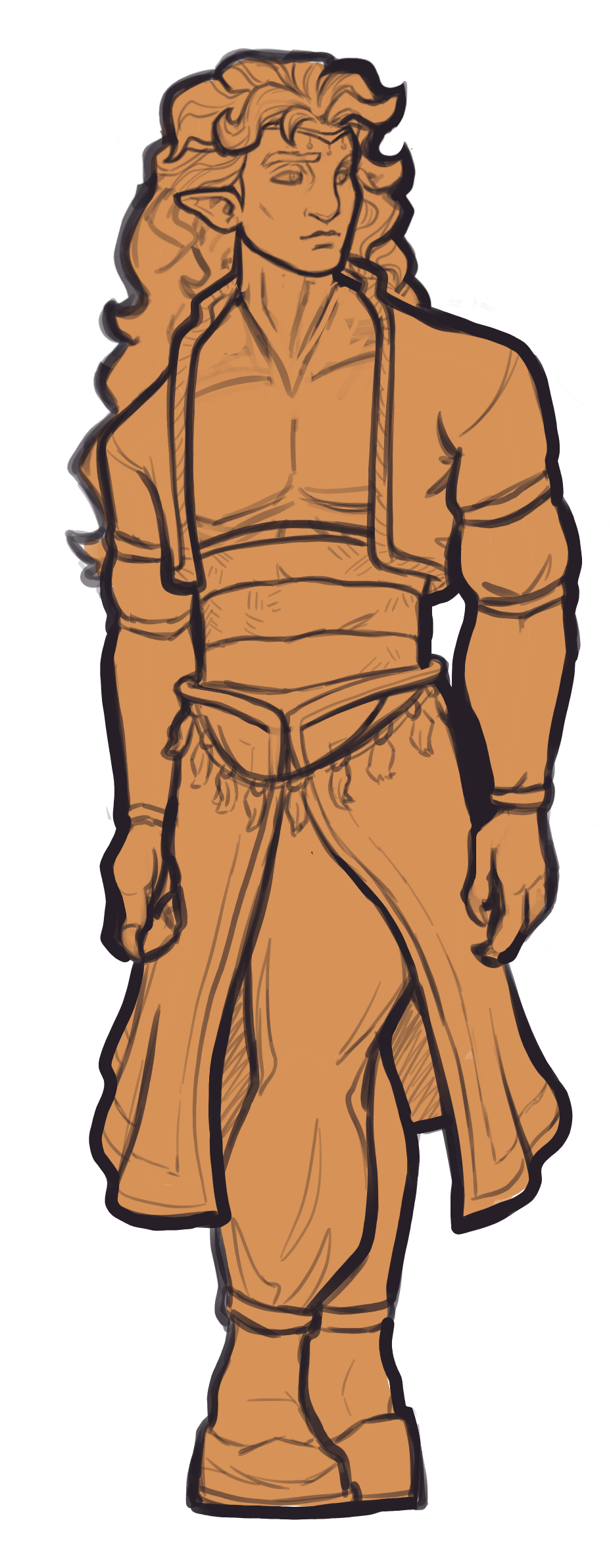
Cantok Cultural Standard
Cantok names are bright and sharp, evoking the natural power of the people. They call back the names of some of the greatest leaders, heroes, poet, sages, and storytellers; due to this the names often carry a lot of history and power, power that can be drawn upon through the history of that name. While heavily influenced by the ancient Tok language, Cantok names have incorporated more of the sounds from other languages, creating names that stand apart from both traditional Tok and modern Common.
Traditional Cantok First Names
Common Native Cultures:
Familiar Non-Native Cultures:
Feminine Names
Amara, Amezya, Asil, Bahda, Bbiya, Calomne, Chidinma, Dalia, Duna, Ishtar, Fahima, Hennu, Ige, Itamne, Kalila, Kanuri, Kirrage, Leena, Lilleo, Masisylia, Mririda, Nala, Pema, Ranga, Sadme, Tafna, Tasdadt, Xedda, Yarra, Zogele
Fluid Names
Afra, Agadir, Aylal, Chita, Ūndanzar
Masculine Names
Agwmar, Ajedig, Amiz, Ayyur, Bahir, Barras, Chadir, Crixus, Dassi, Driguz, Faraji, Fekkan, Hakim, Ike, Imidwel, Kadir, Kasila, Malik, Massil, Nemas, Ozo, Pasha, Qadir, Rigos, Sekkur, Takfarinas, Tomez, Xaktis, Yuba, Ziri
Cantok Clan Names
Common Native Cultures:
Familiar Non-Native Cultures:
Clan names are of great importance, but also not permanent. If someone of Canzian culture were to spend a significant amount of time and effort amongst another Clan, they may go through a rite and accept their new clan’s name. Interestingly these Clans typically keep two names: the historical Cantok name and a close Common translation. (The examples below are not linked to each other directly. The “translastion” of a Cantok Clan Name is determined by the player and DM.)
Cantok Clan Names
Acheambola, Adebayisi, Ahdegoku, Agwuembo, Amaechiti, Ameziana, Bambabaku, Chukwyunalu, Eusuala, Foloronosho, Gidigwe, Jelelani, Keitatta, Mwabajuma, Ndiayema, Nnadami, Nwobame, Okoyesana, Temitopali, Zivizai
Clan Name Common Translations
Autumneye, Boldcaller, Bronzemane, Cindercoat, Dawnmask, Flametail, Lavacliff, Longtooth, Moonbreath, Plainward, Proudwind, Redroar, Smoothhorn, Spiritclaw, Stalksilent, Stormdrifter, Sunstride, Tigerfang, Wildsong, Wiseguides

Traditional Tok Cultural Standard
Traditional Tok names are comprised of the two Traditional Tok dialects: Kartok and Tentok. They are strong, sharp, and undoubtedly from the Old World; moreover, their naming system is so old in origin that it shows little to no influence from surrounding cultures. The Traditional Tok langauage does not include the sounds for F, L, P, Q, V, or X, so these vocalizations only ever appear in a transliteration name, (which would be a strong statement for a Tok speaker to make, but it’s not one excluded by any rules).
Traditional Tok Sounds
Traditional Tok speakers will often maintain two discrete names: one to be used only amongst their Clan, and the other a name for public use. These names are composed of sounds that are spoken. If an outsider were to write them down, they would be small groups of 2-3 letters with unique emphasis patterns, most with a perceived gender association. Below are examples of some of these sound groups.
Feminine Sounds
ama, ami, ani, ara, ari, asa, asi, asu, aya, ebi, eda, edi, eji, ema, emi, esi, ibi, ika, iki, imi, iru, isa, iwa, iza, izi, oka, oki, omi, oni, ori, osa, osi, bae, bha, cha, chi, ha, ho, kae, ko, mai, me, mi, mo, na, nke, nga, rha, sa, tsu, tu, wga
Fluid Sounds
ae, ah, ay, ūn, ūng, ya, yi, da, dai, de, ga, gi, gu, hi, hyu, ji, ka, ki, ku, ma, ra, ri, rho, shi, su, ti
Masculine Sounds
ab, ag, ak, at, az, eik, eon, i, io, o, og, ok, on, ot, ū, ūb, ūd, ūj, ūk, ūr, ūz, ye, yo, yu, ba, bi, bo, bu, chu, do, dro, ge, go, ju, kai, ke, mbu, mu, nji, ni, no, ro, ru, shu, so, ta, to, wo, wu, ze, zgi, zi, zu
Traditional Tok True Names
Common Native Cultures:
Familiar Non-Native Cultures:
The people of Torgalia are a very superstitious people. One of their greatest superstitions is their practice to protect against ‘True Name’ magic, which relies on truly knowing someone for the magic to work. This True Name, given at birth by the parents, is guarded heavily, and only shared with the most trusted people in that person’s life. This practice is universal amongst the Traditional Tok cultures, even despite the size and connectivity of the modern world. These names follow a basic sound structure above, with an emphasis on the first of the two syllables.
Feminine Names
Aecha, Aerha, Amaya, Ariya, Bhaūng, Chika, Emiko, Isamu, Iziki, Kaede, Kina, Maichi, Mina, Nari, Naya, Okahyu, Omiki, Sanke, Tsuki, Turi
Fluid Names
Ahri, Ayji, Daiki, Daima , Denke, Deok, Gaka, Himeji, Hiro, Hyūnji, Jizu , Kanga, Kiria, Maki, Oko, Raguri, Rhowga, Rhozu, Shinga, Yako
Masculine Names
Abzi, Agūj, Atji, Busa, Droga, Eikoni, Eonsu, Gokugi, Iljūn, Irho, Nori, Okhyu, Roku, Soga, Sori, Taro, Ūdak, Uzgi, Wuro
Traditional Tok Titles
Common Native Cultures:
Familiar Non-Native Cultures:
Some Torgali regularly need to interact with the greater world, be it through trade, scholastics, leadership, or artistry; and when they do, they announce their name to the world. Most Torgali know better than to do such a foolish thing, and if they do need a public name they take a Title, one they can proudly announce to the world, and one they can pick themselves at the appropriate time to best display themselves to the world. These names similarly have rules about composition and structure, usually limitedto 3 or 4 of the Traditional Tok sounds, but they typically allow for more freedom of expression than a concise True Name.
Feminine Names
Baekiūn, Chahyūn, Charamai, Emabae, Himiko, Hinata, Hyūnkae, Kamiko, Kiyami, Michiko, Mikaeya, Natsuki, Saedamichi, Tsukami, Yatumi
Fluid Names
Daioko, Daisuki, Guramashi, Hyungsube, Kaeyoji, Kimbugi, Rhosuga, Shinkeji, Sukaiya, Yamiro
Masculine Names
Batsuro, Chuzgi, Daishiro, Garumati , Hyūngzi, Jugoki, Kakamushi, Kobiro, Masunori, Rhorumashi, Shikimatsu, Sonjihyu, Takayoshi, Takeshi, Zenjiro
Mau’Kali Cultural Names
Common Native Cultures:
Familiar Non-Native Cultures:
The Mau’kali have developed a slightly unique naming culture to themselves that softens the sometimes harsher Tok names, even omitting some of the consonant sounds typical of Traditional Tok. Most notably, the Mau’kali have integrated the letter ‘L’ as an addition to their the Traditional Tok sounds.
Feminine Names
Ahina, Alisana, Anikone, Awahi, Awaru, Inile, Kalula, Lailani, Lana, Mahala, Maliwi, Mawima, Mikala, Mowana, Wala
Fluid Names
Lalu, Mawe, Tariki, Ūnda, Wali
Masculine Names
Akali, Aleki, Ekiwaki, Kalani, Kale, Kameha, Ketuli, Kewanu, Lawaki, Lisate, Lowani, Manawi, Ulani, Uwila, Walu
Traditional Tok Clan Names
Common Native Cultures:
Familiar Non-Native Cultures:
Traditional Tok Clan names are something that a person earns; however, different from other Clan cultures of the Tok people, only death can realease a Traditional Tok one from their commitment to their Clan. If one does live in disgrace, they are culturally forbidden from hiding from dishonor. Instead they are encouraged to to attempt redemption for their Clan.
Clan Names
Barubatsu, Chidori, Ghok, Harumi, Jinkazu, Namuri, Shionko, Tobiko, Yoriha, Zekan
Traditional Tok Epithets
Common Native Cultures:
Familiar Non-Native Cultures:
Due to the pressure of Clan honor and disgrace, some people in Torgalia never choose to take a true Clan name and simply live within a Clan without taking their Clan name. Most commonly, such a person would instead take an Epithet. The practice of taking an Epithet has become very popular amongst Stonefoot Torgali who desire to remain tied to their heritage, as Epithets make for excellent names in the Common-speaking world.
Epithets
Ashenblade, the Berserk, Bloodstorm, Branch Bender, Butcher Breath, Clawrender, Crimsonheart, Darkhowl, the Devourer, Drakeslayer, the Elder, Emberfury, Finger Fracture, the Grim, Ironhide, the Joker, Jungleborn, the Miscreant, Moonshadow, Nightprowler, Onyxgaze, the Outlander, Ravenshadow, Riverwise, Scalebreaker, the Shady, Shadowfang, Snakesbane, Stormbringer, Sunstriker, the Swift, Tenwide, Thunderjaw, Venomtongue, the Wardog, the Wild, Windrider, the Younger
 The Beanut Lands